Starring: David Harbour (Stranger Things), Milla Jovovich (Resident Evil), Ian McShane (Pirates of the Caribbean: On Stranger Tides), Sasha Lane (American Honey), Daniel Dae Kim (Lost)
Director: Neil Marshall (The Descent)
Writer: Andrew Cosby (A Town Called Eureka)
Runtime: 2 hours 1 minute
Release Date: 11 April (UK), 12 April (US)
The original Hellboy movies from Guillermo del Toro are still a rare beast amongst the glut of comic book movies even a decade later. They were macabre and fiendish, steeped in its demonic inspirations but still oozing with humour and heart. They may not be perfect movies, but they were distinctive and many a filmgoers’ introduction to that world. Fans have been clamouring for years for del Toro to make his long-promised third entry in the series, but poor box office and the director’s hectic schedule eventually led to those plans going nowhere.
Instead, we get what was always inevitable: a reboot. Whilst doubtlessly not the preference of most fans, the project had a lot of promise at the outset. Neill Marshall is a talented director who has yet to given such a big shot at a franchise, David Harbour was an inspired choice to take the title role, and creator Mike Mignola was heavily involved in the film’s development. Unfortunately, all of those pieces didn’t result in much of anything, and instead this new Hellboy ends up ranking amongst the worst comic book movies of the 2010s.
The movie faces much the same problem that The Amazing Spider-Man films faced: everything it does well was done before and done better in the originals, and everything new it brings to the table is just a bad idea. It’s most distinctive change from its forbearers is its shift in tone, taking a more lackadaisical, Deadpool-inspired approach, stuffing the film full of constant one-liners and abandoning much of the pathos and subtext del Toro brought to the material. Every other line of dialogue is some kind of snarky jibe, laced with a post-modern bitterness the filmmakers have mistaken for wit, and all the others are just exposition; it becomes a grading experience before even the prologue is over.
The plot is an extremely basic save-the-world yarn on paper, but the film has so clearly been hacked to pieces in post-production that it rarely flows with any coherence. There are entire sequences that could have been cut or simplified, whilst key character motivation and plot details feel curiously absent, leaving an experience that feels like a hollowed-out version of a much better movie that maybe existed at some point in development. Based on its conclusion, it’s clear the studio want to make a new franchise out of this, but they’ve unfortunately failed to make a compelling film first. Instead, they’ve tried to make up for it by cramming the film with foreshadowing and references to the comics and future stories; after Amazing Spider-Man fell apart at part two and the implosion of Universal’s Dark Universe before it even started, how many more prospective franchises have to make this same mistake?
Whilst it is incredibly hard to redefine Hellboy after Ron Perlman’s performance was so iconic, David Harbour does do a decent job of making the character his own. Unfortunately, the material he has to work with doesn’t make that easy. Hellboy is often a bitter and cynical character, but that was also balanced out by the tragedy of his very existence and his sense of humour in the face of it. This Hellboy forgets to effectively implement that caveat, and as a result Harbour’s character comes off as whiny, mean-spirited and unsympathetic; he is Hellboy through the lens of a teenage edgelord. With that said, he’s still somehow the best character in the movie.
This time around, our horned hero is up against Nimue the Blood Queen, and though Milla Jovovich is clearly having a ball chewing up the scenery playing her, there is little depth to her other than being the big bad final boss. Much like Harbour, Ian McShane is a solid successor to John Hurt as Professor Broom, but again the characterisation on the page lacks any semblance of compassion and he just becomes another inconsiderate gag-cracker. Sasha Lane’s role as Alice feels incredibly underdeveloped and serves little purpose other than to be plot-convenient in the same way on two separate occasions, whilst Daniel Dae Kim’s performance as Ben Daimio is practically crippled by his inability to maintain a consistent British accent.
From a design perspective, Hellboy actually shows some potential. It certainly borrows a few ideas from del Toro, but its R rating allows it to go darker and bloodier in its aesthetics, and a lot of the creature work is impressive whether executed practically or with CGI. Unfortunately, the film’s cinematography and editing make seeing any of this a particularly difficult task. Some sequences look great and flow well, particularly a one-shot action sequence towards the film’s end. However, that scene feels like it practically comes out of nowhere, because every bit of action before then is shot competently but blandly, and has then cut to shreds by the editor. Of the film’s many reported production difficulties, two of them were a sudden change in cinematographer, and the producers locking Marshall out of the editing room. It shows. The film’s score by Benjamin Wallfisch is bland and mostly fades into the background (which is a shame, considering he just delivered a fantastic superhero score with Shazam!), whilst the film makes appropriate soundtrack choices but crams in so much of it without meaningful context; Guardians of the Galaxy this ain’t.
Hellboy wants to be Deadpool, but in execution it’s much closer to Suicide Squad. It’s cynical and unfocused, and clearly thrown together from a production amidst chaos. Comparing this movie to del Toro’s duology feels unfair sometimes considering they have different ambitions, but the previous films actually delivered on their intentions whilst this one fails to even competently execute its own inferior ideas. In an already crowded superhero market, this new take on the Dark Horse character feels unnecessary and woefully behind the times, and is unlikely to find an audience that will secure the franchise aspirations it clearly has. Now can we forget this happened and just let del Toro make his Hellboy III already?
Starring: Hugh Jackman (The Greatest Showman), Zoe Saldana (Avatar), Zach Galifianakis (The Hangover), Emma Thompson (Saving Mr. Banks), Stephen Fry (Sherlock Holmes: A Game of Shadows), Timothy Olyphant (Deadwood)
Writer/Director: Chris Butler (ParaNorman)
Runtime: 1 hour 35 minutes
Release Date: 5th April (UK), 12th April (US)
Even after producing wonderful film after wonderful film, Laika still can’t seem to catch on with mainstream audiences. One of the few studios keeping stop-motion features alive, the quirky style and thematic depth of their films easily make them the most distinctive animation studio in the west. Whilst Missing Link does sometimes feel like an attempt to court a more traditional audience, shying away from the darkness of their previous efforts for more of a light-hearted tone, it still retains the spirit and attention to detail all Laika productions have in spades.
A throwback to the globetrotting adventure stories of the early 20th century, Missing Link evokes a kind of classic family film we rarely enjoy these days. The plot is relatively simple and its themes of friendship and finding meaning in life are well worn, but they are executed with such proficiency and wit that they feel fresh again. The film has a wicked sense of humour comparable to Laika’s underrated The Boxtrolls, capturing the essence of British comedy so well that I wouldn’t fault anyone for mistaking it for an Aardman production.
A lot of the film’s heart lies in its fantastic voice cast, led ably by Hugh Jackman’s Sir Lionel Frost. He is a wonderfully realised character that puts an engaging spin on the self-important British explorer cliché, and Jackman captures English idioms and cadence like a true-born Brit. Zach Galifianakis is endearing and hilarious as the titular Mister Link, best described as a more wholesome answer to Drax from Guardians of the Galaxy, and his comedic chemistry with Jackman is up there with the best mismatched animated duos. Zoe Saldana is feisty and kick-ass as Frost’s reluctant associate Adelina, whilst Stephen Fry and Timothy Olyphant as the film’s villains are delightful in their own respective ways.
Ultimately though, Laika’s gorgeous animation is the real showstopper, pushing the limits of the form in constantly jaw dropping ways. Without it, Missing Link would still be a solid adventure for the whole family, but the loving artistry of the production is what makes it this a joy for anyone who loves the craft of animation.
FINAL VERDICT: 8/10
PET SEMATARY
Starring: Jason Clarke (Zero Dark Thirty), Amy Seimetz (Upstream Colour), John Lithgow (Interstellar), Jeté Lawrence (The Snowman)
Directors: Kevin Kölsch & Dennis Widmyer (Starry Eyes)
Writer: Jeff Buhler (The Midnight Meat Train)
Runtime: 1 hour 41 minutes
Release Date: 4th April (UK), 5th April (US)
The astounding success of 2017’s It has ushered in something of a renaissance for Stephen King adaptations, both in terms of remaking classics and new stories not previously brought to the screen. Pet Sematary (yes, the misspelling is intentional) is the first of several King films out this year alone, and comparisons are bound to be abundant to both the original novel and the previous 1989 film adaptation. Having experienced neither, I can only judge this Pet Sematary as a film on its own terms, and from my particular perspective I think it is…OK.
The basic premise of Pet Sematary should be reasonably familiar to even those with little horror knowledge, and it uses those concepts in an effective if not particularly original way. The story builds strong tension and a looming atmosphere as it ponders its themes of death and grief, but its culmination feels underdeveloped. Despite the strong set-up, the film’s third act blows by with little fanfare and fails to pay off what it’s been building up, ending on a suitably twisted note but one that never gets a chance to sink in before the credits roll.
What saves Pet Sematary from mediocrity are the strong performances from its cast, who mine the rudimentary plot and characters for all they’re worth. Jason Clarke handles the degrading mental state of father Louis with aplomb, making a character turn that feels a little sudden on paper feel cohesive. Amy Seimetz is fantastic as Rachel, especially when grappling the horrors of her past, whilst John Lithgow manages to bring both a lightness and foreboding eeriness to his role as neighbour Jud; he really is one of the most underrated veteran actors still working. The film’s real MVP is Jeté Lawrence as daughter Ellie, giving a horror story trope a fresh perspective that I wish got more time to flourish.
In conclusion, Pet Sematary doesn’t do a whole lot to stand out from the deluge of studio horror films coming out these days, but it’s at least effective with what it has. It’s ideal for a late-night Netflix horror binge, but on its own it lacks punch.
Director: Tom Harper (The Woman in Black 2: Angel of Death)
Writer: Nicole Taylor (The C Word)
Runtime: 1 hour 40 minutes
Release Date: 12th April (UK), 14th June (US)
With the success of films like Bohemian Rhapsody and A Star is Born and the imminent release of Rocketman, it seems like films about musicians are all the rage right now. However, much like its rebellious main character, Wild Rose is an unconventional take on the rising star story that speaks truer to the heart of what it means to be an artist than those glitzy Hollywood biopics, and an early contender for the British sleeper hit of the year.
We’ve all seen tales of struggling musicians striving for stardom, but Wild Rose takes a more grounded and honest approach to the concept, and heightens the stakes by putting its protagonist as far from her goals as possible. You can’t say you’ve ever seen a film about a Glaswegian ex-con single mother struggling to become a country singer, and for my money I don’t think we’re going to see a better example of this story than this (if ever). It’s a simple but crowd-pleasing tale that should warm the heart of any audience, but particularly those who’ve dreamed big and know the conflict of balancing your life with your passion firsthand.
The material may be strong on the page, but Wild Rose would be nothing without its breakout star Jessie Buckley. She brings a spark of energy to an archetype often portrayed with a patronising sense of sympathy, never taking advantage of her social class or intelligence and allowing her to be a fully-rounded and genuine character. Buckley’s performance is simultaneously hilarious and tragic, and her on-screen chemistry with Julie Walters as her cynical mother (who is as great as you’d expect) makes her seem like a seasoned pro. It’d honestly be an absolute crime if this film doesn’t launch her to greater heights, because her work here proves she absolutely deserves it.
Wild Rose is the best film of its kind since Billy Elliot, and a prime example of what British cinema can be when it stops being so self-important. As much as I love Hollywood spectacle and high-concept fantasies, this is exactly the type of film we need more of in our often-lopsided media diet. In other words: I loved it!
Starring: Colin Farrell (Saving Mr. Banks), Michael Keaton (Spotlight), Danny DeVito (Matilda), Eva Green (Casino Royale), Alan Arkin (Little Miss Sunshine), Nico Parker, Finley Hobbins
Director: Tim Burton (Edward Scissorhands)
Writer: Ehren Kruger (Transformers: Age of Extinction)
Runtime: 1 hour 52 minutes
Release Date: 29 March (US, UK)
Of the many reasons Disney’s recent slew of live-action remakes can be tiresome is that they’re mostly doing slight updates on recent classics rather than radical new ideas based on older properties. The Jungle Book is still the prime example for the studio of getting that balance right, remaining faithful to the original whilst using the material to say something new. Heck, as much as I personally detest Maleficent, at least it tried to do something different. So in concept, Dumbo serves as an ideal opportunity for the studio to reinvigorate an animated classic with a modern sense of wonder, and in the hands of Tim Burton you’d expect the final result to at least be distinctive if nothing else. Unfortunately, Dumbo is yet another example of a lazy, unnecessary retread of tired ideas.
Effectively functioning as a remake and a sequel crammed into one movie, Dumbo never quite decides if it wants to be a faithful adaptation of the original or a subversive new take on the concept. It begins as an earnest if unremarkable recreation of the 1941 original, but once it reaches the climax of the first film the film essentially stops and resets itself into an entirely new plotline. The film’s structure is highly episodic, with only the highly predictable character arc throughlines barely keeping the plot connected. Halfway through, the story suddenly decides it wants to be about a giant corporation merging the circus into their entertainment empire for vaguely nefarious purposes, before ending in yet another overdone action climax unnecessarily bolted onto a children’s story that doesn’t need one.
Whether you think a Disney movie doing a negative portrayal of a conglomerate buying up and homogenising original ideas for the masses to be hypocritical or insurrectionist, it’s still a confusing and underdeveloped direction to go in. Kids are going to be bored by all the talk about buyouts and layoffs, whilst there’s no meat on the bones to make it an effective satire for the adults. This kind of commentary on American consumerism turning wonder into a commodity is the kind of concept Burton thrived at in his earlier films, but here he feels more on autopilot than ever. If I didn’t already know, I would have presumed this was directed by some journeyman director poorly trying to imitate Burton (a la Peter Berg copying Michael Bay for Battleship), and the fact that isn’t the case just further emphasizes how lacking in imagination and effort the whole enterprise is.
The cast assembled for Dumbo is an impressive reunion of Burton regulars with a few new faces, but it’s a shame there’s not much material for any of them to work with. Colin Farrell is the nominal lead as an amputee WWI veteran returning back to the circus, but his impact on the story is minimal and what’s there is played-out “I need to learn to listen to my kids and be a better father” pablum. Michael Keaton as the thinly-veiled Walt Disney allegory hasn’t been this bad since Need for Speed, delivering a baffling and OTT villain performance even by Burton standards; at least he gets to deliver the fabulously bizarre line, “You did it, you beautiful one-armed cowboy! You’ve made me a child again!” Danny DeVito is forced to rely entirely on his own natural charisma with a role that doesn’t afford him any opportunity to break the mould (remember, this isn’t even the first time he’s played a circus ringleader in a Tim Burton movie), whilst Eva Green’s circus acrobat completely shifts character for no discernable reason other than “Dumbo can fly and that is magical”.
However, by far the actors who fare the worst are newcomers Nico Parker and Finley Hobbins as Farrell’s precocious children. They are by far some of the worst child actors I’ve seen in a mainstream modern film in a while, and the fact they are saddled with a lot of patronising dialogue that overexplains the plot for the half-asleep kids doesn’t help either. With the sheer number of great child actors working today, there is no excuse anymore for performances this shallow and unconvincing. I could end there, but this film is rife with bizarre supporting characters worthy of their own analysis even within their brief screentime. From Joseph Gatt as Keaton’s stiff henchman with the indeterminate accent and elephant skin boots, to Phil Zimmerman as a cartoonishly abusive animal handler, there is no shortage of WTF characters in Dumbo. Also, Alan Arkin is in the movie as a disposable banker character that could have been played by anyone, and Michael Buffer makes a cameo in a painful riff on his ring announcer persona. Yeah, that really happens.
If nothing else, Disney always throws a lot of money behind these live action remakes, and the money spent on Dumbo is clearly on screen. It’s just a pity it was all spent on such a lacklustre vision. The film’s aesthetic looks like deflated Burton, without even the garish audacity of efforts like Alice in Wonderland or Dark Shadows. There’s a profound lack of character in the production design, with even the potential of this Rapture-like theme park dystopia the second half takes place in reduced to a lame “spooky” spin on Disneyland tropes. The visual effects are fairly solid, with the design of Dumbo himself balancing the right line between realistic and cartoonishly cute, and Danny Elfman’s score is suitably kooky and whimsical, but those only stand out because they are competent when compared to the disorder of everything else going on.
Dumbo goes beyond the mostly forgettable Disney live action remakes and is just straight up bad, and not even in a particularly remarkable way. It feels like the result of an unenthusiastic director working with a lacklustre script, under the eye of a studio more concerned with marketing the film than making it. It may not be Tim Burton’s worst picture, but it is easily his laziest, and not even the charms of its impressive cast and remnants of classic Disney magic can save it. We’ve got three more of these movies this year alone with Aladdin, The Lion King and Maleficent: Mistress of Evil, so I think the best I can say about Dumbo is that it at least sets the bar pretty low for those to come.
Starring: Zachary Levi (Tangled), Mark Strong (Kingsman: The Secret Service), Asher Angel (Andi Mack), Jack Dylan Grazer (It), Djimon Hounsou (Guardians of the Galaxy)
Director: David F. Sandberg (Lights Out)
Writer: Henry Gayden (Earth to Echo)
Runtime: 2 hours 12 minutes
Release Date: 5 April (US, UK)
Some say we have too many superhero movies these days, and I can sympathise with that position. However, the comic book geek in me also reminds me that there are still a lot of superheroes who haven’t gotten their time in the sun yet, and Shazam getting his own movie has been a long time coming. Originally known as Captain Marvel before a whole copyright kerfuffle with the distinguished competition (long story; do your own research), the fantasy of a young kid given the power of an adult superhero is a concept so ripe with possibilities that it’s honestly shocking that it’s taken Warner Bros. this long to capitalize on the character. So whilst you could say Shazam!’s arrival is better late than never, I’d say its timing is just about perfect. With the DC Extended Universe in a state of flux as it pivots from its rocky beginnings, this movie is exactly the zap of renewed energy the brand needs right now.
Taking much of its influence from Geoff Johns’ New 52 run on the character, Shazam! may be yet another superhero origin story in many facets, but the film’s self-deprecating tone helps put a new spin on even the most familiar of tropes. Though clearly set within the same universe as the prior DC films, it has a flavour and aesthetic all its own; it definitely veers closer to Aquaman than Man of Steel, but even that comparison is tenuous. The film has a lot of tonal similarities to comic book movies from the 1990s like The Mask and Mystery Men, embracing the fun of being a superhero so many contemporary examples forget to address, but with a modern and grounded perspective that keeps the zaniness in check. Though it has some crude humour and darker elements, Shazam! is a family film at its core, demonstrated not only by its lighter tone and kid-centric plot but also in its timely themes of reconciling childhood trauma and discovering your chosen family (and hey, all of the best family movies were the ones with a few curses and scary bits, remember?). Though stretching over two hours, the tight pacing and fast-flying humour gives the film the energy of a 90-minute romp, and whilst not every joke lands it has better comedic consistency than most straight-up comedies these days. Essentially, this is all just a long-form way of saying that Shazam! puts fun first and foremost, and it delivers said fun in spades.
Shazam may not be the most distinctive character in regards to design or powers, but on a personality level he is incredibly distinct, and casting both him and his teenage alter ego Billy Batson is a tall order indeed. Luckily, the casting of Zachary Levi as the hero is an inspired choice that captures the character better than most prior portrayals. Levi completely leans into Shazam’s juvenile nature, bringing a relatable sincerity to the character even when he’s at his most egotistical; he absolutely works as DC’s answer to Deadpool. Asher Angel also does a fine job as Batson, his performance grounding the film in reality and carrying much of the story’s emotional weight whilst Levi holds up the comedy. My only real gripe is that whilst the two performances are fantastic on their own terms, they are often so disparate that it sometimes breaks the illusion that these two characters are one and the same. Angel isn’t afforded enough chances to be funny, whilst Levi doesn’t get a lot of moments to be sincere, and giving both actors more of a taste of their opposite counterpart may have helped meld the two sides together more cohesively.
Mark Strong gets his do-over as a DC supervillain after Green Lantern failed him, and whilst Doctor Sivana as a character himself is only slightly more interesting than most of Marvel’s disposable villains, Strong does deliver a compelling and suitably po-faced performance, and the character’s motivations feel firmly rooted in the story’s thematic intentions. Cooper Andrews and Marta Milans are delightful as Batson’s foster parents, whilst Djimon Hounsou delivers plenty of gravitas as The Wizard even if his hair & make-up job makes him look like The Dude cosplaying as Gandalf. The film’s real secret weapons, however, are Batson’s foster brothers and sisters, with Jack Dylan Grazer’s Freddy easily coming away as the MVP. His comedic sensibilities and chemistry with Levi are the true heart of the film, and truly gives the young comic book fans in the audience the unashamedly dorky and relatable avatar they deserve. The other young actors are fantastic too, particularly Faithe Herman as Darla and Ian Chen as Eugene, and their presence brings a real Into the Spider-Verse-like energy of diversity and childlike giddiness to the proceedings.
David F. Sandberg may have seemed like an odd choice for Shazam! given his exclusive background in horror, but in execution he absolutely nails the aesthetic and vibe this hero needs. A bright, colourful and undeniably comic book-inspired piece of cinema, Shazam! brings what everyone always wanted from a DC film with an outlandish style that still feels grounded in our real world. You could even call the film “gritty”, though not in the unreal stylized sense of a Nolan or a Snyder. Instead, the streets of Philadelphia are presented as they are, warts and all, and that basis in normality only helps to accentuate the fantastical elements superimposed on top. The effects work often has an unreal cartoonish vibe to it, but it meshes fine given the cartoonish atmosphere of the film itself, and the design work of the magical elements from The Wizard’s lair to Sivana’s sinful demon minions is classic DC Comics brilliance. Bringing it all together is Benjamin Wallfisch’s score, which brings a delightful throwback energy with its classic heroic anthems that are equally utilised for both dramatic and comedic effect, and the film also has some strong soundtrack choices both modern and classic to round things out.
There hasn’t been a superhero movie quite like Shazam! since Sam Raimi’s Spider-Man, revitalising the optimism and childlike wonder of superhero movies for a modern age. It embraces the childhood fantasy at the core of its concept whilst delivering an unabashed fun time for all audiences, making it the best contemporary example of a family superhero movie not made by Disney and/or Pixar. Distinct from recent positive examples like Wonder Woman and Aquaman whilst still believably being a part of the same world, DC’s new strategy for their universe seems to be working, and whether returning in his own sequel or in whatever new form the Justice League takes, I hope we see Shazam return to our screens in timely fashion.
Starring: Lupita Nyong’o (12 Years a Slave), Winston Duke (Black Panther), Evan Alex (Mani), Shahadi Wright Joseph, Elizabeth Moss (The Handmaid’s Tale), Tim Heidecker (Tim and Eric Awesome Show, Great Job!)
Writer/Director: Jordan Peele (Get Out)
Runtime: 1 hour 56 minutes
Release Date: 22 March (US, UK)
Right after the release of Get Out, it became clear that not only did Jordan Peele have the potential to become one of the great horror cinema auteurs of our time, but also that whatever he did next was going to be under a serious amount of scrutiny. Having lofty expectations are great for building buzz, but they can also be a potentially massive set-up for failure. His sophomore effort Us faces those challenges with an emboldened confidence, delivering an experience that is firmly a different beast to Get Out but still clearly a product of Peele’s mindset. The final result is perhaps not as immediately fresh and fine-tuned as his debut, but it has its own visceral charm of it s own that will keep your mind turning long after you leave the cinema.
Doppelgangers, clones, evil twins; whatever you want to call them, they are hardly a new concept in the realm of horror, but Us for the most part takes the idea in unique directions. Whilst there are some light comedic and satirical elements, this is absolutely a horror film first and foremost, one filled with all of the bloody violence and unnerving imagery you’d expect; any moments of levity are soaked in darkness and primarily in place to humanize the characters. The set-up is fairly standard horror stuff, knowingly playing with the tropes of the genre with knowing skill and an eye for subversion, but it quickly becomes clear Peele has eyes for something bigger. What initially begins as something of a home invasion thriller soon winds its way into more experimental territory, opting away from the tighter focus and direct messaging of Get Out to instead deliver its concepts in a more interpretative manner. It’s hard to discuss without diving too deep into spoilers, but it’s definitely optimal to go into this one as blind as possible.
It’s an approach that has both its pros and cons. It certainly helps to differentiate the film from its spiritual predecessor, and its style and subtext are certainly going to ignite a lot of debates amongst cinephiles, but on the other hand it results in a lack of immediate impact. It’s clear from the abundance of concepts and motifs presented that Peele has something to say, but it never quite meshes together into something easily digestible, and it might have benefitted the plot as a whole if a few were dropped to allow others to gain focus. There’s nothing wrong with leaving a movie with questions unanswered, and Us wisely doesn’t bog itself down by delving into questions about the lore or the rules of its world, but by its conclusion it’s not really clear what questions it even expects you to ask. I can’t say much more without ruining it, so I’ll just finish up with this: I saw one of its big twists coming within the first act, and it wasn’t even subtle about it.
Even if its storytelling doesn’t ultimately leave you compelled, the lead performances of Us will certainly give you that skin-crawling feeling. The main cast are all tasked with playing wildly opposing dual roles, and all of them absolutely nail what could have easily fallen into camp territory in the wrong hands. Lupita Nyong’o has arguably never been better here, simultaneously playing both one of the most rich and nuanced leading ladies of horror in recent memory as Adelaide and one of the eeriest, most unnerving, and immediately iconic antagonists the genre has seen as Red. The performances are absolutely opposite sides of the same coin, but there are just enough similarities between them to create that unnerving sense of déjà vu, and Nyong’o doesn’t miss a beat at any step; she could have a bright future in horror if she wanted it, and she should easily be a shoe-in for another Oscar for her work here. Winston Duke is similarly strong as the conceited, dweebish Gabe and his brutish mirror Abraham, whilst Evan Alex and Sahadi Wright Joseph are young revelations as Jason/Pluto and Zora/Umbrae. Elizabeth Moss and Tim Heidecker have only brief roles, but they add some much-appreciated levity in that time, as well as an extra layer to the story’s grim proceedings.
On a technical level, Jordan Peele’s understanding of the language of horror has only grown sharper. Whilst the direction and style don’t exactly reinvent the conventions of the genre, Peele has absolutely mastered every trick in the playbook and uses them for maximum impact rather than as a crutch for cheap scares. The pacing of the editing is absolutely on point, whilst the cinematography manages to drench scenes, even those shot in bright sunlight, with a foreboding sense of dread; some of the film’s imagery will stick in my head for a long time. The designs of the doppelgangers are simple but effective and memorable, the score by Michael Abels is disquieting and strange in all of the right ways, and there are some excellent soundtrack choices utilised both for prime comedic and horrific effect.
Us is another refreshing and well-crafted Jordan Peele horror flick, but in swapping out Get Out’s clear motives for a more esoteric experience it lands on uneven territory. Peele has undeniably proven he is the new go-to man for horror, and Lupita Nyong’o’s performance as Red will certainly go down in genre legend, but I can’t help but feel there is a more polished and viscerally satisfying version of this movie that could have been with a few little tweaks. Maybe this is one that’ll take a few more viewings and some distance to fully appreciate some years down the road, but for right now I can still heartily recommend you give it a chance. It’ll certainly give you something to think about if nothing else.
Starring: Brie Larson (Room), Samuel L. Jackson (Pulp Fiction), Ben Mendelsohn (Rogue One), Djimon Hounsou (Gladiator), Lee Pace (The Hobbit), Lashana Lynch (Fast Girls), Gemma Chan (Crazy Rich Asians), Annette Bening (20th Century Women), Clark Gregg (Agents of S.H.I.E.L.D.), Jude Law (Sherlock Holmes)
Directors: Anna Boden & Ryan Fleck (Mississippi Grind)
Writers: Anna Boden & Ryan Fleck and Geneva Robertson-Dworet (Tomb Raider)
Runtime: 2 hours 4 minutes
Release Date: 8 March (US, UK)
Well, it’s about damn time! The Marvel Universe is a playground rife with diverse and imaginative characters, and that includes a hefty range of female heroes. The only woman of Marvel to get her own film prior to the superhero movie renaissance was Elektra in her failed spin-off to 2003’s Daredevil, and in the meantime DC went and beat them to the punch with Wonder Woman. But after years of promising and planning, Marvel Studios finally has delivered their answer with Captain Marvel. This film comes to us with a lot of expectations both positive and negative, facing scrutiny and backlash not seen since…well, that last time Marvel catered to an audience other than self-proclaimed “real fans”. Even faltering slightly in its delivery could mean giving ammo to those waiting for any opportunity to be mad, but Captain Marvel seems keenly aware of this, and what it delivers is an excellent balance of gratifying blockbuster entertainment and inspiring intersectional exegesis.
Jumping back in time and delving into the history of the Marvel Cinematic Universe much in the same fashion as Captain America: The First Avenger, Captain Marvel by its conclusion makes it clear this is no disposable chapter in the wider franchise; it is key for not only the upcoming Avengers: Endgame, but for appreciating the MCU as a whole. It is an origin story, but not in the traditional “with great power” mood we’ve gotten so accustomed to. Our protagonist Carol Danvers is already a hero when the story begins, and instead the film takes us on a deeper narrative about why she is a hero and discovering there is so much more to it than she ever imagined. It’s a fresh take on a familiar set-up, mixing up things from the comics in ways even many fans won’t expect, whilst still delivering everything you want from a Marvel movie. Whilst its themes are perhaps not as nuanced or groundbreaking as last year’s Black Panther, Captain Marvel does carry with it not only welcome subtext about the oppression and empowerment of women, but also unexpectedly some timely commentary on the morality of war, seeking asylum and even nationalism. This is a movie we should have gotten a long time ago, yes, but what it ultimately has to say could have only come from a film made in this current climate. It retroactively makes the wait worth it, cementing Captain Marvel as not only the superhero movie women want, but one humanity in general really needs right now.
Brie Larson was an inspired choice to don the mantle of Captain Marvel, and as the half-human, half-Kree intergalactic peacekeeper she absolutely nails every facet of the character. The film perhaps doesn’t do the best job setting her up in the first act, jumping straight into the thick of it before we’ve had time to get to know Carol. However, once the action hits Earth and the plot gets properly moving, she is given more than enough room to develop and quickly cements herself as yet another charismatic Marvel lead. Larson manages to give a character that could’ve easily come off as cold and unrelatable a lot of heart from the start, perfectly balancing her alien upbringing with her human soul, and in the process creates an icon with much the same potential to galvanize young women as Gal Gadot’s Wonder Woman. Samuel L. Jackson has clearly never had more fun playing Nick Fury than he does here, revealing an upbeat and humorous side to the jaded director of S.H.I.E.L.D. we’re all used to, and his chemistry with Larson is electric from the word go; their relationship is what ultimately clicks the movie’s disparate pieces into place.
The film unfortunately doesn’t quite give its many supporting players quite enough to do. Jude Law has some potential as Danvers’ Starforce mentor Yonn-Rogg and has some strong moments with his titular protégé, but he is ultimately in the film too infrequently to leave the impact the film wants him to have. Djmon Honusou and Lee Pace, reprising their respective roles of Korath and Ronan from Guardians of the Galaxy, feel a little tacked on and could’ve easily been replaced with non-descript characters. Their presence perhaps adds a little texture to their characters and the oft-connected MCU, but otherwise it’s a wasted opportunity. Clark Gregg fairs a little better in his return as Agent Coulson but is still relatively throwaway; then again, it’s just generally nice to see him back on the big screen after being relegated to our TV screens for so long. Lashana Lynch is charming as Danvers’ longtime BFF Maria Rambeau but she comes into the plot a little too late, whilst Gemma Chan is practically a glorified henchman as Starforce member Minn-Erva. Luckily, both Annette Bening and Ben Mendelsohn don’t succumb to the same fate. Bening only appears briefly, but her dual roles couldn’t be more opposed and she brings a wildly different energy to both, whilst Mendelsohn delivers a wonderfully nuanced twist on his usual villainous persona that will make you rethink a lot of Marvel’s previous antagonists. Also, Goose the cat is cute and adorable and I love them. That is all I have to say about that.
Much like every decade before it, the 1990s have reached an age where films are starting to be nostalgic for it, and as much as it makes me feel old Captain Marvel nails the period in its depiction. It manages to pile on the 90s trappings without ever feeling too cloying, and whether it’s the vintage costumes or the excellently chosen period songs on the soundtrack, this is a film guaranteed to bring back some fond memories for every millennial in the audience. Veteran MCU cinematographer Ben Davis gives the film that signature Marvel look to create a visually spectacular experience, though an early scene on a murky planet is perhaps a little too hard to follow. Most impressive about the film’s technical achievements are its visual effects, particularly the de-aging work done on Jackson and Gregg. After many films over the past decade or so slowly improving the complex techniques, here the results are practically seamless. Sure, Jackson is one of those actors who doesn’t age much to begin with, but they really have brought him back to exactly how he looked in the 90s for the whole movie without a hint of the uncanny valley creeping in. Even more than all the dazzling superpowers and alien worlds, that is an astounding feat.
Captain Marvel is yet another welcome entry to the Marvel Cinematic Universe, expanding the horizons of the franchise and opening up plenty more avenues for further adventures. It embraces its female empowerment narrative without needing to belabour it, putting forward an entertaining story first and lacing in its timely subtext as a bonus. Larson’s performance immediately earns her a spot amongst the other iconic Avengers, delivering exactly what all female Marvel fans have been asking for since the beginning of the MCU, and I can’t wait to see what more Carol Danvers can bring to the franchise both on her own and amongst her fellow heroes. We’re not going to have to wait too long to see more with Endgame out next month, but here’s hoping the exploits of this cosmic demigoddess continue on for many, many instalments.
So after catching up on all the awards season favourites and others I missed over the last 12 months, my ultimate summation of 2018 in cinema overall is that it was…a mixed bag. I mean, there were some absolute gems this year, but filling out this list with worthy candidates was a lot harder than it has been in previous years. I wouldn’t say it was a bad year for film though. I just don’t want to linger on negativity anymore, which is a big reason I haven’t done a “worst of” list this year and probably never will again. Moving forward as a critic, I want to put celebrating cinema first and foremost, but by no means does that mean I’m going to stop writing negative reviews or turn my brain off. It just means less disparaging humour and more practical critique.
With that said, I do genuinely love every film on this list, even though I could nitpick plenty of them if I was so inclined. In a year that was otherwise filled with uncertainty and impending crisis, we need to focus the positives we do have, and in some ways that makes the great movies we did get this year even sweeter. So enough with the procrastinating. On with the list!
Honourable Mentions
Love, Simon
Annihilation
A Quiet Place
Upgrade
Ant-Man and the Wasp
Boy Erased
We had two dramas about conversion therapy this year, and whilst The Miseducation of Cameron Post was a solid effort Boy Erased goes just that little bit further into driving home how dehumanising a practice it is. Joel Edgerton continues to he’s just as talented a writer/director as he is an actor, if not more so, with this tale of a young man attempting to find himself through this abusive process. Lucas Hedges’ lead performance is yet another stellar role in a still-young career, whilst Russell Crowe, Nicole Kidman and Edgerton himself deliver some of their best work in recent years. It is a harrowing but necessary reflection of the bigotry still present in our society, and one I hope can open up a few hearts to acceptance.
The Night Comes For Us
It seems ever more unlikely that we are ever going to see a third Raid movie, but this spiritual successor featuring two of its stars is a more than worthy substitute. The Night Comes For Us is a straightforward but compelling crime thriller that leaps quickly into the action and rarely lets up from there. Every fight sequence in this film would be the landmark scene in any western action film, but all are executed with top-notch choreography and slick cinematography and editing. Top it all off with a manic leading man turn by Joe Taslim and fun supporting turns from the likes of Iko Uwais, Zack Lee and Julie Estelle, and this is one lovers of dark, bloody action extravaganzas should not miss out on.
If Beale Street Could Talk
Moonlight director Barry Jenkins once again returns to exploring the African-American experience through this emotionally devastating adaptation of the James Baldwin novel. An ever-relevant look at racial bias in the justice system, If Beale Street Could Talk somehow manages to find beauty and heart in the unjust tragedy of two lovers kept apart by prejudice. Bolstered by phenomenal performances and Nicholas Britell’s gorgeous score, this is yet another notch in Jenkins’ already well-adorned belt.
Solo: A Star Wars Story
Did Solo need to exist? No, but you could say the same about a lot of good movies. Is Solo on the same level as The Last Jedi? No, but it’s not trying to be. The real important question is thus: is Solo an entertaining blockbuster ride with memorable characters, fantastic action set pieces and some surprising thematic and universe-building depth on its own merits? Absolutely! Star Wars fatigue was definitely the culprit in why many wrote off Solo, but the abundance of other great movies in close proximity shouldn’t mean this less-good movie is not good; if that were true, the MCU would have ended years ago. If you skipped out on Solo at release, give it a fair shake and I think you’ll find plenty to enjoy. Hey, you need something to tide you over until Episode IX in December, right? [read full review here]
Leave No Trace
Winter’s Bone director Debra Granik returns to once again explore the dark side of rural America in this sombre and affecting drama. Ben Foster’s lead performance as a veteran wracked with PTSD living in the forests of Oregon is a career best, but young Thomasin McKenzie is the true revelation here. As Foster’s precocious daughter, she holds her own against veteran actors and comes away with not just the movie but our hearts. A true indie gem likely to be looked over by general audiences and the Academy, Leave No Trace is the perfect antidote for those wanting something other than multi-million dollar blockbusters and flashy awards bait.
Bumblebee
I never thought I’d ever place a Transformers movie on one of these lists, but I’m more than happy to say that Bumblebee makes the cut. Finally giving the fans what they wanted, this prequel/reboot junks everything about the Michael Bay entries that wore the franchise down and brings everything back to basics. A simple but heartfelt plot, engaging characters, and action sequences that can actually be comprehended by the human eye, Bumblebee didn’t have to do much to be the best Transformers movie ever given the competition, but I’m certainly glad it went the extra mile. [read full review here]
Deadpool 2
Whilst Deadpool 2 isn’t as groundbreaking as the first film, it’s still a more than worthy successor that brings the laughs where it counts. Ryan Reynolds has never seemed more comfortable in the skintight leather outfit of the Merc with a Mouth, and the addition of Josh Brolin’s Cable and Zazie Beetz’s Domino add further flavours to the Deadpool madness. Amongst all the bloody violence and expletive-heavy meta humour, Deadpool 2 also thankfully remembers the series has a heart too, and manages to turn one of the worst bad sequel clichés into something truly sweet. Hopefully, once the Disney/Fox merger is complete, Marvel are smart enough to let Reynolds keep doing his thing.[read full review here]
Widows
Steve McQueen’s latest is certainly a big change in genre for the Oscar-winning director, but gratefully not in style or quality. Widows is a heist movie where the job comes last and the interpersonal character drama reigns queen, and every performance here is amongst the best its cast has ever given. Viola Davis further cements herself as Hollywood’s best no-nonsense hardcase, Elizabeth Debicki finally gets a meaty role to sink her talents into, and Daniel Kaluuya surprises as one hell of a messed-up enforcer. This heist may not be as glamorous as Ocean’s 8 or as flashy as a Mission: Impossible, but it certainly isn’t trying to be either of those things. [read full review here]
Revenge
The rape revenge sub-genre is often used merely for sleaze, and in this day and age it’s a trope we should have left behind long ago. But then here comes Revenge, a biting and relentless retort to the concept that indulges in its B movie inspirations whilst setting itself apart with a definitively feminist point-of-view. Coralie Fargeat in her feature debut directs with style and grit, painting a visceral picture that never shies away from being bloody or racy, but manages to avoid falling into exploitation. Its premise is simple and the characters basic, but they all serve the greater purpose of genre critique, and that simplicity allows the film shine with some of the best non-verbal storytelling in recent memory. Matilda Lutz’s lead performance is a star-making turn, and her character of Jen has the potential to become a cult icon for female lovers of action and horror cinema; she truly is the ultimate final girl.
A Star is Born
Apparently you can make the same movie four times and still make it work, as this 2018 remake of the 1976 remake of the 1954 remake of the 1937 original certainly proves. Who knew Lady Gaga was this good an actor or, for that matter, that Bradley Cooper was this good a singer and director? Wonderfully updating the timeless story of rising fame and fallen stardom to our modern perception of celebrity, A Star is Born will tug at the heartstrings of even those who have seen this story play out time and time again. Plus, the music is just gorgeous.
Isle of Dogs
Perhaps Wes Anderson should just stick to making stop-motion pictures, because that seems to be the only time I can ever stand his kitsch. Isle of Dogs is a beautifully animated and wonderfully witty animated adventure through a near-future Japan, with an all-star cast lending their voices to the slew of pups that are our heroes. Probably the most accessible film in Anderson’s catalogue to date, it has just enough cute factor to keep younger audiences engaged whilst providing oodles of hidden depths and background humour to make it an even richer experience for adults.
The Favourite
Yorgos Lanthimos brings his peculiar view of the world to the British costume drama in this biting and unnerving dark comedy that is also effectively a twisted parody of pandering Oscar bait dramas. Olivia Colman, Emma Stone and Rachel Weisz all deliver career-best performances in this quirky look back at the politics of yesteryear, reminding us that governments have always been rife with squabbling self-serving backstabbers. Whilst The Lobster for me remains Lanthimos’ perfect treatise on his view of humanity, The Favourite is a more-than-worthy companion piece that brings the sleaze and debauchery back to a genre often lacking in it.
Sorry to Bother You
Rapper Boots Riley makes his feature directorial debut with this wonderfully bizarre dystopian dark comedy that defies reasonable description. Most easily (if reductively) summed up as Brazil for the woke generation, Sorry to Bother You mixes biting socio-political satire and excellent performances from a varied cast with outlandish imagery and imaginative direction. There was no other movie like Sorry to Bother You this year, or in most years for that matter, and I can’t tell you much more than “go watch it” without giving away everything. This is a movie you need to see cold.
Crazy Rich Asians
Black representation in cinema was certainly big this year, but let’s not forget we also had the biggest western film with an all-Asian cast ever this year too, and a really great one at that. Crazy Rich Asians is a classic romantic comedy done right, indulging in the fantasy and glamour of the situation audiences want but also layering it with plenty of smart gags, emotional depth and social commentary. Constance Wu makes for a charming leading lady in the vein of early Julia Roberts, Henry Golding’s star-making turn could charm a hundred snakes at once, whilst Akwafina constantly threatens to steal the show. Can’t wait for the sequels!
Can You Ever Forgive Me?
Melissa McCarthy too often sells herself short with the glut of subpar comedies she puts herself through, so colour me thankful she hasn’t forgotten who good of an actress she can actually be. A witty and filthy caper about forgery and the literary business, Can You Ever Forgive Me? balances comedy and crime expertly and McCarthy’s pathetic yet relatable performance as Lee Israel is a career-best. Richard E. Grant is equally brilliant as her flamboyant accomplice Jack Hock, giving easily his best performance in years, whilst Marielle Heller’s direction is whip smart and captivating. More movies like this please, Mrs. McCarthy!
BlacKkKlansman
Spike Lee returns to greatness with his best and most approachable film in over a decade, telling the shocking and often even hilarious true-life tale of how a black police officer infiltrated the Ku Klux Klan. John David Washington makes a strong leading man debut as Ron Stallworth, with Adam Driver ably supporting as his sceptical partner, along with Topher Grace in a surprising turn as KKK leader David Duke that will make you both cringe and laugh. With some of the best cringe-inducing comedy around and the most gut-punching final codas to a movie in recent memory, BlacKkKlansman is exactly the kind of movie we need in our racially-fraught climate.
Mission: Impossible – Fallout
How can a franchise keep getting better after over two decades running? It’s the same question we ask every time a new Mission: Impossible movie comes out, and it’s one we may keep asking until Tom Cruise either gives up or dies. Whilst perhaps not the strongest film in regards to plot or character, Fallout wins for simply delivering some of the best action sequences of all kinds in recent memory. Every chase, every fistfight, every daring stunt; all of them shot and directed to as near to perfection you can get. There isn’t a moment in Fallout you will find boring, and I will say it again: how on Earth are they going to top this one?
Assassination Nation
So much of our culture has gotten toxic over the past few years, and nowhere is that more true than on the Internet. Assassination Nation is the first post-social media film to not only accurately portray the Snapchat generation, but honestly confront the noxious cults of personality it has spawned. Brutally violent, fiendishly witty and unafraid to cross any boundary, this one-of-a-kind mash-up of high school dramedy and apocalyptic survival flick through the lens of a modern-day Crucible is a must-see; this deserves to be this generation’s Fight Club. [read full review here]
Bad Times at the El Royale
It’s taken a while for Drew Goddard to follow up his feature directorial debut The Cabin in the Woods, but the wait was certainly worth it in my eyes. A character-driven, non-linear multi-strand period neo-noir thriller with an all-star cast and a cavalcade of snappy duologues? It’s practically a film buff’s fantasy. Bad Times at the El Royale certainly takes a few pages from the Tarantino playbook, but moves beyond mere pastiche to say something about not only our past but also our present and possible future; trends and behaviours are cyclical, after all. Definitely the most underrated film of the year, and one I hope eventually finds the cult audience it deserves.
The Hate U Give
Most YA books and their adaptations promote a filtered idea of rebellion and justice, but The Hate U Give skips the allegories and fights the real corruption in this hard-hitting but thoroughly digestible drama. Anchored together by Amandla Stenberg’s breakout lead performance, this film is unabashed in calling out police discrimination, biased media framing, cultural appropriation and casual racism without having to apologise for itself. With films like this and Love, Simon taking YA stories in a more progressive direction, I think this is truly a sign the next generation are to be trusted more than anyone in charge right now.
Black Panther
Whilst not my favourite MCU film this year, it’s hard not to argue that Black Panther is the most culturally important. Superhero movies are no stranger to tackling real-world issues, but Ryan Coogler’s epic does so with tact and nuance, crafting a narrative even those with no knowledge of anything nerdy can relate to and get behind. The characters are engaging and memorable, the world is vibrant and bursting with imagination, and the commentary on systemic racism and bystander politics is timely and well integrated. It’s a movie that breaks down many barriers both on screen and in reality, and I hope this is a franchise that continues to do just that in future. [read full review here]
Searching
The screenwatch subgenre has seen its fair share of usage, but it’s not caught on in the same way found footage did a decade ago. However, Searching uses the style as more than just a gimmick, telling a simple but gripping thriller mystery with nothing but webcams and Google searches. John Cho’s performance as an apathetic father launched into a desperate quest to find his daughter is a career highlight, and Aneesh Chaganty’s direction perfectly captures the paranoia and uncertainty of the internet age. A sleeper hit easily missed by many, this is one of the few films I can think of that may actually benefit from being watched on a laptop rather than on the big screen.
Avengers: Infinity War
Black Panther may have delivered an MCU movie enjoyable even by those who don’t like MCU movies, but on the opposite end we’ve got a movie made practically for the diehard fans that know this universe inside and out. Infinity War is a gargantuan saga that tests Marvel Studios’ storytelling abilities like no other previous project, and they solved the character overload problem in the most brilliant way: they made the movie about the bad guy. After years of teasing, Thanos’ wrath was more than worth the wait, but the surprising depths to his character and motivation made for a movie more nuanced than anyone expected. Because of that, on top of all the expected goodness of character mash-ups and action scene spectacle, is why this is easily the best Avengers instalment so far. Your move, Endgame. [read full review here]
Roma
Alfonso Cuaron only graces us with a film every so often, but every time it is so worth the wait. Returning to his routes after several big-budget outings, Roma is a simple but effective slice-of-life drama destined to go down in history as one of the masterpieces of foreign cinema. Featuring phenomenal performances from a cast of unknowns and non-actors, led by an especially heartbreaking turn by Yalitza Apricio, this is easily Cuaron’s most personal film to date. It’s a piece of cinema that, whilst mostly grounded in the mundane, finds the grandeur and cinematic potential in every conceivable moment. Cuaron’s beautiful black-and-white photography is gorgeous and features some of the best shots in cinema this year, and that beauty that makes it so tragic that most audiences (myself included) never got to see this on the big screen. On the plus side, Roma being a Netflix film means you have little excuse to miss out on it. Put aside some time, sit back, and experience the potential cinema still has as an art form.
Spider-Man: Into the Spider-Verse
We’ve all been waiting for a Spider-Man movie to top Sam Raimi’s Spider-Man 2, but I don’t think anyone expected this. Into the Spider-Verse is more than just the best Spider-Man movie ever. It’s a cinematic masterpiece that balances so many delicate plates and yet can still backflip without breaking any of them. The animation is a wonder to behold, the characters are vibrant and diverse and bursting with personality, and the story is a relatable heartfelt coming-of-age story that still crams in ridiculous amounts of clever fan service. Superhero movies are pretty popular these days, but this movie more than any other in the genre deserves to cross barriers. This is a movie I’d even recommend to someone who actively hates the concept of superheroes; it’s that good. Spider-Man: Into the Spider-Verse is my favourite film of the year not just because it panders to my interests or made me feel smart for understanding it. I loved it because it reminded me why I love genre storytelling, that I am not alone in loving these things, and that they can be and should be for everyone. [read full review here]
Starring: Chris Pratt (Guardians of the Galaxy), Elizabeth Banks (Pitch Perfect), Tiffany Haddish (Girls Trip), Will Arnett (Arrested Development), Stephanie Beatriz (Brooklyn Nine-Nine), Charlie Day (Pacific Rim), Alison Brie (GLOW), Nick Offerman (Parks & Recreation)
Director: Mike Mitchell (Shrek Forever After)
Writers: Phil Lord & Christopher Miller (21 Jump Street)
Runtime: 1 hour 46 minutes
Release Date: 8 February (US, UK)
You can’t make The Lego Movie again. You just can’t. It was a lightning-in-a-bottle movie that subverted all expectations and took what seems like a cynical brand management exercise on paper and turned it into a biting satire of corporate assimilation and a heart-warming affirmation of Lego’s core tenets. You can’t exactly pull the rug out from under the audience again now that we know where the rug is and what it looks like, so it’s never going to be as effective. The Lego Batman Movie took the right tack by focusing more on lampooning Batman as a character, whilst The Lego Ninjago Movie was more of a generic kids movie that just aped the animation style and comedic tone, so not even The Lego Movie’s spin-offs attempted to follow in its footsteps. Luckily, even acknowledging that we’ve already seen the trick, The Lego Movie 2: The Second Part still has plenty up its sleeve and delivers the laughs and heart in ample form.
Picking up right after the events of the first film before jumping five years later, The Lego Movie 2 smartly doesn’t fall back on resetting the status quo in either its main story or framing device. Instead, it does what a smart sequel does and brings in new conflicts and ideas whilst also highlighting unresolved lesser themes of its predecessor. The plot jumps right in and assumes the audience is familiar with its premise and characters, resulting in a slightly rushed first act that seems impatient to get to the point. Luckily, once all the new pieces are in place, the film settles in and then has ample time to cover a wide variety of topics to lampoon, from blockbuster cinema and popular music to Disney musicals and tween romance. However, the subversive undercurrents of the first film are still firmly in place, and the film’s messages about toxic masculinity, sibling rivalry and understanding true maturity over edgelord posturing are incredibly well-summarised and palatable for both the kids and the adults in the audience. Again, the first film pulled pretty much this exact same trick, but even if it’s not as surprising this time it remains emotionally effective, and a natural evolution of what its predecessor set out to do. The only real issue with the film’s storytelling comes in its framing device, which isn’t lampshaded so much this time around and doubles down on the confusing implications of how it affects the main plot and vice versa. The first film luckily didn’t dwell on this too much for it to matter, but this time around it’s a more obvious problem that I wish had been handled in a smarter fashion.
Much of the cast of characters from the first film have returned here, and everyone delivers a stellar vocal performance as expected. Chris Pratt’s Emmet is as lovably goofy as ever whilst not reverting him back to the ineffectual fool he was in the first film. Instead, Lego Movie 2 instead focuses on Emmet’s unending optimism as his core arc this time around, and his quest to “mature” makes for an allegoric journey a lot of young boys really need to hear. In contrast, Pratt also voices new character Rex Dangervest, a humorous send-up of Pratt’s own post-Lego Movie career and a caricature of angst-ridden ciphers loved by insecure teenagers, who makes for a perfect foil to Emmet’s naivety. The rest of the returning cast doesn’t get nearly as much development, mostly serving as comic relief this time around, but they’re a fun presence all the same and there are some standout moments; Batman’s continued mining for arrogant superiority takes a very interesting turn for instance, as does the further exploration of Wyldstyle’s “shameful” history. The two main new additions this time around are Tiffany Haddish and Stephanie Beatriz as Queen Waterva Wa’Nabi and General Mayhem respectively. Whilst Beatriz’s presence is somewhat squandered, especially since her voice is heavily modulated to near-unrecognizable levels for much of the film, Haddish is allowed plenty of room to have fun and be herself; she is certainly the film’s MVP.
The animation of The Lego Movie was astonishing five years ago, rendering an entire world made out of digital plastic bricks and animating it in the vein of stop-motion fan films for one of the most unique aesthetics in animated film history. Again, the novelty factor has well worn-off at this point, but that doesn’t mean Lego Movie 2 looks dated or passé; far from it. The filmmakers have continued to find new ways of doing unexpected things with the Lego format whilst also just having fun with the designs; particular favourites of mine being the Mad Max-inspired city of Apocalypseburg and Dangervest’s fist-shaped spaceship. Music was also a big part of the first movie with the ever-catchy “Everything is Awesome”, and this time they’ve quadrupled down on it. The film not only features a few retoolings of the prior film’s hit tune, but new songs covering a wide variety of bizarre topics that are going to get stuck inside your head quite literally.
The Lego Movie 2: The Second Part can’t help but pale in comparison to the original, but that doesn’t mean it doesn’t try. On the contrary, it brings plenty of new and thought-provoking ideas to the table with that signature Lord & Miller sense of humour and social commentary. Whilst certainly not as good a sequel as Toy Story 2, it does achieve similar ambitions in developing the themes of its predecessor for not only new gags but also surprising emotional depths. I honestly don’t see where else you could take this series without completely aping the aforementioned Pixar franchise’s third entry by exploring what happens when childhood inevitably ends, so sadly I think they’d be best leaving the adventures of Emmet and friends here. Sure, maybe make some more spin-offs, but after this I’d say there’s no reason to do a third Lego Movie unless they come up with a really fresh, revolutionary idea. Then again, doing that seems to be Lord & Miller’s bread and butter, so I wouldn’t totally put it past them to figure out how to do just that.
Starring: Rosa Salazar (Maze Runner: The Death Cure), Christoph Waltz (Django Unchained), Jennifer Connelly (A Beautiful Mind), Mahershala Ali (Moonlight), Ed Skrein (Deadpool), Jackie Earl Haley (Watchmen), Keean Johnson (Nashville)
Director: Robert Rodriguez (Sin City)
Writers: James Cameron (Avatar) and Laeta Kalogridis (Shutter Island)
Runtime: 2 hours 2 minutes
Release Date: 6 February (UK), 14 February (US)
Alita: Battle Angel has been in development on-and-off for nearly two decades now. An adaptation of the Japanese manga, it has been a passion project of James Cameron’s for some time, but his focus on the Avatar franchise has meant this film almost never saw the light of day. But Cameron finally decided to relinquish his baby into the hands of Robert Rodriguez who, after several more release date delays, has finally finished the film to an audience that never particularly asked for it. The final product is certainly what you’d imagine would come out of the minds of two filmmaking veterans with a bottomless budget and enough clout to do whatever they want: a mess. A gloriously entertaining, sincere and often bordering on brilliant mess that is probably going to flop financially but gain a devoted cult following in the process, but a mess nonetheless.
Alita is a film massive in its scope and ambition, and it has a lot to cover in a relatively short amount of time. As a result, the pacing can be a tad rushed at times, especially in its bookending acts. The story gets underway pretty quickly and imparts a lot of exposition very efficiently, which ultimately works because of the character of Alita’s unfamiliarity with the world. It then goes into its second act fairly smoothly, taking time to finally breath with some character beats and thematic exploration. However, the hurried storytelling rears its head again in the third act, with a surprisingly action-bereft climax and a vague hook for a sequel. By this point, it’s almost as if the film blew its wad too early and instead tries to wrap things up instead of working itself up to a proper conclusion; the final cut certainly has the air of a lot of material on the cutting room floor. However, in spite of this, Alita manages to remain a solidly engaging sci-fi flick by focusing in on its strengths: its imagination, its spectacle and, most importantly, its heart. There’s no bones about it that this is a ridiculous film that indulges in its manga origins, and I can’t blame an audience who may end up laughing at some of its concepts more than being in awe of them, but that unabashed confidence would mean nothing if it didn’t have spirit. There’s not a lick of cynicism or arrogance to the whole production, indulging in its bombast and sincerity in a way I haven’t seen done so effectively on an underlying level since The Fifth Element. It definitely balances that fine line most western manga adaptations struggle with, neither being ashamed of its source material nor so beholden to it that a general audience can’t glom onto it (I, for one, have never read the manga). This is a film that never would have gotten made if it wasn’t for the passion of the filmmakers behind it, and that love for the material is certainly on screen. It’s just a question of whether an audience will embrace its idiosyncrasies or scoff at its ludicrousness.
Having a CGI protagonist for a live-action feature is certainly a bold move, but it’s a gamble that paid off for Avatar at least on a technical front. Alita poses a more difficult task with a character that more closely resembles a human than any Na’vi, and luckily it works for the most part; I’ll get into what doesn’t when we get to the technical appraisal. Alita herself is a sweet and surprisingly relatable character, evolving from the literally wide-eyed blank slate she is at the beginning into the undeterred heroine she is by the end, and that is mainly thanks to Rosa Salazar’s performance. She manages to humanize this synthetic character in a similar vein to Haley Joel Osment in A.I., easing in robotic imperfections whilst still playing an undeniably human character, but it’s the confidence and earnestness with which she plays the role that will win audiences over. Alita is at times naïve and even foolish, but there’s always something captivating to me about a character who can be this kind and emotionally open whilst still being able to kick ass royally when push comes to shove. We need more protagonists like Alita, now more than ever.
It’s frankly a shame that the rest of the supporting cast, whilst trying as they might, get a little lost in the shuffle of the perpetually moving plot. Christoph Waltz is saddled with a very loaded character as Dr. Dyson Ido, with an early character turn that will either bring you on board as an audience member or lose you completely. Waltz himself plays along with the absurdity pretty well, though he is perhaps a little too reserved for his own good at points. Ed Skrein is another highlight as bounty hunter Zapan, though in many ways he’s just playing a variant of a similar character he played in Deadpool. Mahershala Ali is a fantastic actor who never phones it in, but here as Motorball master Vector he doesn’t exactly shine; I’d put that more on a lack of compelling material than the fault of the actor. Jennifer Connelly fares worse as Dyson’s estranged ex Chiren, whose motivations feel a little underdeveloped and her usefulness to the plot mostly incidental. Relative newcomer Keean Johnson has a fair bit to shoulder as Alita’s love interest Hugo, and whilst he is mostly serviceable and occasionally even pretty convincing, there are some moments where he comes off as more robotic than the literal cyborgs that make up most of its cast. The smaller roles are filled out with a few interesting faces, namely Rodriguez regulars Michelle Rodriguez and Jeff Fahey, but the most interesting of all I will not spoil. All I can say is: if this film miraculously gets the sequel it clearly wants, I’d be surprised if this actor commits to this role.
James Cameron is something of a perfectionist when it comes to his technical presentation, often delaying projects for years until the technology is up to his standards, and you can’t say that Alita has anything but the finest tech in the film industry behind it. This futuristic vision of Earth in the 26th century is rendered in glorious detail, with a culture-smashing production design that takes some getting used to, but it’s easily the most cohesive translation of a manga to live-action so far. It embraces the far out concepts like rocket-propelled warhammers and extreme roller derby, but grounds it just enough to keep it from feeling too unreal. The visual effects are outstanding across the board, a given for a Cameron production, but the execution is not without faults. Whilst Alita herself is generally rendered and animated beautifully, there are still some dips into the uncanny valley from time to time, which isn’t helped by enlarging the part of the face most responsible for that disconnect. However, those slight foibles thankfully don’t put a damper on the film’s fantastic action set pieces. Rodriguez has always had an eye for action but always on a budget, and here he is finally given the toybox to go all out. From Alita’s many battles with cyborg assailants to the high-speed exhiliration of the Motorball sequence, these scenes are practically worth the price of admission on their own, and it only makes the lack of a compelling climax that much more disappointing. In the music department, Tom Holkenborg does a strong job of combining his usual techno-inspired score with a more traditional score that evokes the late James Horner, whilst Dua Lipa’s tie-in single “Swan Song” is an enjoyable pop tune that thematically synchs up with the film’s themes of self-discovery and defiance.
I will not deny it: Alita: Battle Angel is not a film for everyone. By most metrics, it is yet another big budget disaster so over-the-top and cheesy at times that it borders on self-parody. Often, it doesn’t even resemble a Robert Rodriguez or a James Cameron film, but a instead a late-period Wachowskis production. However, even upfront acknowledging that this is a problematic movie on several levels, I can’t help but be in awe of this movie. What Alita has that films like Speed Racer or Jupiter Ascending lacked is an appropriate amount of restraint, and an earnest commitment to its own internal logic. I can’t say this film has finally cracked the code on how to adapt manga in the west, and honestly I don’t think Hollywood should keep trying in most cases, but Alita is probably closer to nailing it than any other prior production. Would I watch more Alita movies? Hell yeah, in a heartbeat. But do I actually expect them to get made? Not at all. Alita: Battle Angel was a movie pretty much destined to fail in the eyes of the general audience, but this is an early contender for best guilty pleasure movie of 2019. This easily ranks up there for me with the likes of Abraham Lincoln: Vampire Hunter as a movie I know most people will hate, but that I will unabashedly stan for.
Starring: Jay Baruchel (This Is the End), Gerard Butler (300), Cate Blanchett (Blue Jasmine), America Ferrera (Ugly Betty), Craig Ferguson (Kick-Ass), Jonah Hill (22 Jump Street), Christopher Mintz-Plasse (Superbad), Kristen Wiig (Bridesmaids), Kit Harington (Game of Thrones), F. Murray Abraham (Amadeus)
Writer/Director: Dean DeBlois (Lilo & Stitch)
Runtime: 1 hour 44 minutes
Release Date: 1 February (UK), 22 February (US)
The third and final entry to the How to Train Your Dragon saga has been a tumultuous one, going through several delays, story changes, and yet another studio shift for Dreamworks. It’s been by no means as prolonged a wait as Incredibles 2 or Mary Poppins Returns, but it’s a worrying trend nonetheless. With that much time between films, you always run the risk of the audience moving on, or building so much anticipation that the final product will never live up to expectations. Whilst The Hidden World by no means surpasses the lofty heights of its predecessors, it is still an exciting and heartfelt animated film that brings the story of Hiccup and Toothless to an appropriate end.
The Hidden World starts off with a bang and the pacing rarely lets up from there. Despite being the longest film in the trilogy (and Dreamworks’ entire animated catalogue for that matter), this instalment gets to the point and breezes by efficiently. There’s a lot less downtime this time around, with more focus on action sequences and a plot that keeps moving forward, but that doesn’t mean the film is completely lacking in substance. Character motivation and development is still handled well, but just in a more efficient manner, and having already spent so much time with these characters it’s a welcome change. What The Hidden World unfortunately lacks in comparison to its predecessors is a sense of urgency and consequence. Despite on paper these being the highest stakes Hiccup and his friends have faced, the film never quite pulls the rug out from underneath the audience in a shocking way; something which both previous films did frequently and effectively. Though executed with plenty of visual flair and wit, the story ultimately goes how you’d expect, and it’s hard not to expect more from the film when its predecessors constantly defied expectations. Luckily, the film’s final moments ultimately bring it all together in a really touching and affirming way. It’s not exactly Toy Story 3-levels of tear jerking, but it comes pretty close, and I honestly couldn’t have thought of a better way to wrap up this story.
Despite often being typecast as the awkward oddball with the funny voice, Jay Baruchel’s performance as Hiccup over the course of three films has really evolved into something greater. Though the character still has his geeky side, he is a seasoned badass hero by this point, and Baruchel’s performance is playful yet brave and touching; he has grown up just as much as Hiccup has. His band of friends have equally matured whilst still keeping true to the hearts of their characters, and they all get great moments to shine. Ruffnut and Tuffnut are especially great this time around, with Kristen Wiig stealing the show in a standout scene, whilst Justin Rupple slips into the role of Tuffnut so well you’ll barely even notice that he’s completely changed voice actor (and thank heavens, I didn’t want to have to praise a movie that stars T.J. Miller in 2019!) Some of the other side characters feel a little underserved, especially Cate Blanchett’s Valka and Kit Harington’s Eret, but their voice work is still top notch, whilst the film finds an effective way of bringing Gerard Butler’s Stoick back in for some sincere flashback scenes. F. Murray Abraham serves as our villain this time around as dragon killer Grimmel, bringing a Bela Lugosi-inspired accent and some dry wit to proceedings. He’s easily the most engaging and charismatic antagonist the series has had so far, but unfortunately they don’t do quite enough to develop him. Heck, the bad guy from How to Train Your Dragon 2 got way more development in comparison, and he was the only bad thing about that otherwise flawless movie.
Where the How to Train Your Dragon movies have always wowed, especially in comparison to the rest of Dreamworks’ output, is in the beauty of their presentation. The childlike yet detail-rich designs of the world of dragons continue to fascinate as new dragon species and Viking tech are constantly introduced, and the animation itself is crisper and more fluid than ever. There’s maybe not quite so many iconic “put it on the wall and frame it” shots this time around, but with Roger Deakins as your visual consultant you’re never going to end up with a bad-looking picture. John Powell’s score continues to be this franchise’s secret weapon, churning out familiar but rousing tunes that stand up there with the best soundtracks for animated features, and whilst I unfortunately didn’t see The Hidden World in 3D this time around I’m sure it’s as engrossing and worth the extra price as its predecessors; so few 3D films are these days.
How to Train Your Dragon: The Hidden World is neither as surprising as the first or as gamechanging as the second, but it delivers where it counts. Everything you loved about the previous movies is back and just as good as ever, but that’s kind of the crux of the problem: it just doesn’t bring enough new to the table. Even so, there’s rarely a frame of this adventure that isn’t bursting with charm and wonder, and as a final entry to these adventures it closes the book in a satisfying way so few franchises can claim to have. I’m going to miss Hiccup and Toothless, but their story has run its course far enough. I just wish Dreamworks had better franchises to pick up the slack in its stead. Instead we get more Trolls and Boss Baby, and they’re already talking about rebooting Shrek for some reason…


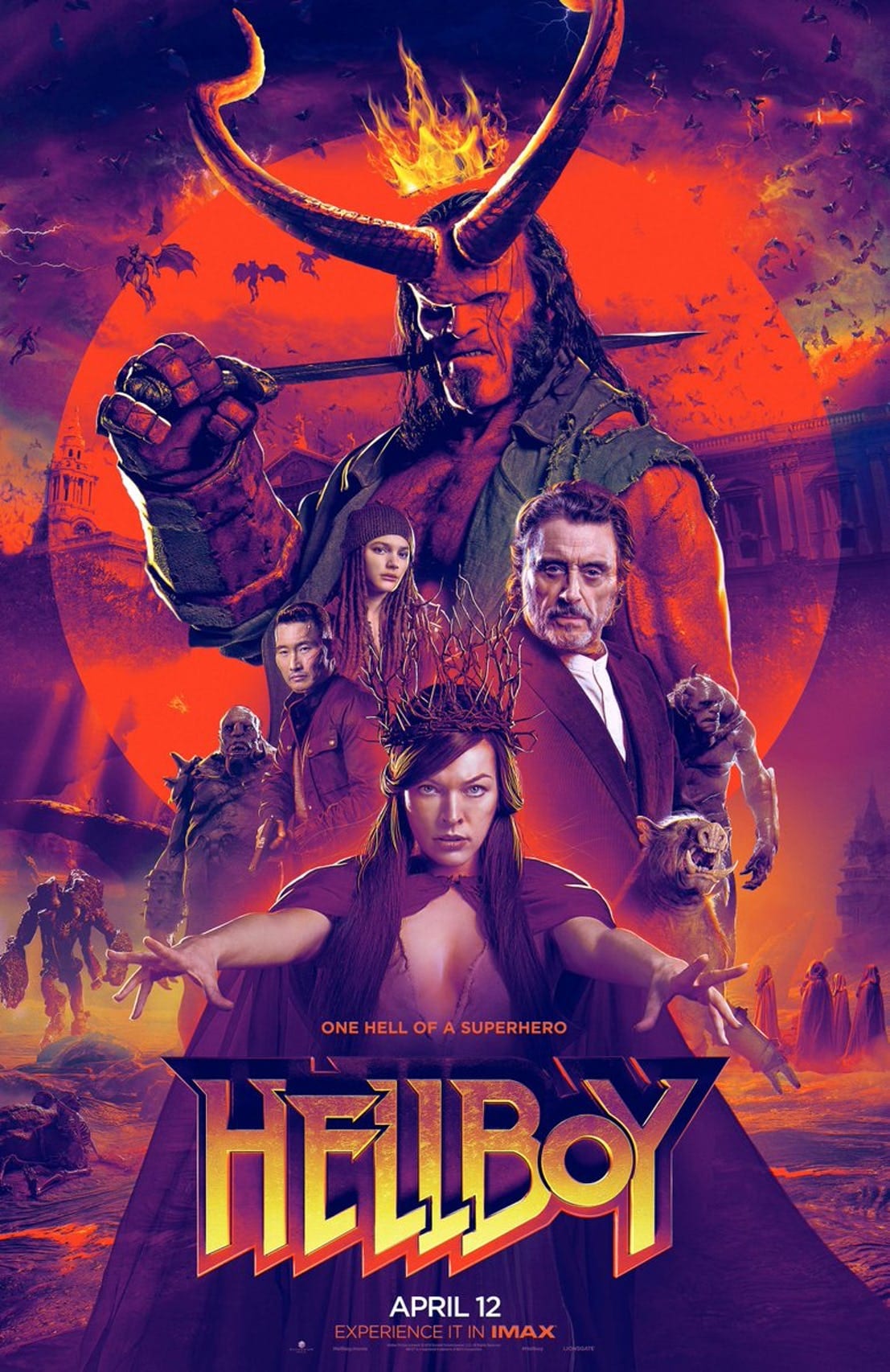


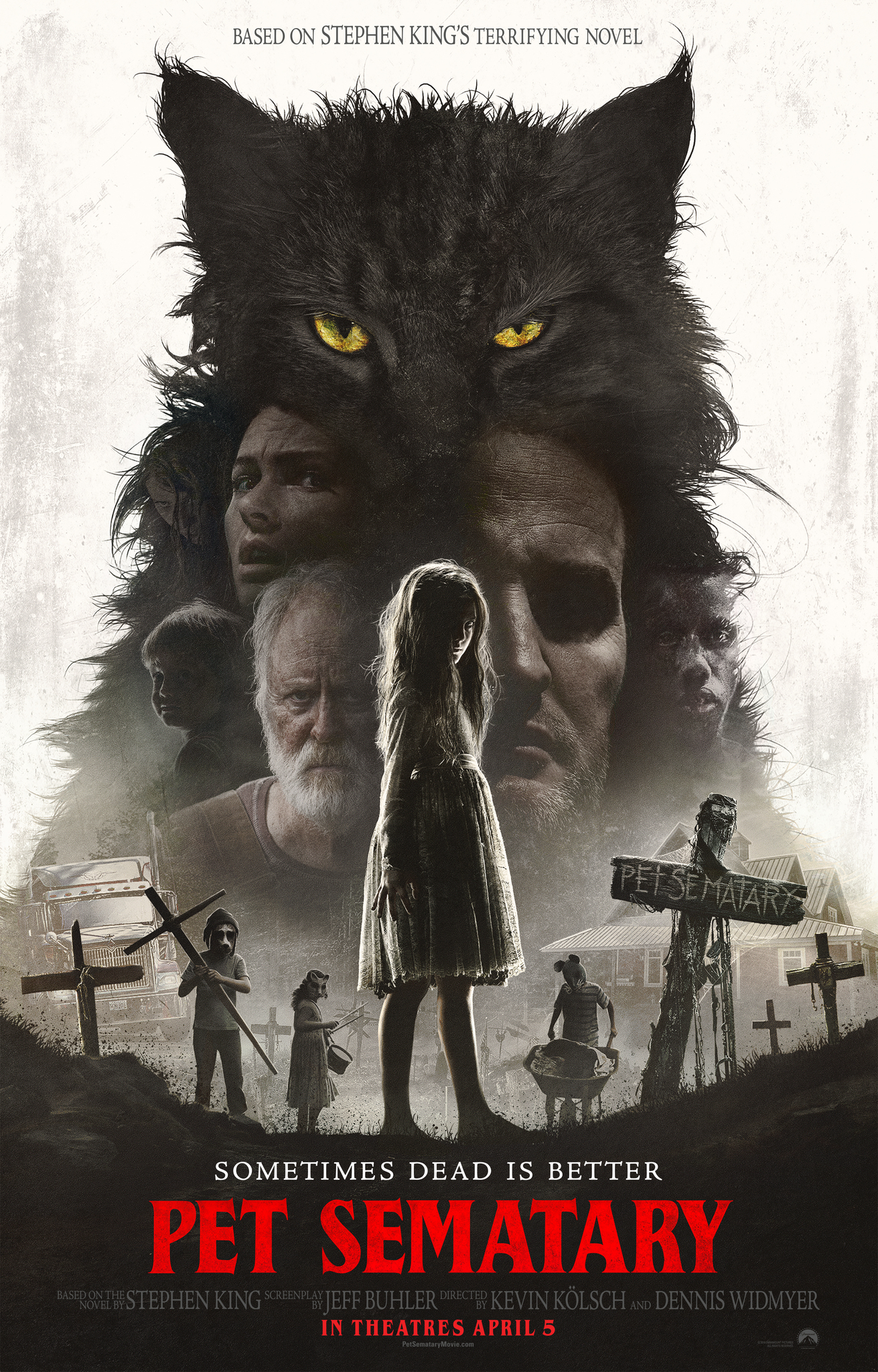



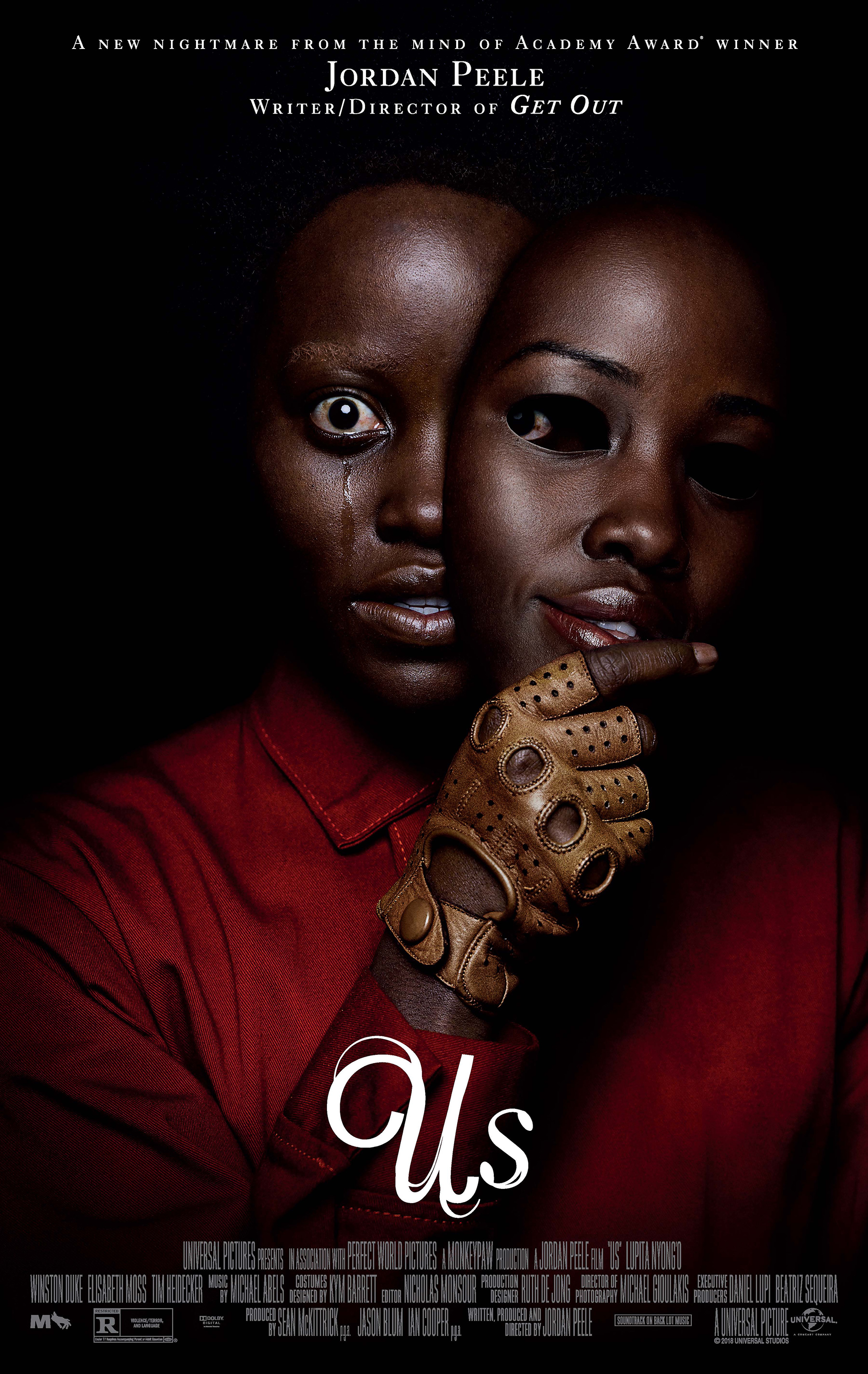
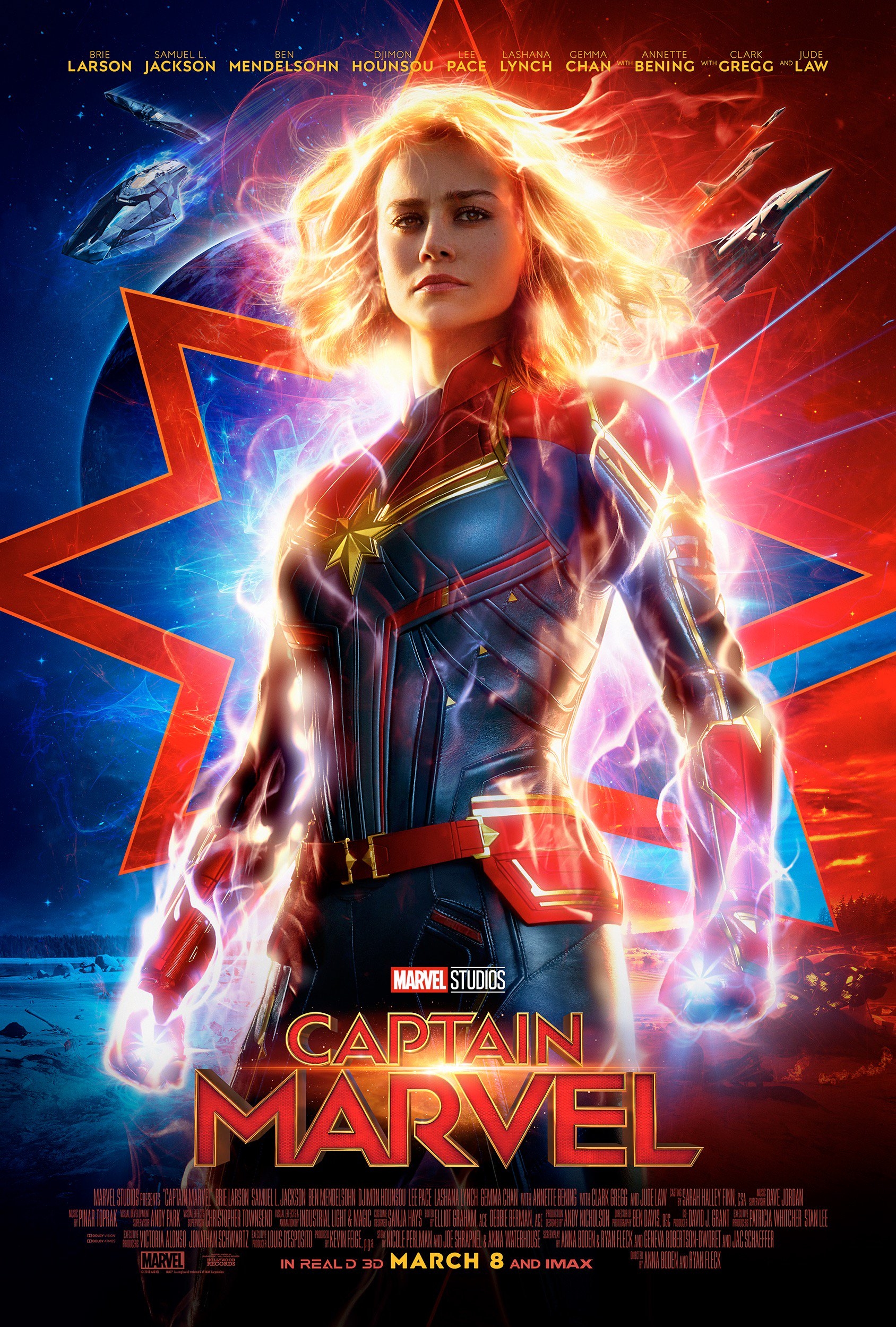

/cdn.vox-cdn.com/uploads/chorus_image/image/61840869/TNCFU_2.0.jpeg)




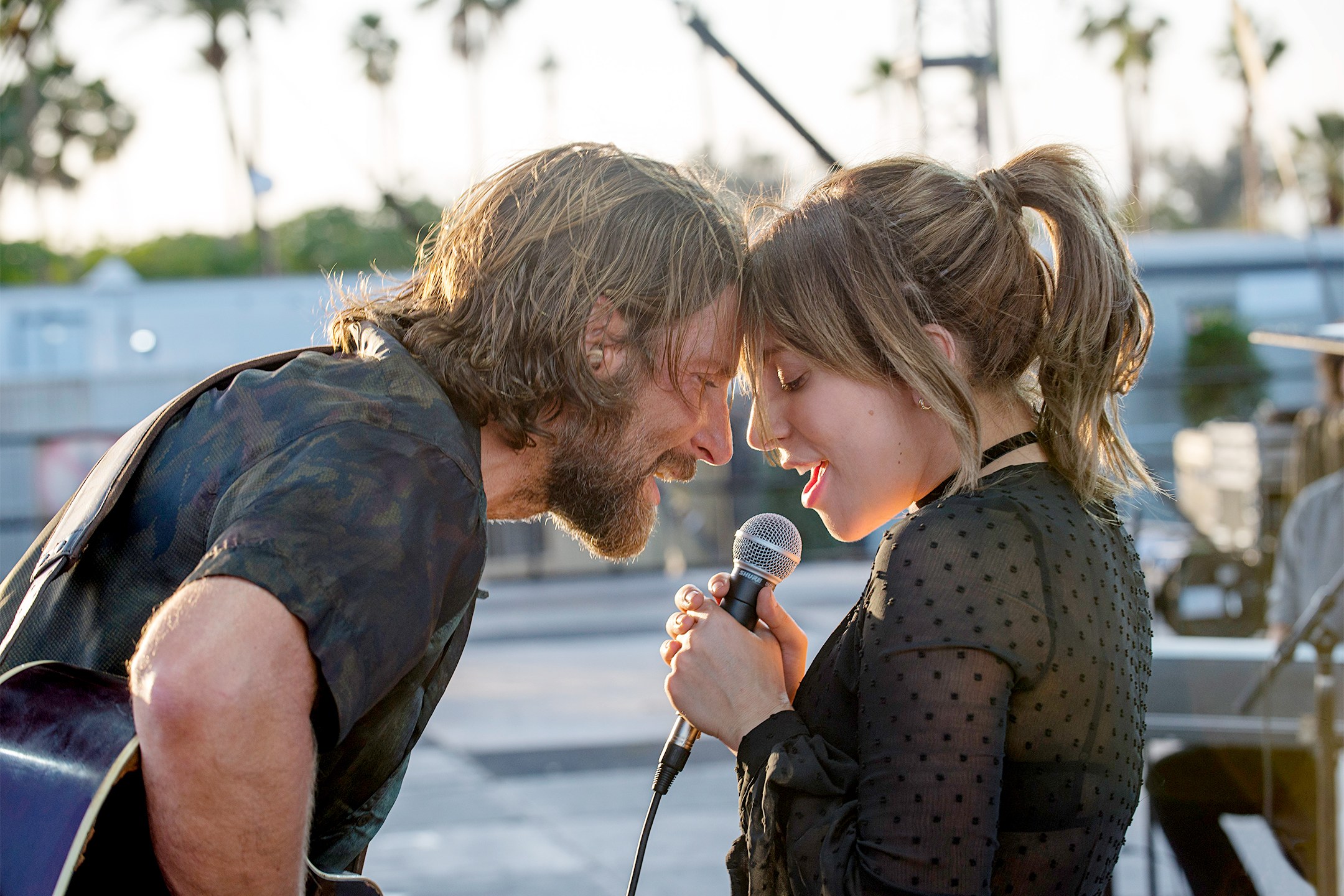


/cdn.vox-cdn.com/uploads/chorus_image/image/59744651/blackkklansman.0.jpg)


/arc-anglerfish-tgam-prod-tgam.s3.amazonaws.com/public/6P443YMDJFFJDEBEUEYCUOFDSE.JPG)
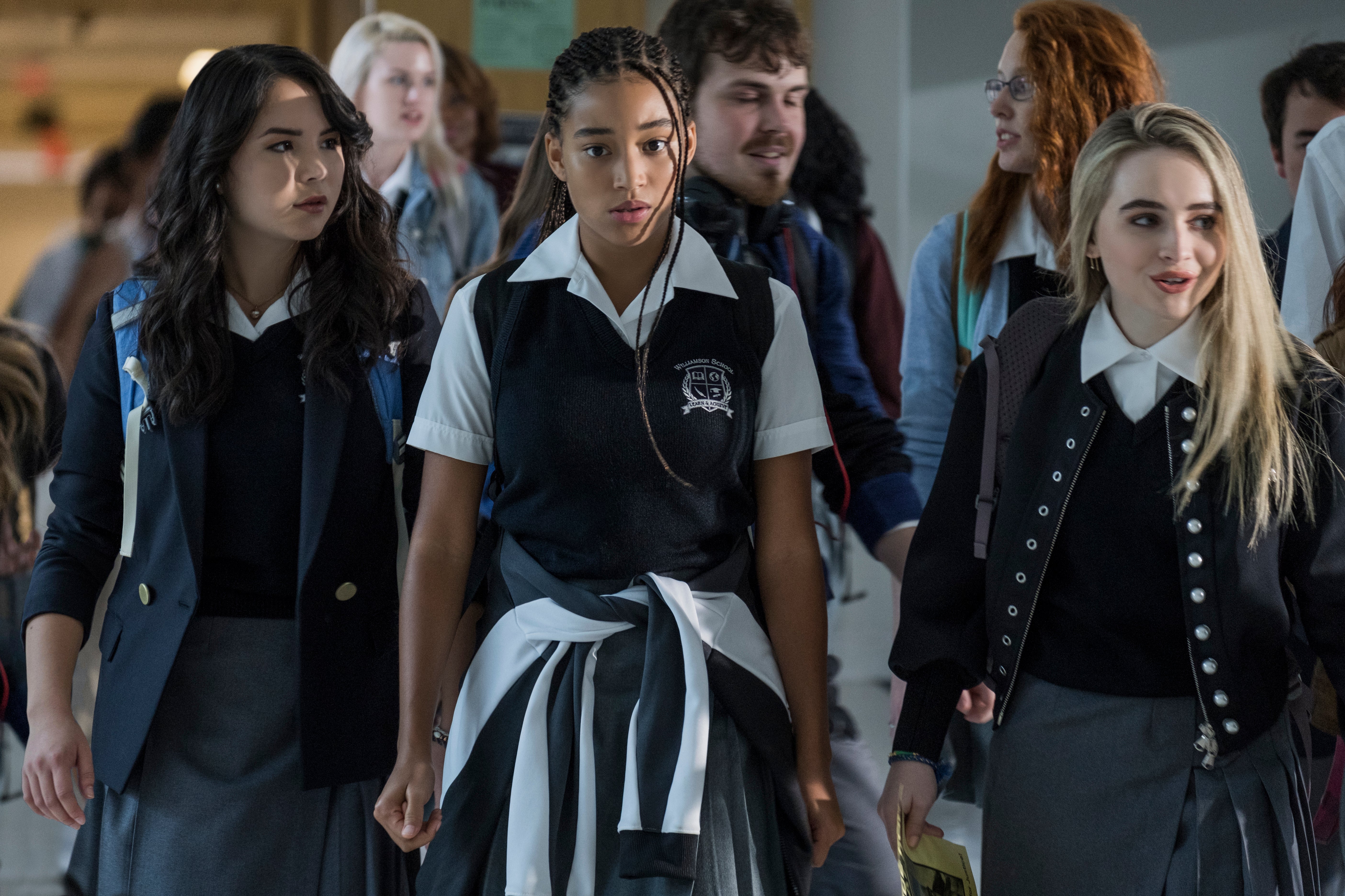
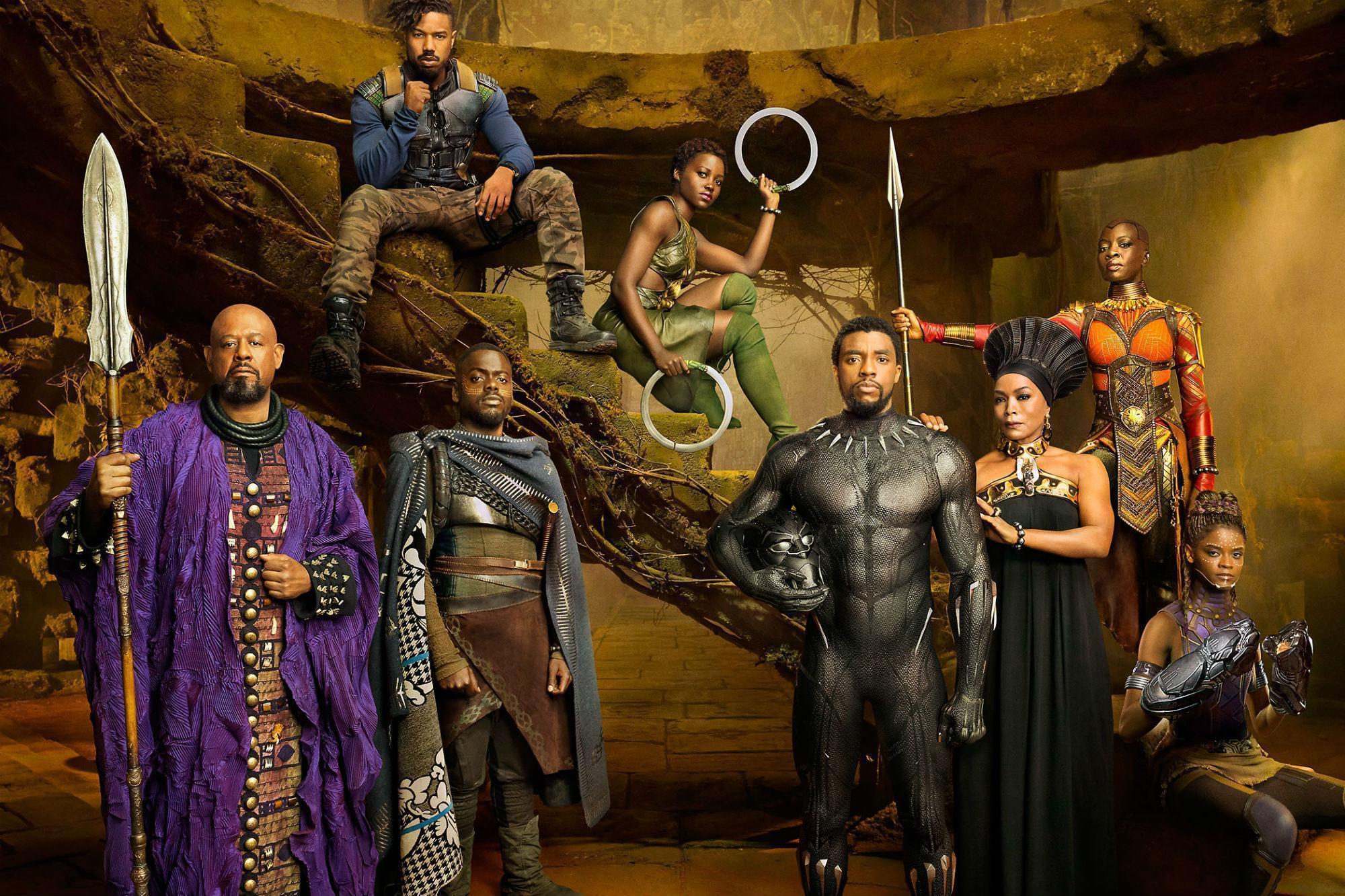


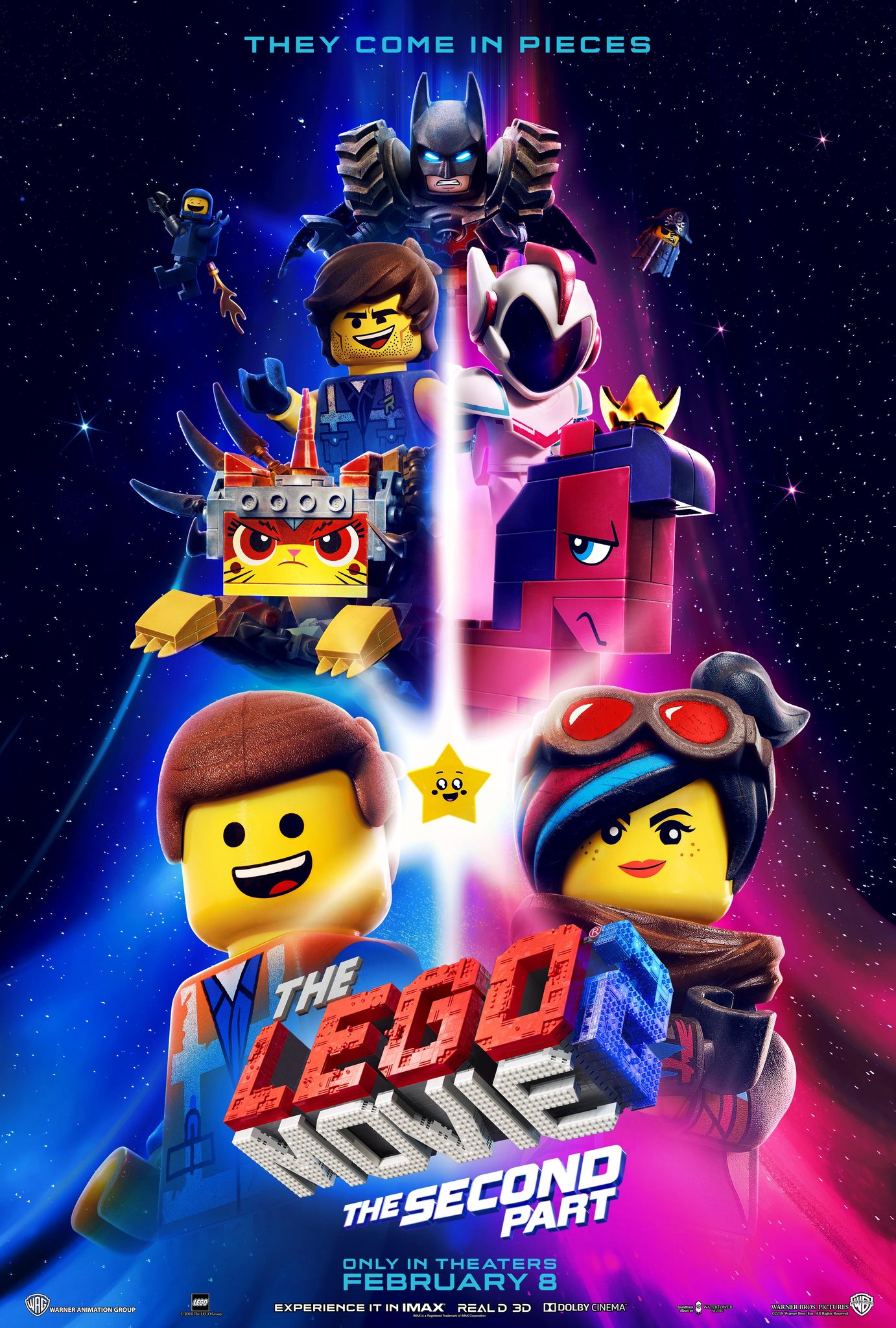


 Alternative Lens