Starring: James McAvoy (X-Men: First Class), Bruce Willis (Die Hard), Samuel L. Jackson (Pulp Fiction), Anya Taylor-Joy (The Witch), Sarah Paulson (12 Years a Slave), Spencer Treat Clark (Gladiator), Charlayne Woodard (Pose)
Writer/Director: M. Night Shyamalan (The Sixth Sense)
Runtime: 2 hours 9 minutes
Release Date: 18 January (US, UK)
Unbreakable was a film a little too ahead of its time, deconstructing the mythos of superheroes several years before the genre found solid footing in the modern cinema landscape. In retrospect, it’s a solid and provoking piece of work from M. Night Shyamalan, and even from its initial release the director promised it would actually be the first instalment in a trilogy. But Shyamalan moved on to make progressively worse and worse films, and the hope for future films slowly drifted away. Then suddenly, Split came out and not only revitalised Shyamalan’s reputation as a filmmaker, but was the surprise sequel to Unbreakable all along! With that film’s success, it seems Shyamalan’s wish finally came true and the story has finally come to a close in this climactic trilogy ender…but don’t get your hopes up. Glass is unfortunately a humungous disappointment, leaving the trilogy ending on an unceremonious whimper.
The film’s story picks up shortly after the events of Split, and in its opening moments it does a solid job of catching us up on characters from both films before uniting them in a cohesive manner. It’s a promising set-up that hooks you in, but once the main plot actually begins the film loses all momentum. Glass is in the odd predicament of being incredibly tedious and drawn-out, but still extremely lacking in detail and character. The majority of the film is set within the grounds of a psychiatric asylum, and mostly consists of characters discussing mental health, delusions and superhero analogies with nary a lick of tension. The pacing is lackadaisical and filled with very little of actual substance, resulting in a film that runs over two hours and yet barely has enough actual plot to fill the average episode of a TV show. The story keeps promising to build to an epic climax, but it just fails to happen. This undercutting of this expectation is clearly intentional, but it doesn’t replace that obvious leap with something more intriguing. Instead, it piles on multiple unremarkable twists that don’t even manage to be entertainingly ludicrous; they’re just dull and underdeveloped. By its conclusion, Glass fails to bring the stories of these three films together into a coherent thesis, creating for an experience that actually diminishes its prior entries as a whole rather than strengthens them.
Glass doesn’t really have a clear protagonist, leading to what often feels like its cast apathetically fighting for relevancy. Bruce Willis’ David Dunn seems like the obvious candidate, but the character surprisingly lacks much motivation or development beyond the first act, becoming a mere prop by the film’s conclusion. Willis’ dispassionate performance doesn’t help much either, which isn’t helped by the film constantly using scenes from Unbreakable as flashbacks; they barely even seem like the same actor anymore. James McAvoy is still deliciously over-the-top as Kevin and his multiple personalities, but he’s just doing the same thing he did in Split and the ending undercuts any interesting development made with him. The film may be named after the supervillain alter ego of Samuel L. Jackson’s Elijah Price, but the character doesn’t even speak until it is nearly halfway over. Jackson is as committed as ever and it is great to finally see the character openly embrace his villainous side, but there’s only so much he can do with the material given to him.
Sarah Paulson is the sole new major character as Dr. Ellie Staple and she delivers an understated but compelling performance, helping to centre the film’s meandering second act. However, where the character goes by the film’s end feels incredibly undercooked; I can’t say much more without spoiling it, but it’s needlessly overcomplicated and needed either further development or to be dropped entirely. Anya Taylor-Joy returns as Casey, Kevin’s main victim from Split, but despite a lot of promise from that film Glass completely fails to deliver on what it established. Not only has one of Casey’s biggest issues been resolved off-screen in between films, undercutting the tragedy and uneasiness of the prior story’s ending, but her unique abilities aren’t even properly put to good use; why was all that set up if it was never going to pay off? Similarly, Spencer Treat Clark, reprising his role as David’s son Joseph, seems like he’s being set up for his own interesting arc that is quickly forgotten, whilst Charlayne Woodard is practically wasted as Price’s mother.
On a technical level, Glass does an effective job of fusing the aesthetics of both Unbreakable and Split. It certainly resembles the latter film more in its cinematography and design, but it does bring over welcome elements from the former like its use of colour palette signifiers. There’s a lot of the usual Shyamalan quirks like long panning takes and peculiar camera angles, which are seemingly there to be off-putting but they are ultimately more distracting than anything. The film’s score by West Dylan Thordson is one of the film’s more consistently enjoyable elements, perfectly setting the mood and balancing a fine line between understated and heroic; these compositions are worthier of a much better film that this.
I wish Glass were either much better or much worse than it is. It is neither a satisfying conclusion to a trilogy, nor an entertainingly bad disaster. It’s just kind of dull. After doing so well to resist his usual vices on Split, M. Night Shyamalan has instead delivered what is far from his worst film but is arguably his most unremarkable. The story is limp and sparse in detail, the pacing is abysmal and tedious, the characters lack any kind of interesting growth, and its ending doesn’t satisfy on any level as a definitive end to what began nineteen years ago. After all this waiting and hype, Glass is ultimately better left alone and forgotten. Unbreakable and Split are far better films on their own terms rather than as some part of this haphazard three-part saga, and Shyamalan clearly still has a lot to grapple with in regards to his approach to filmmaking.
Starring: Christian Bale (The Dark Knight), Amy Adams (Arrival), Steve Carrell (Foxcatcher), Sam Rockwell (Moon)
Writer/Director: Adam McKay (The Big Short)
Runtime: 2 hours 12 minutes
Release Date: 25 December (US), 25 January (UK)
In the past few years, many have been quick to remark that the administration of George W. Bush was a rosy time in comparison to the chaos of America’s current political landscape, but on further reflection that couldn’t be further from the truth. The Dubya years were just as rife with questionable decisions for selfish gains whilst innocents paid the price. The big difference is that they weren’t blatant about it, and that is arguably the greater evil. So in these times of uncertainty, a reflection on those years with today’s hindsight does feel necessary, and who better to have as the focal point than Vice President Dick Cheney? With an all-star cast and sharp satirist Adam McKay at the helm, Vice has everything it needs to be the All the President’s Men of this generation. So why isn’t it?
Vice covers a wide swath of Cheney’s life in and out of his political life, helping to put into perspective a figure easily demonised because of his actions out of context. Certain key details feel brushed over, but the narrative does a good enough job of focusing in on the development of Cheney’s strategic mind and the reasoning behind his quest for power. The story is presented somewhat non-linearly, and whilst the storytelling never gets muddled per se it doesn’t always flow as naturally as it should; there is clearly a lot on the cutting room floor here. Where the film really struggles to connect is in finding the right tone. McKay applies a lot of similar techniques to his directing on The Big Short, utilising fourth wall breaks and non-sequiturs to explain political jargon, but it never quite gels as well with the darker subject matter and grounded aesthetic the film is otherwise going for. It feels caught between being a serious docudrama and a farce, and despite both elements separately containing some inspired moments, it ultimately feels confused and lacking in direction. When the film does hit, it hits hard, delivering sharp and often absurdist humour to bring a light touch to some very diabolical situations. Then again, when you’re bouncing around from farcical scenes like Dick and Lynne Cheney acting like literal Shakespearean villains to horrifying details about how the administration in retrospect did more to escalate global terrorism than prevent it, it is often difficult to find your bearings.
Every time Christian Bale puts himself through some incredible exercise in method acting transformation, everyone loves to stop and gawk about how much weight/muscle he has gained/lost. His metamorphosis into Dick Cheney is no exception, but beyond the physical his characterisation of the political puppet master is amongst his best work. Bale certainly indulges himself in playing up Cheney’s less desirable personality affects, nailing his gruff tone of voice and stoic, disconnected complexion, but he still brings a certain vulnerability and even charm to the role; you can understand why people listened to this guy and how he got so far in politics. Amy Adams is equally capable as Cheney’s wife Lynne, demonstrating a viler and more conniving side to Adams than we’ve ever seen from her. Carrell is certainly here to play as Donald Rumsfeld, but he can’t help but feel a tad miscast; he might have made more sense in a version that more overtly comedic. Sam Rockwell delivers a damn good George W. Bush impression, but the film actually gives him very little to do. Sure, the point of the film is to show how Dubya was just a pawn in Cheney’s own plans and actually did very little of note himself, but to have such a charismatic actor perfectly cast as a world famous leader and having him be a mere prop can’t help but be disappointing.
The rest of the cast is rounded out with stellar performers in even the tiniest roles, but they too often feel out-of-place or underutilised, and the oddest of all is Jesse Plemons. In an odd framing device, Plemons narrates much of the proceedings by filling in time jumps and explaining political terms to the audience, but his presence confuses just as much as it clarifies. His character and intricate knowledge of Cheney’s life is built up as some sort of twist, but the reveal itself is underwhelming and all that build-up only distracts from the important information.
I agree with McKay’s take on Dick Cheney in principle, but as a movie Vice only barely passes muster because of the flaws in its execution. Much in the same vein as previous Bale/Adams collaboration American Hustle, it is a film with a lot of great individual pieces that fail to add up to a satisfying whole. Bale and Adams are fantastic as the Cheneys and deserve some recognition this awards season, and when McKay is on point with the satire the film really comes alive for stretches. However, the final product never quite adds up to the politically charged gut punch it wants to be. The narrative is scattershot and the tone unfocused, often coming across more like an off-the-cuff screed rather than a finely detailed takedown rebuttal. I don’t know if McKay got a little intimidated by the material or just couldn’t trim the film down to something digestible in the edit, but this does not feel like his best work.
So with 2018 drawing to a close, it’s time once again to look forward to a new year of releases. As with most years, this list is full of the usual suspects: sequels, reboots, pieces of cinematic universes, and everything in between. However, as much as I love to be surprised by original films (and don’t worry, there are plenty of those in here too), a lot of these projects do have me genuinely excited. Some of that may be down to nostalgia, yes, but there’s also a lot of promise of innovation being expressed within these well-worn ideas. So here’s hoping everything on here lives up to expectations and that we aren’t in for yet another year of disappointment.
As usual, allow me to repeat the ground rules:
This list is based on what is scheduled to come out in 2019 as of this moment. Some of these may get delayed to 2020 for a variety of reasons, but as of now they are due for release next year. Several films on this list were actually on last year’s and got delayed, so there is plenty of precedent.
I’m only counting films that have a confirmed release for next year. There are plenty of films, generally smaller productions, that are in production with an aimed 2019 release, but they may well end up in 2020. Bottom line: if it doesn’t have a specific date on the release calendar in the US or UK, it’s not getting counted.
Films that will be released here in the UK in 2019 but were released in the US in 2018 don’t count, so don’t expect to see films like Boy Erased, If Beale Street Could Talk or Vice on this list. Awards-buzz films like that have already had eyes on them, and this list is all about hype for projects the public have not seen yet.
This is not a prediction of what I think will be the best films of 2019. Some will disappoint, and usually the best movies end up being the ones I haven’t heard of yet. These are merely the movies I am most excited for and/or interested to see, and their quality will be judged when I have actually seen them.
And now, let us proceed…
Men in Black: International
Release Date: 14th June (US, UK)
The original Men in Black had so much promise to spawn a sprawling franchise that could go in hundreds of zany directions…but instead we got two sequels that only focused on trying in vain to recapture the dynamic of the first. Hopefully, junking both Will Smith and Tommy Lee Jones and focusing on a new team of MIB agents will help start the slate clean. Focusing on the London branch of the extraterrestrial defence agency and billed as a globe-hopping murder mystery, MIB: International looks exactly like the fresh twist on the series we’ve been waiting for. Also, Chris Hemsworth and Tessa Thompson already proved themselves a winning combo in Thor: Ragnarok, so I can’t wait to see what they do here.
Pokémon: Detective Pikachu
Release Date: 10th May (US, UK)
Given Pokémon’s popularity over the past twenty years, it’s surprising that it’s taken until now to see a live-action film. Then again, Nintendo have up until now been super-protective of their properties since the Super Mario Bros. movie crashed in 1993. Even so, I don’t think anyone would have thought adapting Detective Pikachu was the obvious route to go. This could easily fall into the banal camp most CGI/live-action hybrids based on nostalgia properties do. However, the trailer is surprisingly promising and already shows they’ve jumped the first hurdle of faithfully bringing the world of Pokémon to life. I at least have more faith in it than the Sonic the Hedgehog movie. Oh yeah, that comes out this year too.
Hobbs and Shaw
Release Date: 2nd August (US, UK)
We’re not seeing a ninth Fast & Furious flick until 2020 at least, but this spin-off highlighting Dwayne Johnson and Jason Statham’s characters seems like an ideal holdover. The two had remarkable chemistry in Fate of the Furious, and with Idris Elba as the villain and Deadpool 2’s David Leitch at the helm, this sounds like it could become a ridiculous guilty-pleasure franchise all on its own. Here’s hoping for more ridiculous stunts, cheesy one-liners, and hilariously unintentional homoerotic machismo between the two leads. But seriously, how are they going to top Jason Statham taking out bad guys on an airplane whilst carrying a baby?
The Lion King
Release Date: 19th July (US, UK)
I don’t really understand the logic of this being a “live-action adaptation” given all the characters are CG talking animals, but I can’t deny there’s something intriguing about seeing a photo-realistic revision on The Lion King. Jon Favreau’s The Jungle Book is the one the few Disney live-action films that undeniably works (we’re also getting new versions of Dumbo and Aladdin this year for some reason, but I have far less faith in those), so to see him back again to take this on is a good sign, and the phenomenal cast they’ve assembled only sweetens the deal. So glad they realised you can’t replace James Earl Jones as Mufasa and just brought him back.
Joker
Release Date: 4th October (US, UK)
I knew it was only a matter of time before Marvel and/or DC started to make Elseworlds-style films set outside the main timeline (then again, you could argue the entire Dark Knight trilogy was essentially that), and for a first attempt this sounds like a really bold take. A Joker origin story is something that is incredibly hard to do because the character is often more interesting when you know less about him. However, given the filmmakers have frequently quoted The King of Comedy (Martin Scorcese’s most underrated film) as a key reference point down to casting Robert De Niro has me intrigued, and Joaquin Phoenix certainly has the chops to deliver a distinctive Clown Prince of Crime. It can’t get any more divisive than Jared Leto, can it?
Alita: Battle Angel
Release Date: 6th February (UK), 14th February (US)
So this one has ended up on the list again after two delays, but I’m hopeful this new February release will give this a far better chance than its previous July and December dates ever could. There is every possibility that this is going to be yet another failed western adaptation of a manga, but simultaneously there’s just something about this project I can’t deny I’m excited about. Maybe I just like rooting for the ambitious underdog, maybe I’m still hopeful Robert Rodriguez can turn his career around, or maybe I’m just a sucker for cyberpunk fantasies with badass anime women at the centre. Actually, I think it’s all of those.
BrightBurn
Release Date: 24th May (US, UK)
OK, now this is a last-minute surprise! We were already getting a superhero horror movie with the long-delayed The New Mutants this year, but BrightBurn looks like a way more interesting and bonkers take. An on-the-nose subversion of the Superman story with little subtlety, the mere premise seems like something out of a viral fan film, but this is a real Hollywood production with a budget and stars and everything. This could easily end up being silly or overwrought, but the premise alone has me sold. Plus, I want to see James Gunn succeed after his unfortunate dismissal from the MCU. I can now only imagine what his new bosses over at DC are thinking realising they’ve hired a man who has quite literally produced a twisted remake of Man of Steel.
Godzilla: King of the Monsters
Release Date: 31st May (US, UK)
I thought that last Godzilla movie was decent but only got worse on repeat viewings; even though that third act was pretty damn impressive, it wasn’t worth sitting through the poorly-paced lead-up with uninteresting human characters. Hopefully, this follow-up can deliver the gonzo energy promised in that climax throughout its runtime. Bringing in more monsters from the Toho mythos is the perfect way to ramp up intensity for the sequel, and the trailers certainly promise a lot of big kaiju action whilst maintaining the artful grounded aesthetic of the previous film. Then again, the trailers for the last movie bit more off than they could chew, so I’m not going to hype it up in my mind too much. Here’s hoping it embraces more of the brazenly ridiculous elements like its sister film Kong: Skull Island did. The two beasts are going to be fighting that title match in 2020 after all…
Glass
Release Date: 18th January (US, UK)
If you told me even five years ago that I’d be highly anticipating a new M. Night Shyamalan movie, I’d have thought you were crazy, especially since five years ago was 2013 and After Earth had just come out and was awful. However, the man has made a startling career U-turn and now we’re looking at the finale of his long-promised Unbreakable trilogy. To see the worlds of Unbreakeable and Split collide is something I never thought I’d be excited about, but damn do I really want to see this!
Missing Link
Release Date: 5th April (UK), 12th April (US)
This was also only my list last year, but back then it was just “Untitled Laika Movie”. Now we know what it is, and that knowledge has only increased my excitement. Sure, it seems bizarre to have another animated Bigfoot movie out so soon after Smallfoot (and with Dreamworks’ Abominable out in 2019 too), but Missing Link certainly stands out from its competitors already. With a stellar voice cast and Laika’s always-gorgeous animation style, something would have to go terribly wrong for this to be anything but good.
Spider-Man: Far From Home
Release Date: 5th July (US), N/A (UK)
I liked Homecoming a fair bit and it has only improved on repeat viewing for me, but it doesn’t come close to the first two Raimi movies and certainly nowhere near Into the Spider-Verse‘s brilliance. However, I’m still excited to see how Far From Home takes the character in a post-Endgame MCU, and my undying love for the character will always have me excited to see a new instalment. Sending Spidey abroad is certainly an interesting way to freshen things up, and finally pitting him against fan favourite villain Mysterio also has me immensely excited. He’d better be wearing that fishbowl though or no dice. It’s not Mysterio if he doesn’t look fabulously ridiculous.
It: Chapter Two
Release Date: 6th September (US, UK)
It sprang up to become the highest-grossing horror film of all time, so the follow-up has a lot to live up to. Splitting the classic Stephen King story into two parts was a wise decision, but it also leaves us with the unfortunate reality that the modern day sections of the novel are, well, kinda not very good. Then again, the first film did a solid job of reinvigorating and mending the holes of the book, and along with the stellar cast they’ve assembled to play the adult members of The Losers’ Club, it makes me think they might be able to make a follow-up that won’t disappoint like the ending to the original did.
John Wick: Chapter Three
Release Date: 17th May (US, UK)
The John Wick movies have had a huge impact on the action genre lately, reminding filmmakers that slick choreography and coherent cinematography trumps shaky-cam and quick cuts every time. Topping Chapter Two is going to be a tough task, but the tease for what is to come in Chapter Three left at the end of that movie can’t help but get me excited for this. Whether this film finds new ways to innovate the formula or just delivers the same quality level of awesome action from it predecessors, I think I’m going to be happy.
Hellboy
Release Date: 12th April (US, UK)
Would I have rather seen Guillermo del Toro’s vision for Hellboy 3? Definitely. But am I glad to see him back on the screen anyway? Hell yeah! (pun firmly intended) With cult favourite Neil Marshall getting the biggest shot of his career so far, creator Mike Mignola heavily involved in production, and David Harbour getting his shot at leading man status much in the same way Ron Perlman got his with the original Hellboy, there’s a lot to get excited about with what little we’ve been given so far. Comic book movies aren’t going away, so let’s at least get as many weirdy ones like this out there to mix things up.
Toy Story 4
Release Date: 21st June (US, UK)
To be completely honest, I would have rather they let this series end where it did. As much as Pixar has claimed they don’t make sequels unless they have a good idea, we still have Cars 2 as evidence to the contrary (and considering this film was also something pushed through by the now-ousted John Lasseter, that has me worried). Then again, Toy Story has yet to set a wrong foot in any form, and I can’t deny my childish curiosity of what Woody and Buzz are up to now. They are immortal plastic beings after all, and it will have been nine years between instalments by the time this comes out, so maybe now is the time to revisit this troupe of toys yet again.
The Kid Who Would Be King
Release Date: 25th January (US), 15th February (UK)
And here’s yet another one that was on my list last year that got delayed. I’ve been waiting on tender hooks for Joe Cornish to make his follow-up to Attack the Block, and we’re finally getting it this year. Once again, it looks like we’re getting a mash-up of high-concept fantasy falling into the hands of contemporary British youths, but this time instead of aliens we’ve got Arthurian legend. The Kid Who Would Be King seems to be aimed more at the family audience compared to Cornish’s directorial debut, but his sharp wit and his ability to mash the unreal with the mundane seems just as on point. Here’s hoping this becomes a modern family classic.
Frozen 2
Release Date: 22nd November (US, UK)
I will be honest: I do still unashamedly love Frozen, but I am not a fan of the culture it has spawned. However, even though I know this sequel will only continue to proliferate the phenomenon that hasn’t gone away since the first film’s release, I can’t help but be excited for it. I want to know where they can take this story and these characters. I want to be surprised by how else they can deconstruct the Disney formula whilst still respecting it. And yes, I want to hear all the earworm songs they’ll inevitably get stuck in my head. Indeed, it seems after all this time, even I can’t bring myself to completely let it go.
Zombieland Too
Release Date: 11th October (US, UK)
I know, I know: director Ruben Fleischer never managed to live up to his debut with Zombieland, especially after delivering the bizarre mess that was Venom. However, not only has its cast done phenomenally well for themselves, but its screenwriters Rhett Reese & Paul Wernick have never been doing better and were the real secret to the original’s success. A decade later, there is no better time than now to return to the apocalypse. Seeing these characters after so long, how much they’ve developed over the years, and still kicking ass against the zombie menace, tickles every nostalgia itch in my body. Even if it doesn’t live up to the first, it still can’t get any worse than that ill-fated attempt at a Zombieland TV show. Yeah, that really didn’t work.
Shazam!
Release Date: 5th April (US, UK)
Shazam is a hero that has deserved a movie for a long time, and is definitely one that feels like it should have come out during a more innocent time. Well, it seems like the filmmakers have recognised that and gone for a tone and aesthetic closer to superhero movies from the 90s and 00s, but in a good way. Zachary Levi looks like a perfect match to bring DC’s big kid hero to the big screen, and marks yet another huge change of gear for the DCEU going forward. After Aquaman delivered on the zany aquatic action nonsense, I’m all for the universe continuing in that direction as opposed to more doom and gloom.
Us
Release Date: 15th March (US, UK)
With his debut feature Get Out becoming an instant phenomenon, Jordan Peele has a huge task ahead of him in constructing his sophomore effort. With Us, the comedian-turned-horror maestro definitely seems to be playing with the same toybox as his previous film but with a completely unique hook. Doppelgängers have always been a creepy subject matter for horror, and Peele’s vision of an average family haunted by twisted versions of themselves is a premise ripe for both scares and Peele’s particular brand of social commentary. I was excited about Us before I even knew what it was, but now that hype is certainly confirmed.
How to Train Your Dragon: The Hidden World
Release Date: 1st February (UK), 22nd February (US)
The How to Train Your Dragon trilogy finally comes to a close this year after many delays, and the wait has only increased my hunger to see where this story finally goes after nearly a decade since it began. How to Train Your Dragon 2 moved the franchise forward in a bold direction, and though The Hidden World so far doesn’t look like as bold a leap as last time, there’s still a chance it will surprise us. For all we know, this may not be the last time we see this world, but I at least hope it finally brings an end to the story of Hiccup and Toothless.
The Lego Movie 2: The Second Part
Release Date: 8th February (US, UK)
Speaking of long-delayed animated follow-ups, after several spin-offs we’re finally getting a direct sequel to The Lego Movie! The lack of Phil Lord & Chris Miller in the director’s chair is worrying, but they’re still on board as writers and producers so they’re touch isn’t totally lost. There is still worry that this is a joke that can’t work twice, but The Second Part shows plenty of indication just from the trailer that they’re going to take the satirical deconstructionist approach in a new direction this time around, and I for one can’t wait to see what new wacky ideas Lord & Miller have concocted this time.
Star Wars Episode IX
Release Date: 20th December (US), N/A (UK)
After The Last Jedi cleared the board for the franchise to go in any direction, it’s worrying that we now have JJ Abrams back in the director’s chair. Not because he’s an untalented filmmaker, but because there’s a fear he may undo all the progress made in the last film by reverting to The Force Awakens’ retrofitting approach; it’d be extra-tempting too considering the nebulous backlash to Rian Johnson’s opus. Even I fear that may happen, but I also hope Abrams is not that stupid. Star Wars has a chance here to prove it doesn’t have to bow to the whims of whiny fans who just want injections of nostalgia. The series has the opportunity to end the trilogy in a way that bucks all trends and sets the series up to go on forever in new and interesting ways. I hope they take it.
Avengers: Endgame
Release Date: 26th April (US, UK)
And so it all comes to this. Infinity War left the state of the Marvel Cinematic Universe in utter despair, and every fan on Earth has been chomping at the bit to see what happens next. We still know very little about Endgame, but from the title alone it’s clear this instalment is going to have huge ramifications for the franchise moving forward. I think it’s a given that not every bad thing that happened in Infinity War is going to remain that way, but I’d just as much say there is just as much change some shocking things will endure, and with many more to add. I can only speculate at this point, but that feeling of the unknown is what makes me more excited about this movie that any other this year…except for—
Captain Marvel
Release Date: 8th March (US, UK)
Endgame may be the big Marvel blowout of 2019, but on a more personal level Captain Marvel is the movie I’m far more invested in. After DC finally cracked the code for female-led superhero movies with Wonder Woman, all eyes are on Marvel to respond, and Captain Marvel looks like a more-than-worthy answer. Every decision here has been the smart one. Brie Larson is a perfect choice for Carol Danvers, they’ve wisely switched up the origin to downplay comparisons to Green Lantern, the 1990s setting is a unique touch that further sets it apart, and directors Anna Boden & Ryan Fleck are yet another bold choice from Marvel that’ll give this flick a unique flavour. Pile on the introduction of the Skrulls to the MCU and young versions of Nick Fury and Agent Coulson, and this already has everything I could want from a Captain Marvel movie. Almost all the films of on this list I have doubts about, but I feel wholly confident in saying Captain Marvel is going to be one hell of a time at the multiplex.
Starring: Emily Blunt (A Quiet Place), Lin-Manuel Miranda (Moana), Ben Whishaw (Skyfall), Emily Mortimer (Hugo), Julie Walters (Mamma Mia!), Colin Firth (The King’s Speech), Meryl Streep (The Post)
Director: Rob Marshall (Into the Woods)
Writer: David Magee (Life of Pi)
Runtime: 2 hours 10 minutes
Release Date: 19 December (US), 21 December (UK)
Disney’s original Mary Poppins was a landmark film for the studio, proving their magic touch could transfer to live-action and garnering critical acclaim beyond the family audience, but it wasn’t all smiles and rainbows. The production was notoriously troubled, mainly due to the disapproval of author P.L. Travers. As a result, despite the film’s success, Travers refused to allow Disney to make any sequels. However, with Travers leaving the door ajar by approving a deal with Disney to make a stage adaptation of her books shortly before her passing, the House of Mouse has swept in again and finally made the sequel they’ve wanted for fifty-four years. So was Mary Poppins Returns worth the decades of hubbub and stand toe-to-toe with the original? The answer is, sadly, not really.
Mary Poppins was quite unorthodox in that it lacked a structured narrative. It flowed more like a children’s book, clearly far more concerned about the heart and message of the story than having a clean-cut plot. It was an approach that, whilst odd especially by modern standards, paid off incredibly well by the film’s end as it becomes clear it was about Mr. Banks’ arc all along. Returns ends up trying to have its cake and eat it too, indulging in plot cul-de-sacs for the sake of musical numbers like the first, whilst also trying to follow a more traditional three-act structure. The final result is a bit muddled, being neither a faithful recreation of the original’s style nor a fresh take on the material. The story is an incredibly pedestrian affair straight out of the book of kids’ movies clichés, relying on elements like a moustache-twirling villain and a race-against-the-clock climax that the 1964 classic didn’t need. Not only is this more rigid approach to storytelling at odds with the more freeform indulgences of the film, resulting in a serious of deadend superfluous plot threads, it ultimately cheapens whatever genuine emotional impact the story had going for it. Even then, most of what is effective is just lifted from the first film nearly beat for beat, and in the end “predictable and expected” are exactly the wrong words I should be using to describe a Mary Poppins film. Maybe the filmmakers thought a modern audience needed a definitive through line and clearer morals, but in doing so it actively works against everything the film does do to try and recapture the magic of the original film.
In terms of casting, I don’t think they could have found a better Poppins than Emily Blunt. She is absolutely delightful from her first appearance on camera, paying a great deal of reverence to Julie Andrews’ performance but more than making the character her own, perfectly capturing her witty charm and unpredictable nature. Unfortunately, the character of Poppins on the page is a less faithful translation, as she does something here she never did in the first: she directly intervenes in the plot. In the original film, Poppins functioned as more of a mentor and conscience, guiding the characters where they needed to go but allowing them to fulfil the needs of the story. Whilst that ideal is mostly adhered to, there are moments especially in the third act where Poppins is actively engaged and serving as a deus ex machina to problems the characters can’t actually solve. It’s a choice that once again doesn’t convince me that the filmmakers fully understand what made Mary Poppins tick and, as faithful a job Blunt does with her performance, the material fails to live up to those high standards.
Lin-Manuel Miranda certainly seems more comfortable with the cockney accent than Dick Van Dyke, but other than that his character Jack is essentially just a replacement for Bert (whose absence is cursorily addressed). That’s not necessarily a bad thing, and Miranda throws his all into the role, but the only thing that really differentiates him is a subplot involving a possible romance between him and Jane Banks that goes nowhere. Ben Whishaw is well suited to the role of a jaded grown-up Michael Banks, but his arc here is essentially just a less effective retread of his father’s from the first movie, lacking the impact of that character growth because Michael isn’t coming from as disparate and bitter a place as Mr. Banks. Emily Mortimer’s Jane feels like an afterthought, with her labour activism serving as a limp replacement for her mother’s equal rights campaigning and has nothing to do with anything. In terms of the children, they are at least a little more distinct than Michael and Jane in the original, but they’re not exactly brilliant characters either. The film hints at this dynamic where Annabel and John (Pixie Davies and Nathanael Saleh) have been forced to mature too early that kind of gets dropped, whilst Joel Dawson’s Georgie is so naïve and irresponsible to such a degree I thought they were going to reveal he was on the autism spectrum or something; that actually might have been an interesting development, but the film never goes there.
Julie Walters is also great but very underused as housekeeper Ellen, and there’s even a few cheeky on-screen and vocal cameos for the cinephile to spot; some obvious, some less so. But the performances that most certainly don’t fly are those by Meryl Streep and Colin Firth. Streep’s role as fix-it shop owner Topsy takes the cake as the most unnecessary sidestep the film takes, with her plot thread literally never resolved and her character never coming back into play, and her performance is just an Eastern European stereotype so broad it makes Van Dyke look like a born-and-bred Londoner. Firth meanwhile is saddled with possibly the flattest villain I’ve seen in a modern film as bank president Wilkins. There’s no attempt at ambiguity or nuance to the character in any facet; he’s just a greedy cheating bad guy who wants to destroy the Banks family because…money? It’s a role that is not only incredibly trite and unimaginative, but completely misunderstands the point of the bank in Mary Poppins.
In terms of striking a balance between the traditional and the modern, Mary Poppins Returns fares better at doing so on a technical level than it does so with its story and characters. From the traditional opening credits to the dance choreography, it faithfully mirrors a lot the techniques from the first film and effectively updates many others. It could have done a better job at fusing certain aesthetic elements, as the film not only dabbles in live action and 2D animation but CGI elements as well; it might have been wiser if the film picked either old school or new school instead of mixing both. But what everyone really wants to know is whether any of the new songs are good, and much like the rest of the film it’s an incredibly mixed bag. Mary Poppins has some of the most iconic songs in film history in its repertoire, but nearly every song on Returns’ soundtrack is just a rehash those old tunes. The best is probably “A Cover is Not a Book”, the film’s equivalent to “Supercalifragilisticexpialidocious”, though I do question to choice to have Miranda rap in it (guys, I know he was great in Hamilton and all, but just because he can rap really well, doesn’t mean he should here). “The Place Where Lost Things Go” is a sweet little melody but is just an amalgam of “Stay Awake” and “Feed the Birds”, “Trip a Little Light Fantastic” is a fantastic choreography showcase but is near-identical to “Step in Time”, whilst “Lovely London Sky” is a very promising opener but it’s no “Chim Chim Cher-ee”. The most original song is “A Conversation”, a quiet little ballad where Michael sings to his deceased wife, but it’s a mere fleeting moment of originality. The absolute worst is “Turning Turtle”, Streep’s song that serves as the film’s “I Love to Laugh”…or at least I think that’s what it’s supposed to be. Frankly, the song was so forgettable and uninteresting that I can’t even hum a single melody from it.
Mary Poppins Returns was never going to rival the original film, and it ultimately falters because it simply tries too hard in all the wrong places. It feels like the result of too many cooks in the kitchen; some of them are trying their best to reverse-engineer its predecessor, whilst others misunderstand what made the first film work to begin with. Blunt’s lead performance is effortlessly charismatic and most of the songs are at least enjoyable in the moment, but I’m all but certain this one won’t stand anywhere near the test of time Mary Poppins has for over fifty years. That film remains timeless because it touches on universal themes and speaks to all generations, and all Returns can do is parrot those same ideas. If you are in the mood for a whimsical family picture this holiday season, you’d be much better off watching the Paddington movies again at home instead. Those honestly capture the appeal and heart of the original Poppins better than yet another example of Disney brand management.
Starring: Hailee Steinfeld (True Grit), John Cena (Blockers) Jorge Lendeborg Jr. (Love, Simon), John Ortiz (Silver Linings Playbook), Jason Drucker (Diary of a Wimpy Kid: The Long Haul), Pamela Adlon (King of the Hill)
Director: Travis Knight (Kubo and the Two Strings)
Writer: Christina Hodson (Unforgettable)
Runtime: 1 hour 54 minutes
Release Date: 21 December (US), 24 December (UK)
For the past eleven years, the Transformers movies have practically become a tired joke. Every couple of years, we all get together to complain and become frustrated at what Michael Bay has yet again done with the beloved toy property, but then everyone goes and sees it anyway…until last year’s The Last Knight, that is. That one was not only arguably the worst in the series, but the lowest grossing at the worldwide box office too, and those numbers finally seemed to penetrate the skulls of executives over at Paramount and Hasbro and they went, “Hey, what if we made one of these that was actually, you know, like the cartoon?” And so lo and behold, the powers at be actually listened to the fans, tuned up the spin-off they already had in development, and effectively turned it into the reboot everyone was asking for. And the best part is: it’s actually pretty damn good!
Within the first two minutes of Bumblebee, all the memories of screaming Shia LaBoeuf and Decepticon nethers are made to feel like a distant dream. Whilst there are remnants of evidence that this film was intended as a direct prequel to 2007’s Transformers (the presence of Sector 7, the secret base under Hoover Dam, Bumblebee speaking through the radio, etc), there’s far more evidence to suggest that the timeline has been reset and the franchise is ready to roll out all over again; it firmly takes the X-Men: First Class approach to continuity. But it’s not just the status quo that’s been altered, as the entire tone has shifted to a more Spielberg-style 80s sci-fi family flick, and it’s a look that flatters Transformers far better than the over-exuberance of Bayhem ever did. There’s definitely a Stranger Things influence to the production, especially in how it frequently pays homage to films like E.T. or The Iron Giant, but it’s an approach that helps ground the film back in the era the franchise was born in.
The plot is a relatively simple teenage coming-of-age tale, and the film clearly doesn’t take itself too seriously, but not in that dismissive too-cool-for-school posturing way the Bay films were. It’s self-aware about the ridiculous elements of its premise and doesn’t try to hide it, often even actively spotlighting the obvious and cracking the joke before anyone else does (“I mean, they call themselves ‘The Decepticons’! Doesn’t that raise any red flags to anyone?”) But even more impressive is how it manages to mine a surprising amount of thematic depth out of the material. Beyond the alien robot spectacle, Bumblebee is a story about rediscovering yourself after loss, learning to let go of the past without forgetting how it made you, and finding friendship in unlikely places. These themes compliment the feel-good touching narrative well, but also sum up what Bumblebee means to Transformers movies moving forward: a chance to start over, learn from mistakes, and move on being the best version of itself.
After five movies of unlikable, underdeveloped slabs of eye candy that the Bay movies called its human cast, Bumblebee has the gall to actually include sympathetic characters with weaknesses and depth and development and stuff; a revolutionary idea, I know! Hailee Steinfeld makes for a compelling lead as Charlie Watson, giving the character a relatable frustrated tomboy affect anyone can see themselves in. She’s flawed and often abrasive, but her inner torment is clear and the film gives ample attention to the human story at the heart of the high-concept picture. Moreover, Steinfeld more than makes her relationship with Bumblebee seem genuine, managing to emote opposite a CGI robot in a way that, I’ll admit it, actually made me tear up a few times. Bumblebee himself was always the most likable Autobot in the previous movies (which wasn’t hard, as he was the only one who had something approaching a personality), and here he is just as jovial and prone to comic mishaps as he was before. With very little spoken dialogue and a relatively static face, the character manages to convey a lot of heart through basic motion, and as a result accomplishes yet another important thing the Bay movies never did: I actually cared about the robot as a character.
The rest of the human cast are fairly likable too. Jorge Lendeborg Jr. is a sweet and endearing romantic foil to Charlie as Memo, though the film never quite gives him enough to do. John Cena is clearly enjoying himself playing the classic military antagonist with a natural instinct to shoot first every time, but even he isn’t just a unsympathetic stock character and gets something of his own arc too. The same can’t quite be said for John Ortiz as the natural partner to Cena’s: the overenthusiastic naïve scientist. Jason Drucker is also a bit off as Charlie’s little brother Otis, who feels like he’s more there out of genre obligation than actually being important, but thankfully Pamela Adlon and Stephen Schneider are pretty solid as Charlie’s put-upon mother and try-hard stepfather respectively. Over on the Transformers side, the only other major players are Decepticon duo Shatter & Dropkick, who are written and performed (by Angela Bassett and Justin Theroux of all people) like they’re straight out of the cartoon, and that’s not a bad thing. But diehard fans shouldn’t be too disappointed, as the film is still full of recognisable Autobot and Decepticon faces in smaller roles, with plenty of promise for those iconic players to come into the fold next time around.
Say what you will about Michael Bay, but he has a distinct aesthetic all his own and it made the Transformers movies stand out from every other blockbuster on the market. However, it’s a style that quickly became more tiresome than it was worth, and thankfully it has entirely been junked here for a brighter, simpler approach. The action sequences have been majorly scaled down, but the movie is all the better for it. There are a few genuinely well-executed car chases throughout, and the one-on-one robot brawls pack plenty of punch too. The only real moment of excess is the Cybertron prologue sequence, which effectively acts as a tease to where future movies may take the action. The cinematography is nothing special, but it fluidly captures the action and makes every punch, explosion and transformation easily comprehensible. The production design definitely embraces the 1980s setting in a way that borders on parody, but it holds back just enough to feel genuine. Helping matters greatly is a broad range of period rock and pop songs on the soundtrack, featuring all the expected classics along with a few more obscure choices (and that one song every live-action Transformers movie has been seriously lacking). It’s a shame the illusion is somewhat broken by the end credits song “Back to Life”; it’s not a bad song, but it’s modern pop vibe doesn’t get with the rest of the film (but hey, Hailee Steinfeld has to promote her music in all her movies now too apparently). The franchise has always been a good barometer for where visual effects technology is currently, and not only have the robots in disguise never been rendered better, but the designs are exactly what fans have been asking for since the beginning. Going back to the Generation 1 designs as the template and updating from there, these are the first live-action Transformers to actually feel like Transformers, and that only makes any scene heavily featuring them that much sweeter to the dedicated fan.
I’ve always thought a good Transformers movie could be made if they junked the Bayhem and went back to the source material, and it seems like the prayers of many fans have finally been answered. Bumblebee is not only easily the best Transformers movie to date, but it’s a solid family blockbuster on its own merits too. It does everything the Bay movies wouldn’t, embracing what’s made Transformers endure for three decades, and infusing it with a much-needed dose of heart. Sure, it is mostly constructed out of borrowed parts from other better movies, but in a way it’s as an apt a metaphor for the Transformers brand as anything: it looks very familiar on the surface, but underneath there is something more than meets the eye.
Starring: Hera Hilmar (Da Vinci’s Demons), Robert Sheehan (Misfits), Hugo Weaving (The Matrix), Jihae (Mars), Stephen Lang (Avatar)
Director: Christian Rivers
Writers: Fran Walsh & Philippa Boyens & Peter Jackson (The Lord of the Rings)
Runtime: 2 hours 8 minutes
Release Date: 8 December (UK), 14 December (US)
As the years go on, the comparisons between Peter Jackson and George Lucas only grow more and more apparent. After each bringing to the screen iconic film trilogies that defined their generations, both filmmakers have failed to live up to their legacies. They both eventually put out prequels to their beloved films to controversial results, and have mostly spent their time since producing for others and pushing new filmmaking technology; remember 48-frames-per-second, anyone? But after a brief hiatus, Jackson is back and making another attempt at adapting a high concept novel to the screen. Producing and co-writing the film (with Christian Rivers in his feature directorial debut after working in storyboarding and pre-vis on many of Jackson’s pictures), Mortal Engines is a chance for Jackson to prove he still has a worthwhile post-Lord of the Rings career. The result? A resounding “…meh?”
Having not read the book series by Phillip Reeve, I can only judge Mortal Engines as a film rather than an adaptation, but I can understand why the novel was popular and had great potential for a movie just from watching. I say “potential” because Mortal Engines never seems to get its own engine revving efficiently. Whilst the story world itself is respectfully imaginative, the story and characters are functional at best. If you’ve heard at least one fantasy adventure plot in your life, Mortal Engines will sound eerily familiar, whilst fans of the genre should be able to calculate every plot turn beat for beat. Normally, interesting characters would compensate for this and add unique flair to differentiate itself from its contemporaries, but they are just as perfunctory as the narrative. Everything can just be summed up as “it’s fine”. The story is structured and paced decently, there’s no embarrassing dialogue or ridiculously out-of-field plot turns, and it smartly doesn’t sequel-bait and remains a functional self-contained story. There’s nothing in Mortal Engines that flat-out doesn’t work, but not being bad doesn’t equal being good. It just means it’s unremarkable, and I should not be saying that about a post-apocalyptic steampunk adventure that features a cockroach-mobile and a zombie cyborg. If there is anything to say is at fault, I believe it’s that the movie just takes itself too seriously. There is an inkling of humour and even some socio-political satire to the text, but everything is presented so matter-of-factly that it just falls flat. If the film at least had a good sense of humour about itself, it would have been easier to forgive its reliance on tropes.
Casting a big-budget movie without many recognisable stars is a double-edged sword. On the one hand, it allows the actors to better assimilate into their characters, making the world more believable to an audience instead of pulling them out of it because they recognise so-and-so from some gossip rag. On the other hand, it means you lose a major selling point when you don’t have something to attract an unfamiliar audience in, and it especially doesn’t work when the actors you have cast aren’t particularly compelling. Hera Hilmar does a decent enough job as protagonist Hester Shaw, avoiding typical YA heroine tropes by giving her a more embittered anti-hero streak, but her performance doesn’t grow in line with her character. Even after learning more of her backstory and seeing her grow to be more trusting and heroic, she remains too impenetrable to fully embrace her as our protagonist, and Hilmar’s stoic performance shoulders a lot of that blame.
Robert Sheehan doesn’t exactly help either as Tom Natsworthy, playing the “nebbish sidekick who learns heroism through adversity and also falls for the badass lady who saves him constantly despite saying she doesn’t care about him just as constantly but who still falls for him too anyway” so rigidly to the script that you can predict his arc right from his first scene. Jihae is just as plagued by blandness as rebel leader Anna Fang, whilst Leila George and Ronan Raftery linger in an underdeveloped subplot that only exists to provide further exposition to the villain’s plot. Speaking of, are you at all surprised that Hugo Weaving is playing the bad guy in this? Yeah, I didn’t think so. The only character that has anything really going for them is Stephen Lang as the aforementioned zombie cyborg Shrike, with an interesting characterization and a compelling relationship between him and Hester…that the movie quickly squanders just as it gets interesting. I don’t know. Book readers, does this ever become important again in the sequels? Because I would watch the hell out of a movie just about Hester and Shrike.
Though it has a similar attention to detail and breadth to its world, Mortal Engines certainly doesn’t try to ape the aesthetic of the Middle-earth movies. Instead, it clearly borrows a lot of inspiration for its design from Studo Ghibli movies, specifically Nausicaa of the Valley of the Wind and Laputa: Castle in the Sky. It’s certainly a well-accomplished spectacle to bring these vibrant and ostentatious designs to live-action, and it only makes we wish this amount of effort were in service of a more interesting story. However, in terms of execution, Mortal Engines is certainly more in The Hobbut camp than Lord of the Rings, mainly down to a similar overuse of CGI that creates a disparate uncanny valley feeling between the live-action and computer-generated elements, and even the elements that are live-action have a warped design sensibility that makes them feel CGI even though they’re not.
I’ll be honest here: I saw Mortal Engines only yesterday, and I’m struggling right now to even remember the most basic details. It is just that unmemorable. It certainly isn’t a film made without effort, but only enough to function rather than thrive. In a crowded holiday release schedule, and without a relevant IP or compelling stars to carry it, Jackson’s dwindling clout isn’t anywhere near enough to keep this film afloat amongst more distinctive competition. It honestly feels like a film released about a decade too late; put it out around the same time as The Golden Compass or The Spiderwick Chronicles, and it might have stood a better chance. But in 2018, with so many better releases coming to screens every month and a huge catalogue of past similar films to discover or revisit, Mortal Engines doesn’t deliver anything you couldn’t get better elsewhere.
Starring: Jason Momoa (Conan the Barbarian), Amber Heard (Magic Mike XXL), Willem Dafoe (Spider-Man), Patrick Wilson (Insidious), Dolph Lungdren (Creed II), Yahya Abdul-Mateen II (Baywatch), Nicole Kidman (The Hours)
Director: James Wan (Fast & Furious 7)
Writers: David Leslie Johnson-McGoldrick (The Conjuring 2) and Will Beall (Gangster Squad)
Runtime: 2 hours 23 minutes
Release Date: 12 December (UK), 21 December (US)
It’s practically a running joke in pop culture that Aquaman is kind of a stupid idea for a superhero, and various attempts to modernise the character has done little to increase his popularity outside of the dedicated DC Comics fanbase. Jason Momoa has made a hearty effort to bring the character to life in the DCEU so far, but he’s yet to have the material to really let the character breath. Now finally with his own solo film, and completely free from the shackles of having to rigorously tie in with the other movies, Aquaman has free reign to be exactly the kind of movie it needs to be. The final result is a solid effort that represents what DC’s films should strive to be in the future, but that doesn’t mean there isn’t room for major improvements still.
Aquaman truly feels like the first DC film to fully step out of the shadow Zack Snyder has cast over the franchise so far, and the new direction feels evident right from the opening scenes. Instead of a brooding mess of muddled deconstructionism, Aquaman just wants to be a light-hearted swashbuckling adventure flick in the vein of Pirates of the Caribbean or 1999’s The Mummy. From the ludicrously expansive mythology to the quip-heavy repartee between Momoa and Amber Heard, there’s no doubt this is a film that isn’t taking itself too seriously, and that makes it a pleasant if innutritious watch. However, it unfortunately also inherits many of the flaws of the high-budget B movies it takes inspiration from. Like many of the Pirates sequels, it has an incredibly simple “get the MacGuffin to save the world” plot but needlessly complicates it with layers upon layers of caveats, dragging out an already bloated runtime. The film’s breezy pacing picks up a lot of the slack, but there’s still a lot of fat here to trim like underdeveloped subplots and overlong flashbacks. But even with these bugs, that doesn’t stop Aquaman from being a fun ride that feels like the first DC movie in a long time to embrace the fantasy of its comic book roots. Instead of being ashamed of it and trying to cloak the camp in glumness, it unapologetically brings every crazy idea from the comics to the screen it can and says, “Yep! We know it looks silly, but we’re doing it anyway!”
Jason Momoa has struggled to really prove himself as a leading man in recent years, but in Aquaman he shows great untapped potential. Putting on an affable swagger reminiscent of Dwayne Johnson, Momoa’s Arthur Curry is a likable if uncomplicated protagonist and manages to balance the drama, action and comedy elements of the character. Arthur’s motivations feel a little fleeting, as his transition from reluctant hero to full-on “Aragorn of the Seven Seas” hits a few abrupt leaps, but Momoa’s performance never falters in being entertaining. Amber Heard mostly plays the straight woman in the double act as Mera, but she has solid chemistry with Momoa and she even gets a few cute Little Mermaid-esque fish-out-of-water moments to ease the tension herself. Patrick Wilson makes a decent villain as Arthur’s half-brother Orm, imbuing the character with just enough humanity to ground him despite the otherwise bombastic nature of his character. Willem Dafoe feels a little underutilised as Arthur’s mentor Vulko, whilst Dolph Lungdren continues to impress here as Mera’s father Nereus. Nicole Kidman seems to be enjoying letting loose as Queen Atlanna, giving the film a lot of creditability with her mere presence, as does another screen legend in a bizarre voice role I’d rather not spoil. However, Yahya Abdul-Mateen II is the real breakout star here as the revenge-seeking Black Manta. Even though his story constantly feels like a side mission distraction with little relation to the main plot, he still shows plenty of promise for future instalments if given more room to grow.
Where Aquaman manages to make up for its story and character misgivings is all in the execution and delivery of what is otherwise one of the most visually imaginative films I’ve seen in a long time. James Wan has always had a unique eye for visual storytelling, and now unrestrained by budget he delivers his unbridled imagination at full force. Nothing on a direction and design level in Aquaman feels arbitrary or generic, and the final result is comparable to Avatar in terms of imagination and detail. The design of Atlantis and the underwater kingdoms is gorgeous, with the bioluminescent environments and lavishly gaudy costume designs giving it a real “Flash Gordon under the sea” vibe; seriously, this movie features dresses made out of jellyfish and henchman uniforms straight out of a series of Power Rangers, and yet it all somehow just works.
The action sequences are easily the highlights of the entire experience, and that’s mainly down to the gloriously over-the-top cinematography and the rapturously frenetic fight choreography. There are so many unique ideas thrown into every skirmish that it’s hard to pick a real standout, but it’s nigh impossible to find any of the set pieces here lacking in creativity. Rupert Greggson-Williams’ score for the picture is fantastically varied, switching from orchestral heroic themes to eletronica-infused action beats to quirky comedy tunes, and yet it somehow all still fits together. The only real downers at times are the visual effects. Whilst a lot of the effects are well executed that help bring this fantastical world to life effectively, there are other aspects that immediately rip you out of the illusion. From some iffy compositing to some of the worst digital de-aging effects since TRON: Legacy, sometimes Aquaman looks like it cost far less than the reported $160 million budget.
Aquaman is hardly the most innovative or thought-provoking superhero movie on the market, but it accomplishes its simple goals well enough. It avoids being sheepish about its more preposterous concepts, instead revelling in its comic book goofiness for a rollicking B movie adventure. Yes, DC have definitely taken a few notes from Marvel on this one, but it doesn’t feel like a cynical cashgrab either. This is the type of movie that absolutely was born from a director’s unique vision, and if nothing else I hope this opens more doors for James Wan to do more blockbusters; he’s more than proven he’s capable of commanding big budgets and delivering high octance spectacle. DC still has a few kinks in the armour to iron out if they want to make a full recovery, but they are far from out of the race now.
Starring: Shameik Moore (Dope), Jake Johnson (Safety Not Guaranteed), Hailee Steinfeld (True Grit), Mahershala Ali (Moonlight), Liev Schreiber (Spotlight), Brian Tyree Henry (Widows), John Mulaney (Big Mouth), Nicolas Cage (Con Air)
Directors: Bob Persichetti & Peter Ramsey (Rise of the Guardians) & Rodney Rothman
Writers: Phil Lord (The LEGO Movie) and Rodney Rothman (22 Jump Street)
Runtime: 1 hour 57 minutes
Release Date: 12 December (UK), 14 December (US)
We’ve had a lot of different Spider-Mans over the years (or is it Spider-Men? I don’t know. With this one, not all of them are even men now and…you know what, it doesn’t matter). We had the carefree, optimistic Tobey Maguire years, the divisive angst-ridden Andrew Garfield flicks, and right now Tom Holland is representing Ol’ Webhead over in the MCU. So do we need not only a new wall-crawler, but six and maybe more to come? Spider-Man: Into the Spider-Verse makes an incredibly strong case for yes. Yes we do.
Spider-Verse is an incredibly jam-packed movie, and someone who doesn’t know their Doc Ocks from their Green Goblins may be initially overwhelmed at first. However, once you get past all the talk of multiple dimensions and some of the more obscure in-jokes, this is an incredibly hearty and relatable coming-of-age story that people of any age can enjoy; you’ll just enjoy it in a different way if you’re already a devoted Spider-Fan. There is not a wasted moment in the incredibly efficient screenplay, keeping the story flowing at a perfectly judged pace, but what’s more impressive than anything else in Spider-Verse’s storytelling is its balancing of tone. With Phil Lord co-writing, along with him and Chris Miller producing, it’d be easy to assume this is another self-referential comedy in the vein of The LEGO Movie or 21 Jump Street. Whilst there is definitely an air of that, especially when the humour makes fan service deep cuts, the film has more in its pockets than just postmodern wit. Spider-Verse is an emotionally rich film that seamlessly flits from fist-pumping moments of joy, to heart-pounding action, and then to a few moments that may inspire a tear to sweeten the deal. It demonstrates an undeniable passion for Spider-Man, and it uses those building blocks to tell a story that reminds you why he’s been a beloved character for over fifty years: because he is in all of us, and all of us have the potential to be like him.
If there is anything to nitpick about Spider-Verse, it’s that it is so crowded with characters that not all of them get as much time to shine and develop as one might like. But conversely, I’d argue that whilst I’d certainly like to have seen more of nearly all of these characters, everyone gets just enough screen time to prop up who this story is actually about (and hey, who’s to say we won’t get more of those other characters in sequels or spin-offs?) Whilst the marketing has pitched Spider-Verse as something of an ensemble, at its heart this is a Miles Morales movie, and a long-overdue one at that. A fan favourite finally given the mainstream spotlight he deserves, Miles is a perfect encapsulation of what Spider-Man means to the modern audience, bringing diversity and reliability in a genuine fashion. Shameik Moore’s fantastic voice work brings to life a character all audiences can glom onto, and his journey from jaded teen to bonafide superhero will inspire a generation of kids who grow up watching this movie. No matter where this franchise goes from here, Miles deserves plenty more opportunity to thrive.
But what about all these other Spider-People swinging about the place? (Spider-People? Nah, that’s a little too generic. Spider-…Folks? Spider-Crew? Spider-Gang? Nothing seems to sound right!) Well, all of them are amazing in their own ways too. Jake Johnson brings a humorous world-weariness to a down-on-his-luck Peter Parker, with his pessimistic and dismissive demeanour acting as a perfect counterpoint to Miles’ optimistic determination. Hailee Steinfeld’s Gwen Stacy is perfectly pitched too, bringing a jaded punk-rock sense of cool that’ll certainly make her a favourite of fearsome young girls in the audience; if they are making a spin-off based around her and other Spider-Femmes as reported, I’m all for it. The remaining heroes are mostly there for comedic purposes, but that doesn’t make any of them any less enjoyable. Kimiko Glenn is absolutely adorable as Peni Parker, Nicolas Cage is a deadpan delight as Spider-Man Noir, and John Mulaney makes every moment he has as Spider-Ham an absolute joy to witness (and no, the character is not a reference to The Simpsons Movie! Spider-Ham was created back in 1983 by…oh god, I sounded like Comic Book Guy in your head just now, didn’t I?)
It doesn’t end there either, because there are supporting characters in this movie who don’t have the proportional strength of a spider, you know? The easy standout amongst these is Brian Tyree Henry as Miles’ father Jefferson Davis, delivering some of the story’s most tender and touching moments. Lily Tomlin is perhaps the best Aunt May ever despite her limited screen time, and though Mahershala Ali feels a little underused as Miles’ Uncle Aaron he brings his A-game as always. There’s a whole boatload of more supporting turns, but I won’t give them away considering the marketing hasn’t, but just know there is a ton more Spider-Lore in here that you might expect. As the lead villain is Liev Schreiber’s Kingpin, who delivers decidedly more mobster approach to the crime lord with his thick-accented New York lingo, but he’s a threatening presence nonetheless and his motivations are far more nuanced than just another “take over the multiverse” master plan; just like everyone else, Kingpin is motivated for deeply personal emotional reasons, and that makes the overall journey all the more powerful.
With all of this talk of characters, I haven’t even gotten to how spectacular Spider-Verse is on a technical level. Plenty of animated films before have tried to emulate the hand drawn/painterly/comic book look, but this one captures it in a vibrant and definitive manner. The way it balances a vast array of artistic styles and makes it all flow together makes the experience of watching the movie encapsulating from beginning to end, and the amount of detail in the tiniest of character ticks and background details will have animation fans scouring every last frame for inspiration. The medium also allows the character of Spider-Man to be brought to life in a way no live-action film could ever aspire to capture, with his web-swinging feats of derring-do never looking more fluid and spider-like. Further sweetening the deal is the music, with Daniel Pemberton’s score fusing classic superhero score with hip-hop and techno evocative of Ludwig Goransson’s work on Black Panther, and the soundtrack picks are excellently chosen from top to bottom for emotional and humorous effect.
If you can’t tell already from the last thousand words of gushing, I absolutely adore Spider-Man: Into the Spider-Verse. It easily takes the title of best Spider-Man movie ever without contest, but it is also the best superhero movie of the year, the best animated movie of the year, and certainly a strong contender for best movie of 2018 in general. There are so many places where this movie could have fallen apart in less deft hands, but shockingly every decision made here was the correct one. What else is there really to say that I haven’t rhapsodized about already? If you were in any way inclined to see this movie before, do so at your earliest opportunity, and do so even if you weren’t. I genuinely believe even the most thick-skinned, worn-down-by-superhero-fatigue person will find something here to love. So do we now have more than enough different versions of Spider-Man? Honestly, after this, I don’t think we ever will.
FINAL VERDICT: 10/10!
P.S. I know most of us have trained ourselves to sit through the credits of a superhero movie now, but please, please stay for this one! Can’t say much more, but it is truly amazing for all of the best and worst reasons!
Starring: Michael B. Jordan (Black Panther), Sylvester Stallone (The Expendables), Tessa Thompson (Thor: Ragnarok), Phylicia Rishad (Creed), Dolph Lungdren (Masters of the Universe), Florian Munteanu
Director: Steven Caple Jr. (The Land)
Writers: Juel Taylor and Sylvester Stallone (Rocky)
Runtime: 2 hours 10 minutes
Release Date: 21 November (US), 30 November (UK)
Creed brought back the Rocky franchise in an unexpected and refreshing way, refocusing the story on a new hero and bringing the series back to its grounded roots. It was the best film in the franchise since the Oscar-winning original, and so following it up was always going to be a daunting task, especially with director Ryan Coogler otherwise occupied in the kingdom of Wakanda. Thankfully, whilst nowhere near the quality of its direct predecessor, Creed II is a solid sequel more than worthy of the Rocky legacy.
Creed II is as much a sequel to Rocky IV as it is to Creed, and that’s certainly a bold choice. I don’t think it’s controversial to say, but Rocky IV was a ridiculous jingoistic piece of 80s nonsense that jumped multiple sharks throughout its runtime. Making a follow-up to that after the series resettled back into gritty realism and not being completely tonally dissonant? That’s a tall order, but Creed II somehow manages to do it with barely a scar from the procedure. Having overcome that obstacle, it becomes obvious this was a direction the series would have to head in eventually, and doing so allows the story to continue the themes of the first film whilst upping the stakes and adding new challenges; everything a great sequel needs to thrive. But other than this phenomenal piece of tone gymnastics, it delivers a pretty standard but effective Rocky sequel. It hits every key beat you can imagine from beginning to end, but with just enough new twists to keep it from being completely predictable. It’s an effective formula for sure, and that kind of familiar grounding allows to film to focus on the important stuff, but after Creed broke new ground for the series I can’t help but feel disappointed Creed II didn’t have one drastically new trick up its sleeve.
Michael B. Jordan’s star has only continued to rise since the first film, and he returns to role of Adonis Creed with just as much passion and determination as ever. The character goes through many of the same motions Rocky Balboa did all those years ago, but Jordan manages to make them his own with his unique modern perspective that pays homage but keeps things fresh. Sylvester Stallone is as charming and relatable playing Balboa as ever and, though not as surprising and emotionally wrenching a performance as his in Creed, it’s still always great to see the character one more (and ostensibly last) time. Tessa Thompson is also great once again as Creed’s partner Bianca, with their evolving relationship given a lot more focus and room to grow this time around; I’d probably enjoy a movie where it’s just them hanging out and living their lives with no boxing whatsoever.
The real draw this time around is our adversaries, with the return of Dolph Lungdren as Ivan Drago and his menacing son Viktor. Florian Munteanu isn’t the most charismatic villain the series has seen, but he makes up for it with pure physical presence and his monosyllabic performance very much echoes his on-screen father’s former persona. But even more surprising, and I never thought I’d say this, but Lungdren’s performance is fantastic! He wisely doesn’t talk too much again, but he communicates a hell of a lot through his meaningful stares and his entire subplot and backstory about what happened to him after Rocky IV is incredibly compelling. The scene where he and Rocky first meet again is the highlight of the whole movie, with Lungdren bringing a totally new side to Drago that redefines him as more than the Russian stereotype he was in his first appearance.
Without Coogler in the director’s chair, the directing choices in Creed II are noticeably less distinctive than its direct predecessor, but Steven Caple Jr. proves himself more than able to handle the material. The boxing sequences and legendary training montages aren’t quite so avant-garde this time around, but they are shot and directed with plenty of visual flair and never obscures the action; every punch feels meaty and every exercise impactful. The score by Ludwig Gorranson continues to evolve the work of Bill Conti, sparingly using the old themes in just the right moment, along with an excellent suite of rap songs on the soundtrack. My only gripe, and maybe this is a petty and incredibly self-indulgent point to make, but I wish there was just one throwback to the Rocky IV soundtrack. C’mon, no rap remix of “No Easy Way Out” or a tuned-up orchestral version of the Vince DiCola’s training montage score? The film managed to rehabilitate everything else about Rocky IV; why not do this one little extra thing as an extra push?
Creed II is an enthralling and thoroughly enjoyable entry to the franchise, even if it doesn’t change up the formula in any meaningful way. More than anything, it deserves kudos for managing to make Rocky IV relevant and impactful again, rather than just using it to take easy pot shots at Cold War jingoism. There’s still plenty of room for the story of Adonis Creed to keep going if they want, but if they choose not to this is as good a place to cap the story as any. However, if they do make another, I demand they work Mr. T as Clubber Lang back into the story somehow. I’m not even joking. Just do it.
Starring: John C. Reilly (Step Brothers), Sarah Silverman (School of Rock), Gal Gadot (Wonder Woman), Taraji P. Henson (Hidden Figures), Jack McBrayer (Talladega Nights: The Ballad of Ricky Bobby), Jane Lynch (Roles Models)
Directors: Phil Johnston and Rich Moore (Zootopia)
Writers: Phil Johnston (Wreck-It Ralph) & Pamela Ribbon (Smurfs: The Lost Village)
Runtime: 1 hour 52 minutes
Release Date: 21 November (US), 30 November (UK)
Wreck-It Ralph was a welcome surprise back in 2012, delivering a solid family adventure wrapped in cute video game references and a sweet message. It showed Disney had some versatility at the beginning of its second renaissance to do more than just riffs on the fairy tale princess formula, and of all of their films it was the one that most actively called for a sequel. One of the main problems of the first film was that it built a fascinating story world with a lot of possibilities, but only focused on a small corner of it. For Ralph Breaks the Internet, they’ve expanded the world out even more to include the World Wide Web. However, this time around they’ve proportionally covered about the same amount of ground.
Ralph Breaks the Internet immediately makes the first trap a sequel can easily fall into: following the formula of the original too closely. A lot of the individual details are drastically different, but in the broad strokes it is structurally identical, with the only real deviation being the lack of subplots. The story this time around is focused squarely on the relationship between Ralph and Vanellope, with all the supporting characters from last time practically relegated to extended cameos (the film sets up a side-story for Fix-It Felix and Calhoun, but it’s immediately forgotten about and only resolved in the end with an admittedly funny misdirect). Keeping the focus on our leads is not necessarily a bad thing, but too much of the ground covered here echoes what we’ve already seen, but even with a narrower character focus the story still feels a little scatterbrained. Goals and motivations completely switch several times throughout, plot threads are dropped suddenly and picked up again just as abruptly, all within a story world that somehow feels simultaneously overbearing yet barely touched upon. Even so, that doesn’t mean the film is a complete bust; far from it. The pacing is airtight and keeps the story flowing at all times, the humour is well-judged and arguably funnier than the first, there’s a surprising amount of depth to the film’s commentary on internet culture, and the film’s themes of overcoming co-dependence and allegories to mental health and disability are much needed in today’s climate. It’s just unfortunate that all of these great individual pieces aren’t presented in a more cohesive package.
John C. Reilly is one of the most underrated actors working today, and as Ralph he is again an incredibly charming lead. He knows how to deliver a punch line and portray the character as a lovable doofus without making him too idiotic, and they thankfully haven’t suddenly reverted his personality back to his persona in the first film. That being said, the plot keeps pushing him back into that place of insecurity he was in last time around, instead swapping out existential worry about his morality for a fear of being left behind by his best friend. He’s inconsistent in his behaviour, mistrusting an affable fellow game character yet trusting a virus-peddling pop-up advertiser and the literal embodiment of the YouTube algorithm, and that often makes his rash decisions not sit well. Sarah Silverman’s Vanellope is similarly handled, with her motivations tweaked from wanting to be a part of her game to wanting to be a part of a different game (so totally different!), and her evolving relationship with Ralph is pushed more by plot necessity rather than natural character development.
As previously mentioned, Jack McBrayer’s Felix and Jane Lynch’s Calhoun are almost nowhere to be seen this time around, and their dynamic is severely missed as both a break from the Ralph & Vanellope story and as an all-around adorable mismatched couple. Instead, the film is focused on new faces both original and IP-derived. Gal Gadot brings her natural charisma to the role of Shank, but the character lacks a distinct personality separate from her actor’s real-life persona; it would have been refreshing to see Gadot tackle a more outrageous and disparate-from-herself character. Taraji P. Henson similarly carries her character Yesss with her own personality, but despite the interesting concept of her character she feels a little underutilised, shifting from important supporting player in the second act to just an interchangeable ally in the third. There are some fun little turns as bit characters from the likes of Alan Tudyk, Alfred Molina and Bill Hader, and the film is chockfull of cameos from internet personalities, but the real draw here are the Disney Princesses. Voiced almost entirely by their original voice actors, their roles in the story are mostly incidental but all of their scenes are fantastic and filled with some cute deconstructionist humour. If Disney was able to greenlight an animated sitcom just about all the princesses hanging out together, I would totally watch that.
Some have noted a visual similarity between this film and last year’s The Emoji Movie, and whilst the comparison isn’t completely without merit this film tackles the idea with a lot more smarts. Sure, setting the film on the internet opens up the opportunity for the film to just be one giant advertisement and Disney more than takes advantage of that to shill their brand and others, but beyond the corporate synergy the story world itself is well-imagined and visually appealing; essentially, the same high attention to detail you’d expect from the House of Mouse. Also worthy of mention is the film’s original song “A Place Called Slaughter Race”, an amusing pastiche of Disney “I want” songs so evocative of Alan Menken’s legendary work for the studio that it should be no surprise that Alan Menken actually wrote the damn thing!
Ralph Breaks the Internet is an amusing distraction whilst it lasts, but it’s not going to stick with you past the initial viewing the way the first film does. There are brilliant individual moments of inspiration here that surpass anything done in Wreck-It Ralph, but for the most part it’s just a remastering of the first film. There was so much more opportunity to innovate and explore new corners of the video game world, and as smart as some of the criticism of Internet culture is it distracts from what Wreck-It Ralph was about to begin with. Maybe if this concept of a Disney adventure through the Information Superhighway had been imagined as a new property rather than a sequel to an existing one, it could have stood better on its own two feet. As is, it’s essentially just a better-made version of the old straight-to-video Disney sequels.
FINAL VERDICT: 7/10
P.S. Make sure you stay through the initial credits for one of the most meta mid-credits scenes ever, though I doubt it’s a joke that’ll age well because it relies on your prior knowledge of the film’s marketing




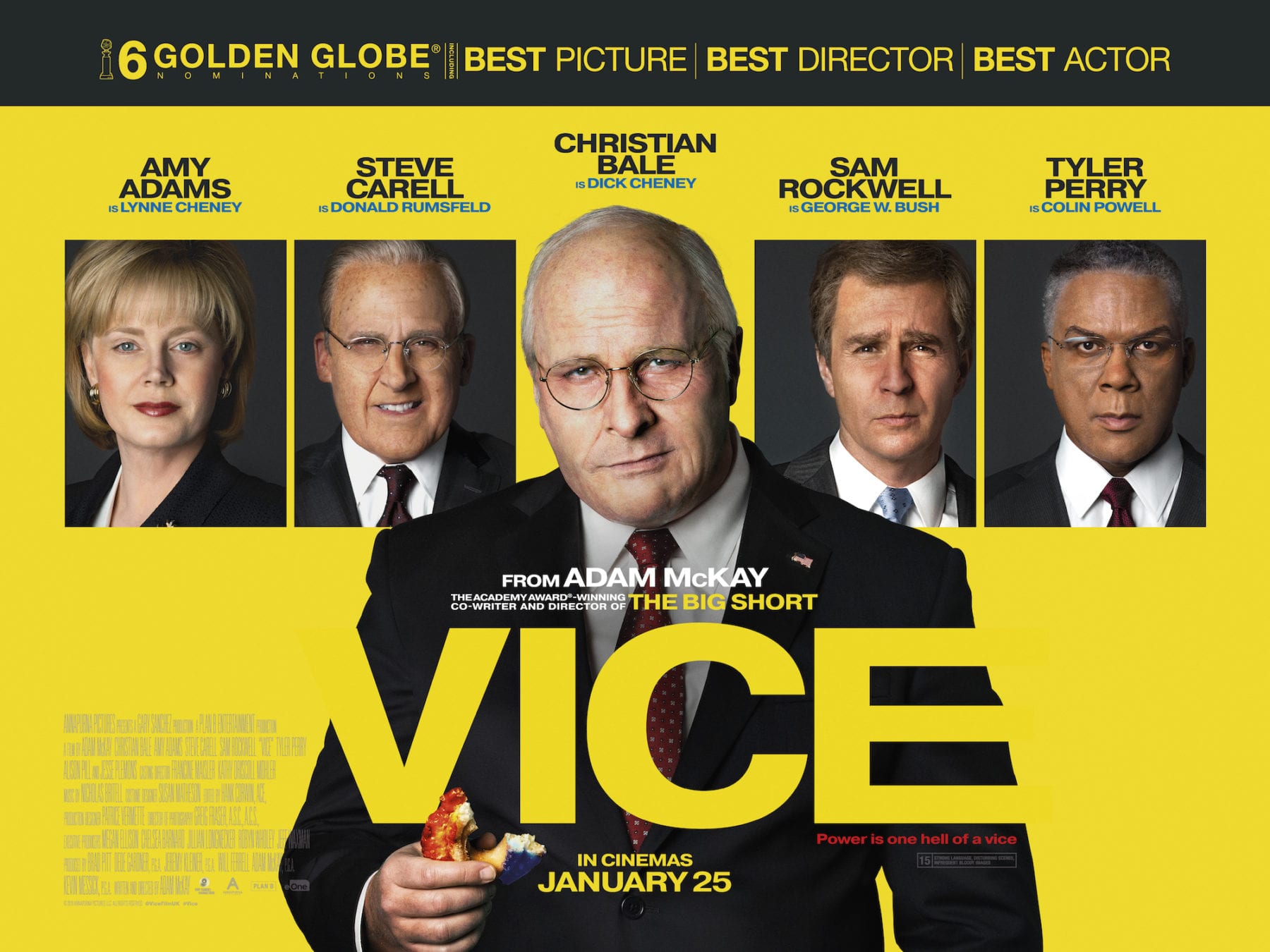


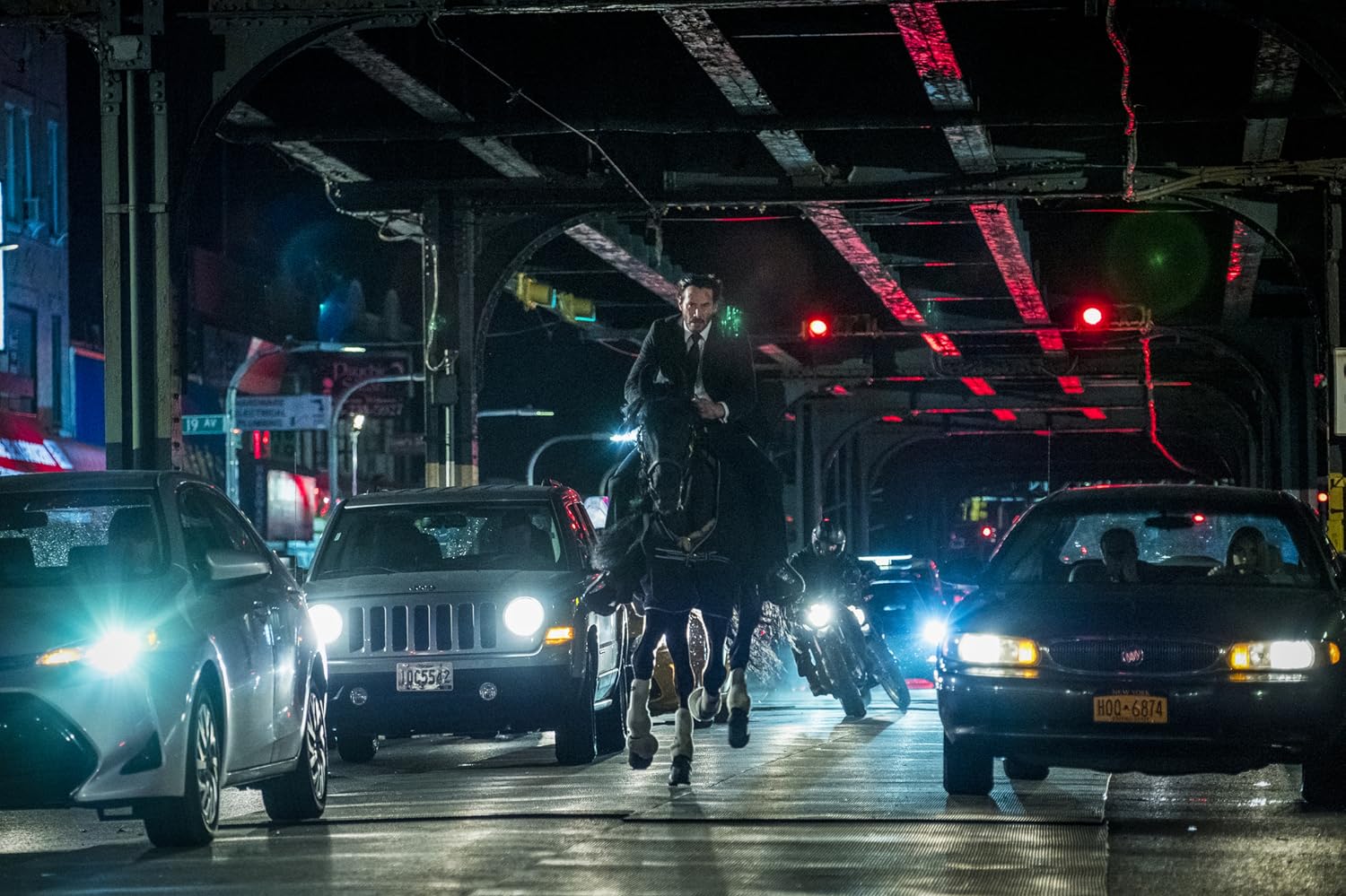


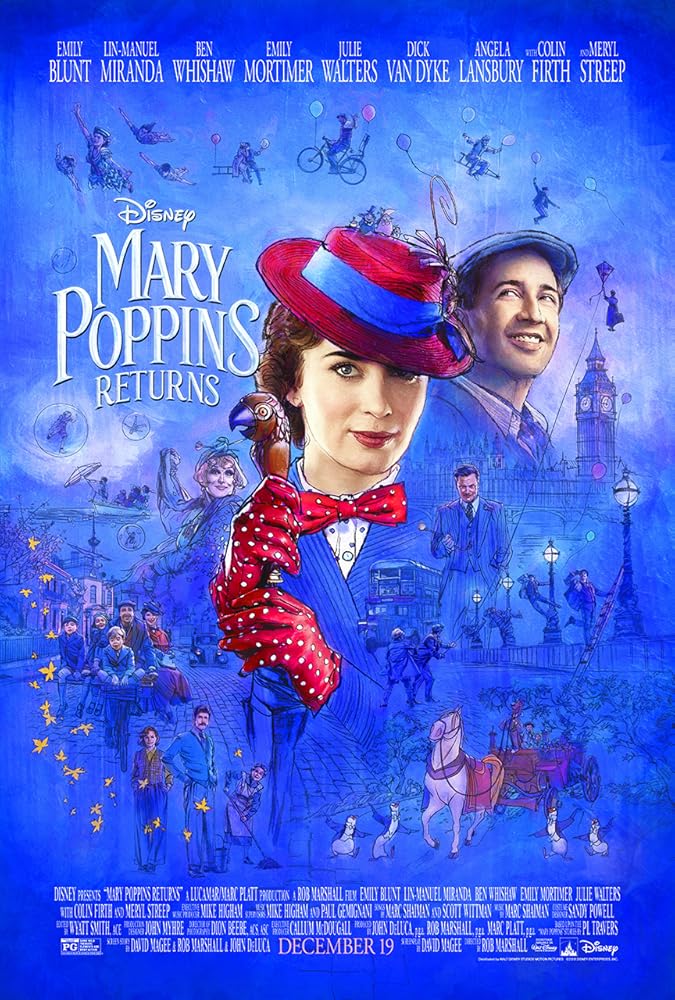
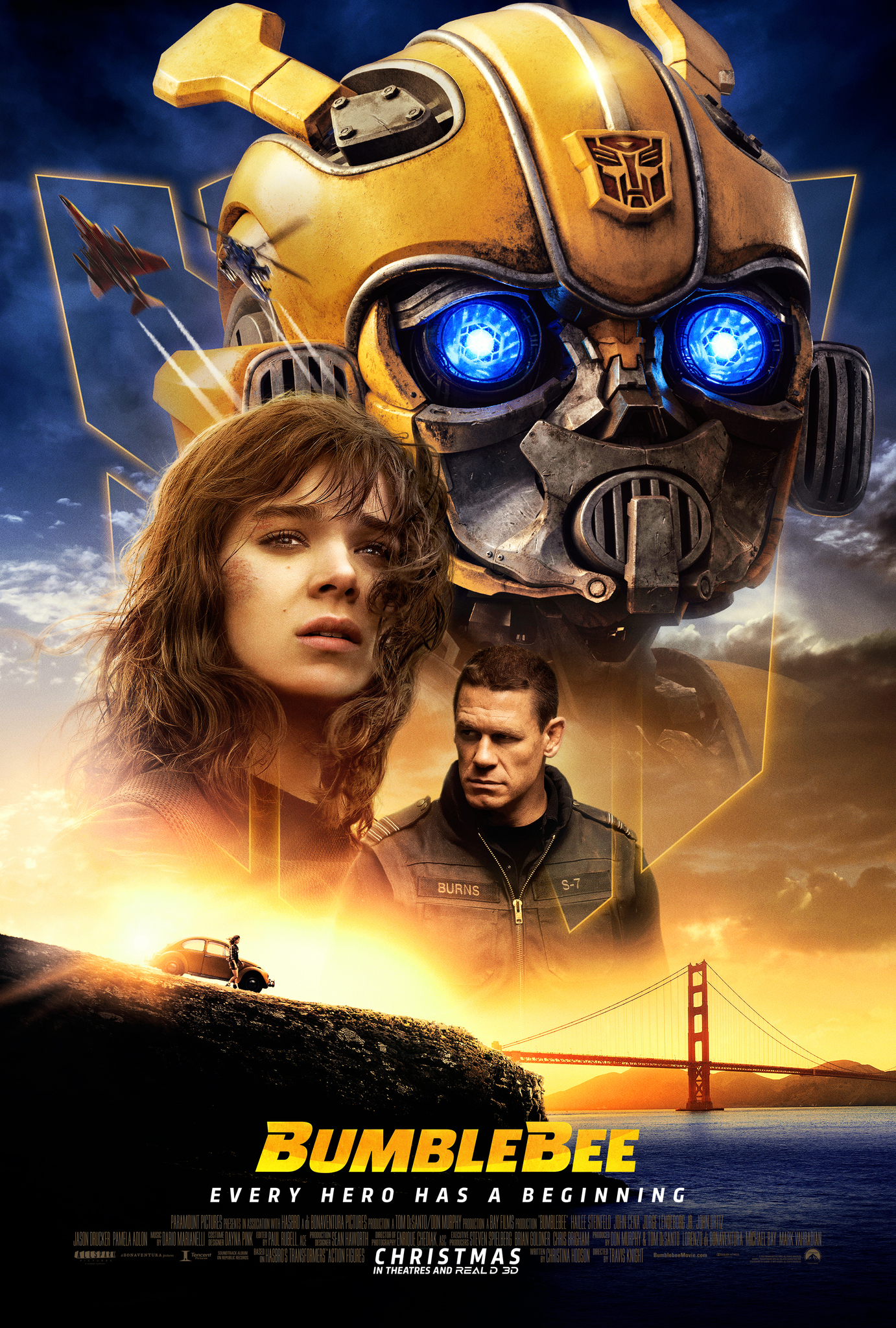
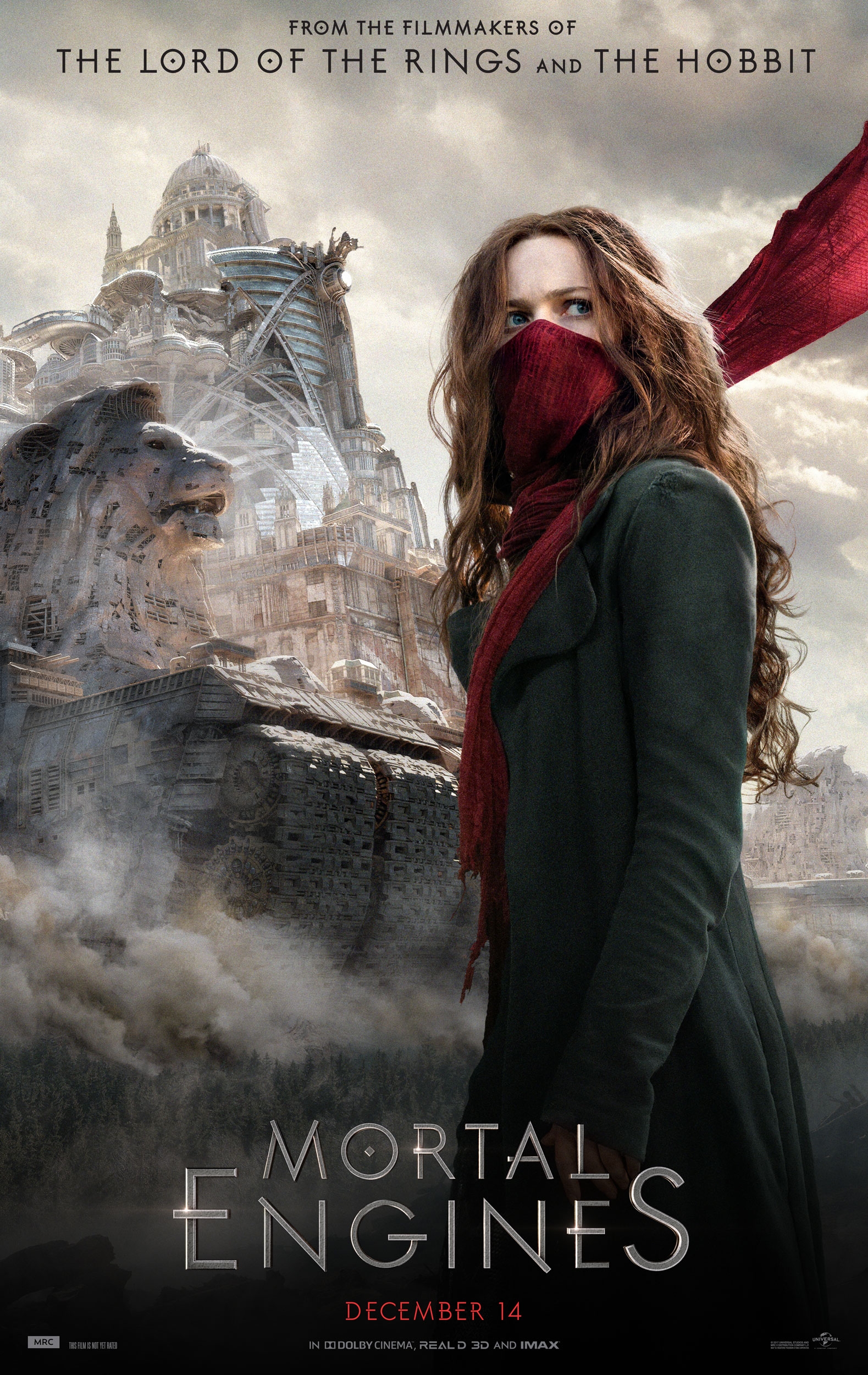
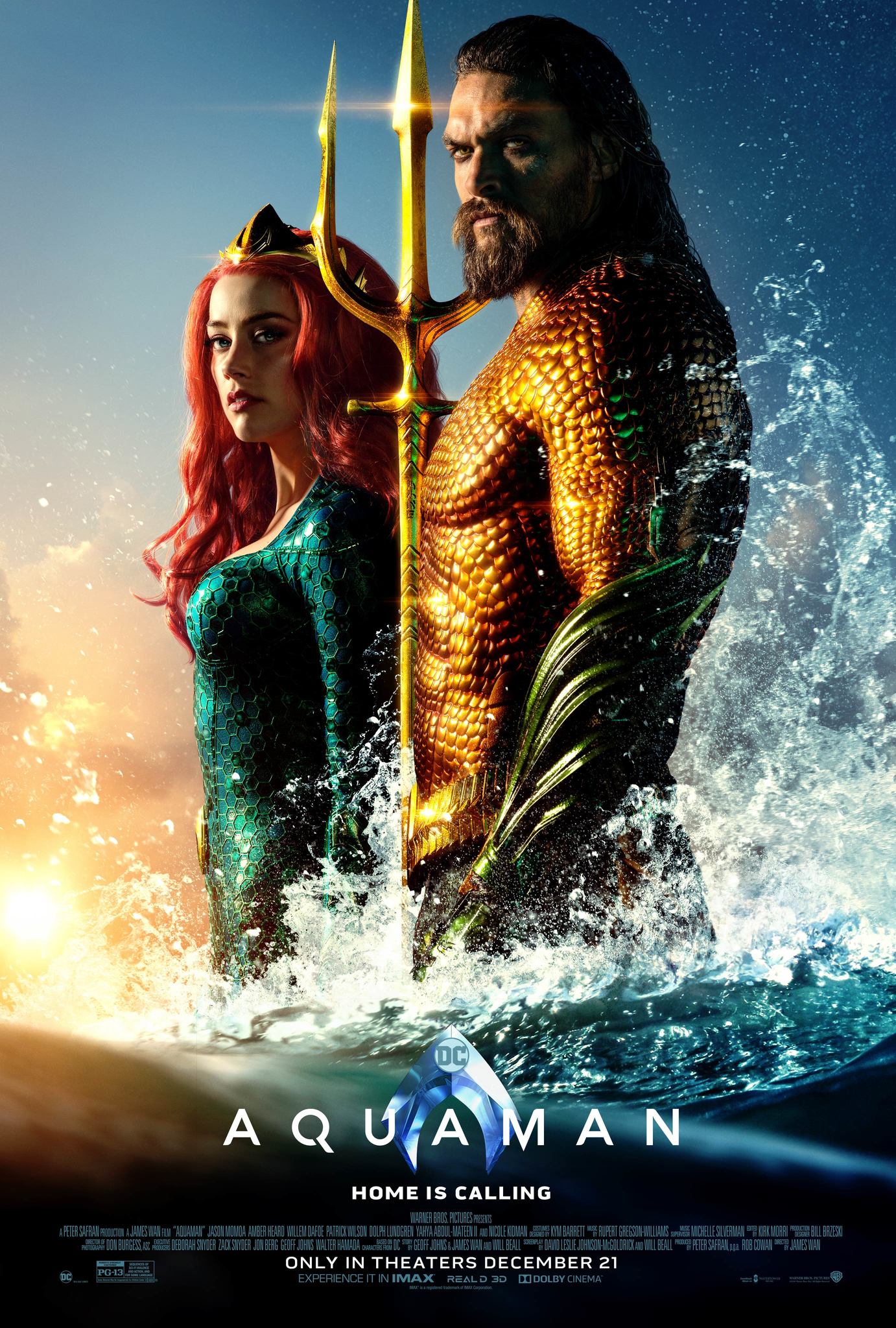
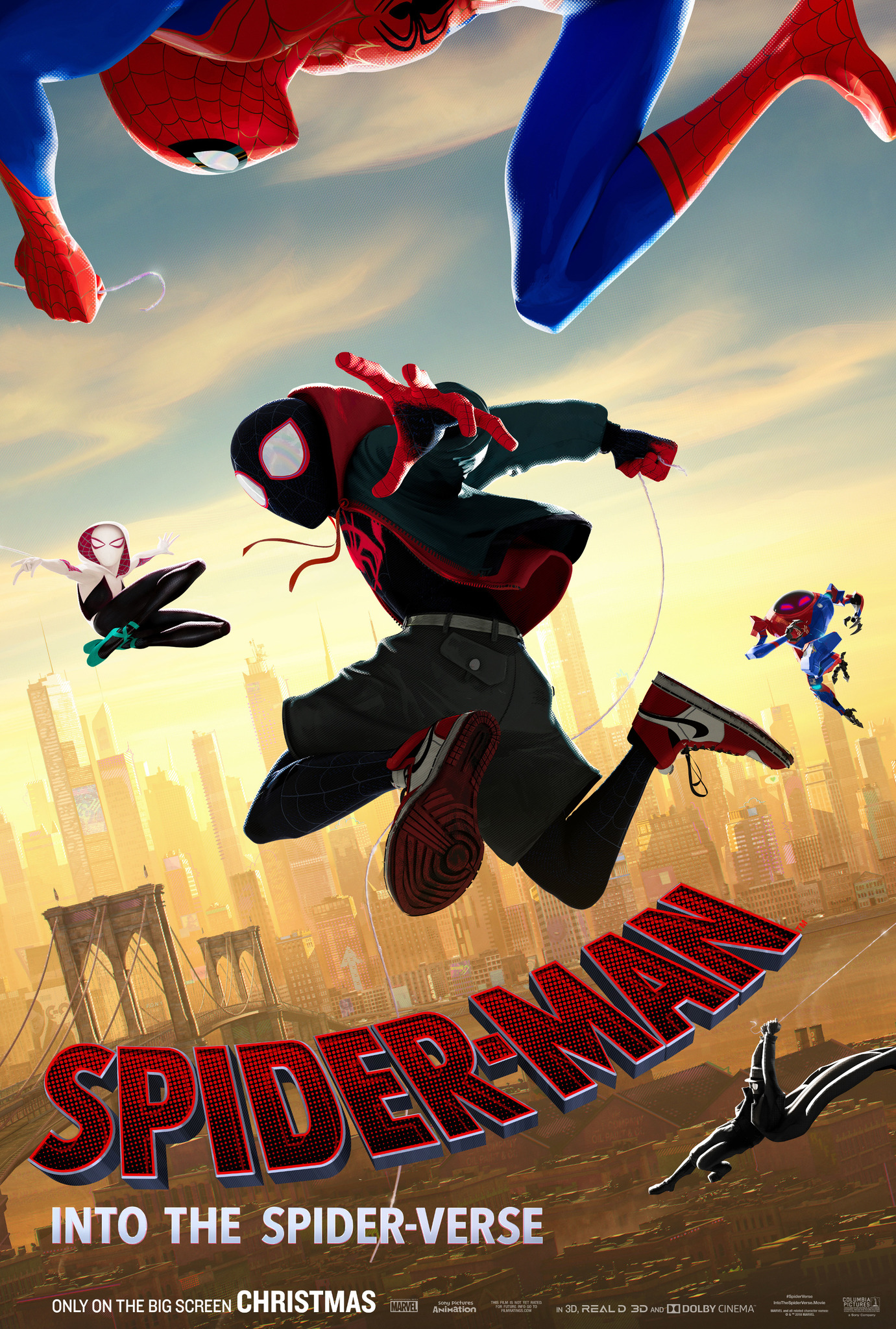


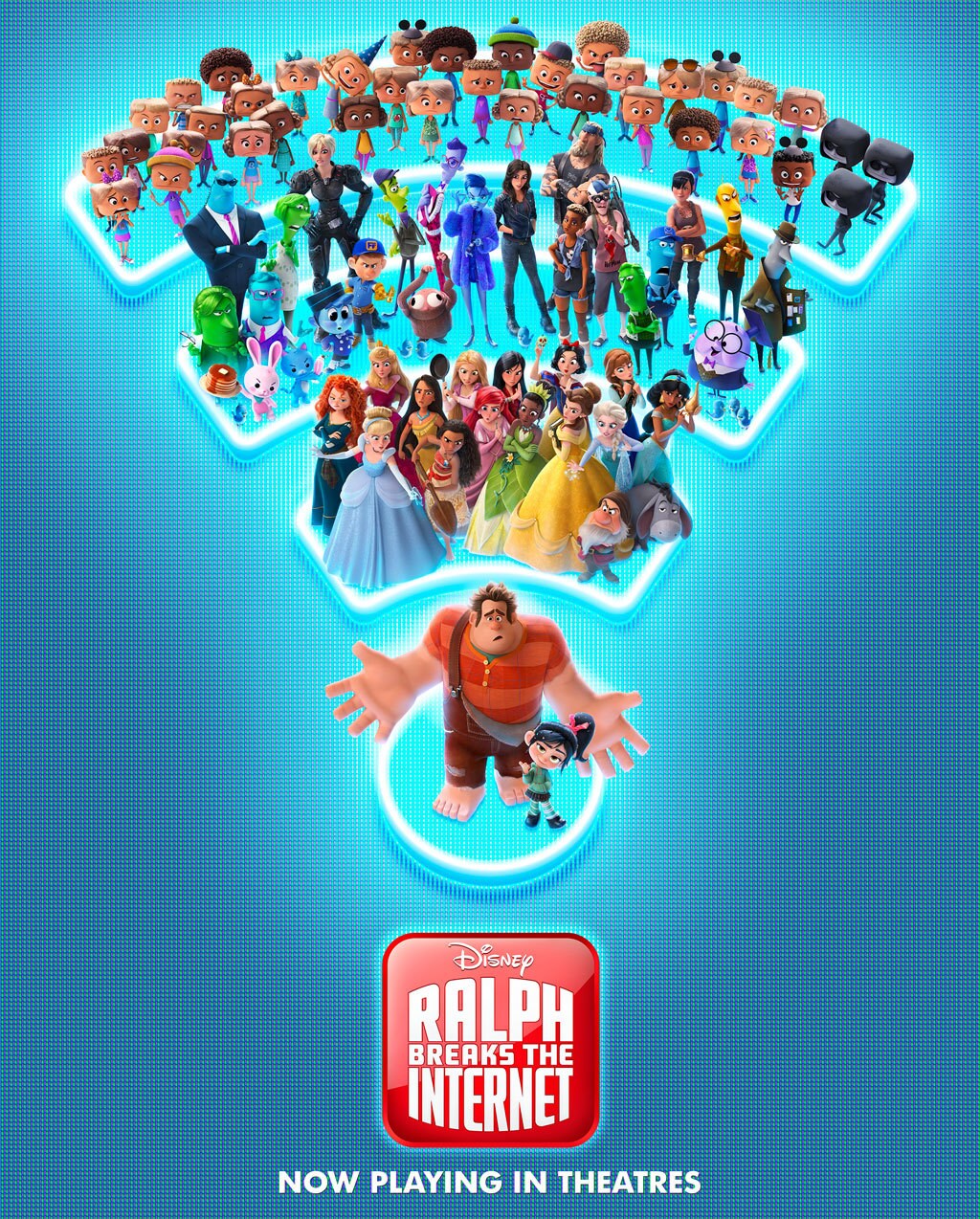
 Alternative Lens