Starring: Tom Hiddleston (Thor), Samuel L. Jackson (Pulp Fiction), John Goodman (10 Cloverfield Lane), Brie Larson (Room), Corey Hawkins (Straight Outta Compton), Jiang Tan (The Great Wall), John C. Reilly (Guardians of the Galaxy)
Director: Jordan Vogt-Roberts (The Kings of Summer)
Writers: Dan Gilroy (Nightcrawler) and Max Borenstein (Godzilla) and Derek Connolly (Jurassic World)
Runtime: 1 hour 58 minutes
Release Date: 9 March (UK), 10 March (US)
King Kong movies haven’t changed all that much since 1933, and the ones that have attempted to shake up the formula generally don’t end up so good; I mean, just look at King Kong Lives. It always come back to the same beauty and the beast story about man’s effect on nature, and though Kong: Skull Island does touch on some of those themes it mostly forges it own path. This is a Kong film firmly made for this generation and, though it doesn’t quite achieve the status of some of its progenitors, it’s still a fun time at the movies.
Skull Island doesn’t connect in any way to the 1933 original or the 2005 Peter Jackson remake, so no need to swot up on your Kong lore. It is, however, set in the same universe as 2014’s Godzilla though, other than the presence of the monster-hunting organisation Monarch and a post-credits scene, the connection is pretty minimal. There is some inspiration taken from previous Kong stories, but overall this is an entirely new tale that crafts its own unique mythology for the titular ape and island. Though the movie mainly evokes Apocalypse Now through its 1970s setting, plot-wise the film is essentially Predator: after a shady military operation goes wrong, our heroes have to survive unknown horrors as they are slowly picked off on their way to a rendezvous point. The film avoids the mistake Godzilla made and gets into the action within the first act, keeping up the momentum going from there with new challenges to face and monsters to battle. There are no attempts here to hide the monsters in favour of generic human drama; what you paid to see is there on full display. By the film’s conclusion, nothing particularly profound or important has been gleaned, but it is damn entertaining whilst it lasts.
The film does falter similarly to Godzilla in one major category, and that is its characters. However, underdeveloped as they are, what is there is far more interesting than the banal and clichéd family story that drove the previous film. The main problem with the characters isn’t so much the sheer number of them, because they’re all played by fantastic actors who’ve managed to scrape up just enough character depth between them to remain compelling. The real problem is that there’s no clear protagonist amongst them, so it’s hard to really know who we’re supposed to be rotting for. Tom Hiddleston’s Conrad seems like he’s supposed to be our viewpoint, but much of his personality is shrouded in stoicism and he just comes across as a generic tough guy; he’s like an early Arnold Schwarzenegger character but without the physique to convince you. Brie Larson’s Mason seems like an ideal focus being the most out-of-place character, perfectly setting her up to be a more proactive equivalent to Ann Darrow from the original, but the film has little for her to do other than take pictures and contemplate the futility of war. John Goodman is given some interesting set-up with his backstory connection to Kong but the movie quickly runs out of things for him to do, and you know Toby Kebbell is doomed from the moment you see him writing a letter to his kid.
There are, however, some bright spots in the cast. There’s some good Predator-esque banter amongst the grunt soldiers in the group, particularly between Jason Mitchell and Shea Whigham’s characters, and John C. Reilly makes for entertaining comic relief/plot expositor as an out-of-touch WWII pilot who has just enough genuine pathos to avoid being overly kooky. The real star of the show however is Samuel L. Jackson as Packard, receiving the most set-up and development of anyone in the cast as a career soldier with nothing to live for other than his troops. His crazed obsession with taking revenge of Kong is what really drives the movie, bringing back in the man vs. nature themes the franchise has always had and some much needed interpersonal conflict amongst our characters. But of course I must mention Kong himself who, though having far less direct contact with the human characters than previous portrayals, does get across a lot through simple body language. He, like the new Godzilla, is treated more like a force of nature, but the fact he can more clearly emote and has more ample screen time makes him a compelling presence even when he’s not kicking ass.
Speaking of which, said ass-kicking is what ultimately makes Kong: Skull Island worth the ride. There are no attempts to hide the action through documentary-style filmmaking or setting everything at night or in the rain. All of the Kong fights are shot in broad daylight with the camera pulled back to allow you to witness the carnage without obstruction. There are plenty of moments where we witness these battles from the human perspective, like our characters’ first encounter against a skullcrawler, but it’s used only to create scale rather than as a crutch; unless the human characters are involved, the filmmakers let us watch the fight unhindered. The creature designs and the CGI used to create them is also fantastic, eschewing the traditional “normal animals, but bigger and scarier” in favour of unique beasts like a spindly giant spider that can disguise its legs as bamboo or a bizarre insectoid log monster. The detailed sound design for Kong and these creatures really immerses you into the environment, especially if you see this in a theatre with good surround sound, and Henry Jackman’s score is suitably foreboding and thunderous. In contrast, the constant use of period rock music every other scene quickly becomes grading; I don’t need Creedence Clearwater Revival constantly playing in the background to understand it’s the 70s.
Though Kong: Skull Island doesn’t have the most complex narrative or compelling characters, it has just enough to pass and then more than compensates with the creativity of its world building and engaging action set pieces. It lacks the historical significance of the original or the emotional heart of the Jackson remake, but I’m glad to see a King Kong movie that can move beyond the well-worn story of the past and do something new with the mythology. It’s a marked improvement over Godzilla by simply not taking itself as seriously, focusing instead on what a giant monster movie should be: entertaining. There’s still some improvement to be done, but hopefully come the inevitable point when Kong and Godzilla finally come to blows, it’ll be a clash worth waiting for.
Starring: Daniel Kaluuya (Sicario), Allison Williams (Girls), Bradley Whitford (The Cabin in the Woods), Catherine Keener (Being John Malkovich), Caleb Landry Jones (X-Men: First Class)
Writer/Director: Jordan Peele (Keanu)
Runtime: 1 hour 43 minutes
Release Date: 24 February (US), 17 March (UK)
Like with all genre pictures, horror movies are at their best when they are about something. When one uses its tricks and scares to say something about the world whilst simultaneously creeping you out, you know you are watching something with far greater intentions than making a quick buck. Get Out is certainly one of those films, using the style and tropes of horror films to make a fresh and timely comment on modern subconscious racism.
Get Out clearly wears its references on its sleeve, taking cues from The Stepford Wives and Guess Who’s Coming to Dinner amongst others, but they never feel like a direct lift. Instead, the film uses similar concepts and iconography to tell a story all its own that reflects our present rather than the sources’ past. It follows a typical horror movie structure but it doesn’t try to constantly shock you as most modern flicks would. Instead, the tension is gradually but painfully eked out of you through a growing sense of discomfort through everyday racial awkwardness. It’s a situation many of us can relate to no matter which side of the embarrassment you usually fall on, and through the constant tightening of this situation the true horror is revealed. This slow build before an inevitable bloody release reminded me a lot of the original Texas Chain Saw Massacre, whilst the clever planting of hints throughout the story clearly owes a lot to the works of Edgar Wright. The third act is perhaps a little abrupt and leaves you wanting more, but that seems to be its intention. By denying you a definitive conclusion, it leaves that air of unease on you even as you’re leaving the theatre.
Acting in horror movies can often been seen as an afterthought, but in Get Out they are almost exclusively what drives the terror. Daniel Kaluuya as Chris is a star-making turn playing the fish-out-of-water in a very intimidating ocean. He does a great job of rationalising and staying calm in such a potentially scary situation, making him a believable character whilst also making a comment on typical horror movie protagonists; he’s not totally oblivious to his predicament. Allison Williams as girlfriend Rose is also excellent, caught between supporting Chris and rationalising the inappropriate behaviour of her parents. Bradley Whitford and Catherine Keener are fantastic as said parents, especially Whitford in the way he so calmly and confidently says insensitive things or appropriates Ebonics. Caleb Landry Jones feels a little needless as Rose’s brother Jeremy, crossing the line a little to far into traditional racism rather than everyone else’s subdued approach, but it’s not enough to sour the experience. There’s some great supporting work also from the likes of Keith Stanfield and Stephen Root, but the real show-stealer is LilRel Howery as Chris’ best friend Rod. He provides some much needed comic relief, essentially acting as the voice of the audience, whilst also demonstrating an intelligence rarely seen by horror movie characters; he’s like Randy from Scream, but without having to be annoyingly meta.
Many were confused to see Jordan Peele put his comedic career aside to make a horror movie as his directorial debut, but not only does his love for the genre shine through but his comedy chops prove easily translatable. Like a great joke, a great scare requires strong set-up, effective timing and a big payoff, and Peele clearly understands both. The atmosphere of unease is created masterfully, making a seemingly pleasant country home as scary as any haunted mansion and makes creepy iconography out of the most everyday things; you’ll never look at teacups the same way again. The score by Michael Abels is also very effective, often evoking a similar eeriness to Mica Levi’s work on Under the Skin but also able to adapt to the more mundane scenes.
Get Out is a modern horror masterpiece up there with other recent classics of the genre like It Follows and Don’t Breathe. It mines its relevant topic to the core to create a disturbing but thought-provoking and entertaining experience like no other. Jordan Peele has surprisingly revealed himself as a new potential master of horror, and if he can follow up this debut with equally impressive features then he could go all the way to the top.
Starring: Hugh Jackman (Prisoners), Patrick Stewart (Star Trek: First Contact), Dafne Keen, Boyd Holbrook (The Skeleton Twins), Stephen Merchant (I Give It a Year), Richard E. Grant (Withnail & I)
Director: James Mangold (3:10 to Yuma)
Writers: Scott Frank (Minority Report) & James Mangold and Michael Green (Green Lantern)
Runtime: 2 hours 17 minutes
Release Date: 1 March (UK), 3 March (US)
It’s kind of hard to believe that fans didn’t readily accept Hugh Jackman when he was cast as Wolverine nearly two decades ago. Now on his ninth portrayal of the character, he is practically bonded to him. But inevitably it becomes time to move on and, rather than let age or apathy bring an end to the character, Jackman has decided to definitely conclude his story with Logan. The final result is not only the best solo Wolverine movie, but also a unique and captivating film in its own right that stands apart from the rest of the superhero genre.
Picking up sometime after the events of X-Men: Days of Future Past, Logan quickly sets the tone with its sun-scorched landscapes, resentful characters, frequent profanity and abundance of gore; this certainly ain’t one for the kiddies. It has far more in common with films like Children of Men and Hell or High Water than it does with any X-Men film, but that bleak grounded approach feels fitting for what is this character’s last mission. The story itself is a relatively straightforward road movie for our protagonists to meet new characters, flee from the bad guys, and ultimately bond over the course of the journey. The story flows as you’d expect and there aren’t any particularly big twists (especially if you’re a fan of the comics), but this is ultimately a character-focused movie and the simple plot does everything it needs to do to support that. This is easily the best character study of a superhero since Batman Begins, and it accomplishes a far more weighty examination of a hero on his last legs than The Dark Knight Rises. It’s a superhero film far more driven by atmosphere and emotion than action, delivering moments of anguish and depth superior to most Oscar bait, and so if you’ve been following this franchise since the beginning there is a more than likely chance you’ll get a little teary-eyed towards its conclusion. I certainly did.
Hugh Jackman has made the character of Wolverine his own now, and his performance in Logan is easily his finest as the character yet. Jackman does an excellent job of creating a Logan that is tired, bitter and fed up with his own existence. He’s finally given the opportunity to go all out on the berserker front, delivering a performance that is equally the most comic-accurate portrayal but also the most human and nuanced; he’s definitely justified with calling it quits on this high note. Also returning for the last time is Patrick Stewart in an incredibly unorthodox portrayal of Professor X that rivals Jackman’s on the tragedy scale. He is broken in more ways than one and far from the eternal optimist he was back in 2000, but underneath is still the Charles Xavier we know and love and Stewart pulls on those heartstrings more than effectively. The rest of the supporting cast all do a good job but aren’t always utilised to their full potential. Stephen Merchant’s Caliban serves as some good comic relief early on but his importance to the story gradually fizzles away, and though Boyd Holbrook and Richard E. Grant are suitably slimy as the villains of the piece there isn’t exactly much depth to them; by the time they start getting interesting, the movie’s almost over. However, Logan’s breakout star is easily Dafne Keen as the mysterious Laura. Keen accomplishes a lot through very little dialogue, nailing both the young innocent girl in need of a father figure and feral wild child sides of the character equally. If they ever announce a spin-off with her in the lead, I’m going to be first in line.
Fans have been clamouring for a true R-rated Wolverine movie for years and Logan more than delivers on that sadistic need. It’s arguably even more graphic than Deadpool with the amount of bloodshed on display, but it all feels appropriate given the bleak tone. The action sequences aren’t always the most imaginatively staged or filmed, occasionally falling prey to too many quick cuts, but the excessiveness of the violence more than makes up for it. Without all of the superpowers it’d be easy to mistake Logan for an indie film, as the gritty cinematography and rundown production design creates a near-future USA that feels all too inevitable. Marco Beltrami’s score is suitably dour and western-influenced, and the soundtrack choices echo that ambience equally too; placing a Johnny Cash song on it almost feels too perfect.
Logan is easily the best superhero film of its kind since The Dark Knight, finding that suitable balance between escapism and verisimilitude to create a grim but thoroughly entertaining movie. This is the Wolverine story fans have wanted to see on screen all along, and the filmmakers are to be commended for taking the character to this difficult but necessary place. Even if another actor succeeds him sooner or later, Hugh Jackman‘s performance here makes him now and forever the definitive Wolverine alongside other superhero icons like Christopher Reeve and Robert Downey Jr. If the X-Men franchise as we know it called it quits here I’d be more than satisfied, but if it has to continue I hope they find ways to be as uniquely different from Logan as it has from its X-Men forbearers.
Like a lot of other things these past twelve months, 2016 in film wasn’t at its greatest. It was a year of disappointments and mediocrity for the most part, and then a lot of the really great films didn’t find an audience and died at the box office. But now’s a chance to redeem the year. As I traditionally do, collected here are all my favourite films from the past twelve months, ordered by how much I personally enjoyed them. This isn’t me telling you which films are technically best or did the most to further the craft. This is me relaying to you which films impacted me the most, and why I think you should give them a watch if you haven’t already. So, without further preamble, let’s get started!
Honourable Mentions
Everybody Wants Some!!
Eye in the Sky
Deepwater Horizon
Florence Foster Jenkins
Popstar: Never Stop Never Stopping
25. The Witch
A surreal and wholly original horror film, The Witch may not be to everyone’s taste but, if you like your scares subtle and haunting rather big and gory, then it’s definetely one to check out. The film’s grim and beleaguered atmosphere, combined with the strict attention to historical detail, creates an distinctively uncomfortable environment and makes you question whether these horrid events are feats of the supernatural or just paranoid insanity. Anchoring the film is the tremendous lead performance by Anya Taylor-Joy, and if this and Split are any indication then we may have a new scream queen for the ages on our hands.
24.The Conjuring 2
Making an effective horror sequel is damn tricky, but James Wan has managed to do just that with The Conjuring 2. In many ways it is the same film as its predecessor, but by changing up enough like the setting, the character dynamics, and the nature of the haunting, it balances that line between being an original film and connecting itself back to the first movie just right. The scares are solidly crafted, aided by expert cinematography for the right amount of tense atmosphere, but the characters are detailed and likable too; when’s the last time you could say that about a horror movie? If Wan and company plan to keep going with the adventures of the Warrens, I’m all for it.
23.Hell or High Water
Probably the best contemporary Western of its kind since No Country for Old Men, Hell or High Water takes a fascinating look at oft-forgotten Middle America and explores the desperation measures two brothers will take to ensure their family’s future. Chris Pine and Ben Foster give career-best performances as our bank robbers out to fight the system, and Jeff Bridges’ role as a sort-of mash-up between Rooster Cogburn and Samuel Gerard makes for a compelling and sympathetic opposing force. It’s a film that feels more necessary than ever in our current financial state, and will maybe even make you understand why that part of the world is as bitter towards the coastal states as they are.
22.The Jungle Book
Disney’s experiment of remaking their classic animation library into live-action adventures not only finally produced a genuinely good movie, but one that is perhaps even better than the film that inspired it. The Jungle Book is a marvellous movie that can be appreciated purely for its technical excellence in combing live action with CGI, perhaps even surpassing Avatar in terms of seamlessness, but it also manages to make a coherent story out of what used to be a series of vignettes. Neel Sethi is an amazing discovery as our lead Baloo, and the fantastic supporting cast from Bill Murray and Ben Kingsley to Idris Elba and Christopher Walken are equally excellent. Now it’s all up to Beauty and the Beast to prove whether this was just a fluke or a new beginning for this series of sorts.
21.Sausage Party
Seth Rogen and company take a hilarious stab at parodying the Disney/Pixar classics in this raunchy but surprisingly deep animated comedy. The best film of its kind since Team America: World Police, Sausage Party doesn’t pull any punches with its humour and manages to make some valid points about religious belief and the hard choice between the easy lie and the harsh truth. The animation itself may not be the most polished but its comedic ambitions more than make up for it, and that penultimate scene would easily be the most graphic thing ever put on cinema screens if it weren’t all just a bunch of cartoon food.
20.Star Trek Beyond
Learning from all the missteps of Into Darkness, Star Trek Beyond tells a new and exciting tale for the crew of the Enterprise that finally manages to find the perfect balance between classic Trek social commentary and new-school action blockbuster. Justin Lin injects the film with his Fast & Furious flavour without at all diluting the traditional sci-fi experience, and the entire returning crew is as fantastic as ever along with exciting newcomers like Idris Elba and Sofia Boutella. It’s fun, it’s thought-provoking, and it’s a fitting tribute to both the entire series for its 50th anniversary and to the late Leonard Nimoy and Anton Yelchin.
19.Manchester by the Sea
One of the more simple and authentic stories on this list, Manchester by the Sea is a film purely about human drama and it wrings out every possible ounce it can. Casey Affleck has never been better as a dangerously depressed man placed in the last position he wants to be in, but he’s also ably supported by a star-making turn from Lucas Hedges and a small but powerful turn by Michelle Williams. It’s a relatable and sombre tale about loss and rebuilding that doesn’t necessarily agree with the notion that all wounds heal, but even amidst the bleakest darkness lies a glimmer of light.
18.Doctor Strange
The Marvel Cinematic Universe continues to expand into more of its crazier dimensions, and Doctor Strange managed to make all of its mystical madness accessible whilst delivering one of best standalone stories in the franchise thus far. The trippy visuals alone make it one of the most spectacular cinema experiences of the year, perfectly capturing the psychedelic artwork of co-creator Steve Ditko, but it was also strengthened by a simple but well-crafted story and a stellar cast led by a wonderfully arrogant turn by Benedict Cumberbatch. After now introducing magic into this series, how much weirder can the Marvel movies get? Oh, Guardians of the Galaxy Vol. 2 has Kurt Russell playing a literal planet? OK, it can get weirder!
17.Silence
Martin Scorsese moves out of his typical crime tales and gives us this harrowing tale more in the vein of his Kundun or The Last Temptation of Christ. Silence is a bold and gut-wrenching look at how far one man can take his dedication to his faith, showing both the sacrifices that must be made but also the hope it brings. It doesn’t paint either side in clear colours, and by the end you may find yourself rooting for the Japanese just so the torment can stop. With both this and a certain other film later on this list, Andrew Garfield reaffirms his place as an actor to be taken seriously with his haunting performance, and the supporting turns from Adam Driver and Liam Neeson help strengthen what is already a solid core. It’s not for everyone and I doubt I’ll see it again, but the one experience alone will last me a lifetime of thought.
16.Lion
Lion may essentially be the longest and most brilliant advertisement for Google Earth ever, but it also tells a heartfelt and inspiring story about an impossible search. Dev Patel, Rooney Mara and Nicole Kidman all give fantastic performances, but it is newcomer Sunny Pawar who shines brightest as the young Saroo who loses his family in unbelievable fashion. It’s a beautiful film that captures the feel of India similarly to Slumdog Millionaire but with a little less whimsy, and the final moments alone make the entire journey so worth it.
15.Hidden Figures
An uplifting and inspiring true story finally brought to the forefront, Hidden Figures would have been fascinating if it had focused on the scientists behind the Space Race alone, but making it about oft-overlooked figures like Katharine G. Johnson and Dorothy Vaughn makes it all the more important. Taraji P. Henson provides a wonderful and overlooked lead performance as Johnson, alongside the equally talented Octavia Spencer and Janelle Monáe as Vaughn and Mary Jackson respectively. The movie drives home an important message about the necessity of equality for humanity to reach its peak, and finally gives these unsung heroes the respect they deserve.
14.La La Land
Whilst not as strikingly brilliant as his debut feature Whiplash, Damien Chazelle’s La La Land is a beautiful and welcome homage to the Hollywood musicals of old that also modernises them for the cynical age we now live in. Emma Stone and Ryan Gosling perfectly embody the chemistry of the classic on-screen couples but in a far more honest light, focusing more on the struggle and torment of following your dreams than the glamour of making it. It finds that rare balance between being nostalgic and realistic, crafting a film that is the cinematic definition of bittersweet but in a good way.
13.Kubo and the Two Strings
Laika may continue to be unappreciated by modern audiences, but that doesn’t mean their achievements in animation should go unnoticed. Kubo and the Two Strings is a beautiful piece of filmmaking that combines all the elements of great animation, both storytelling and production-wise, to craft what may be the company’s most spectacular feat yet. The art style alone is enough to suck you into the world, but the endearing characters and sweet messages about the power of compassion and memory make it so much more than just an impressive feat of animation. If you haven’t seen it yet, pick it up and make sure this one doesn’t become forgotten.
12.Rogue One: A Star Wars Story
Rogue One proves Star Wars has legs outside of the core saga films, meaning we are bound to get more and more trips to the galaxy far, far away in the near future. Taking a distinctly different approach to the universe whilst still remaining quintessentially Star Wars, this is the first film in the franchise that really feels like it was made for adult fans, but the charm and humour of the series is there just enough for the young ones; see, George, this is how you do it! It doesn’t quite have the heart and character of the saga films, but it more than makes up for that with some of the best action sequences the series has ever offered and fan service done the right way. If all future spin-offs can be at least this good, I’m happy for as much Star Wars as they can manage.
11.The Nice Guys
Shane Black. Need I say more? The Nice Guys is the summation of every achievement in Black’s career, sticking to his formula dating way back to his origins creating Lethal Weapon but infuses it with both a modern filmmaking touch and a 1970s sheen of neon and excess. Russell Crowe and Ryan Gosling are a duo worthy of the writer/director’s incredible legacy of double acts, bouncing off each other dramatically as well as comically, but newcomer Angourie Rice often steals the show from her elders in one of the best child performances in recent memory. But more than anything, The Nice Guys is just a lot of fun, and if you missed it in theatres then there is no better time to catch up than now.
10.Hunt for the Wilderpeople
Taika Waititi’s comedic tale of a young delinquent and his foster father surviving in the wilderness of New Zealand is a film that could have only come from such a unique and talented voice. Julian Dennison is a revelation as the rough but lovable Ricky, and Sam Neill’s performance as his coarse guardian Hector is easily the best he’s given in years. It has a scale and confidence only hinted at in Waititi’s earlier films, as the film expands from a small-scale story to what seems like a country-wide manhunt; comedies rarely ever attempt this absurd level of scale anymore. It’s a gem I hope more people will discover over the years, and I can’t wait to see what Waititi can bring to Thor: Ragnarok this autumn.
9.Zootopia
Disney has been pushing back against their clichés in their recent animated efforts but Zootopia (or Zootropolis, whatever you want to call it) is the first to go beyond that and challenge relevant real-world problems instead of their own antiquated logic. What could have been a safe family picture gradually reveals itself as a call for socio-political re-evaluation; a message of a brighter future for kids to aspire to and adults to reflect on. The year that followed from this film only reaffirmed how much this is a real issue, but that only makes the film’s themes even stronger. On top of being funny, creative and heart-warming, Zootopia is an animated film that means something beyond just entertainment, and it’s one I can see myself revisiting over and over again.
8.Don’t Breathe
The most thrilling and gut-wrenching film of its kind since Hard Candy, Don’t Breathe shows how much promise Fede Alvarez has as a director when not shackled to the expectations of remaking Evil Dead. It’s an incredibly simple film but executed with such precision and grit; it’s like a Hitchcock or De Palma film but made with the aesthetics of early Tobe Hooper. Jane Levy cements her status as a modern scream queen, and Stephen Lang’s performance as The Blind Man quickly ranks him among the best horror villains in recent cinema. Why? Because he seems all too real. 2016 wasn’t a great year for film in general, but it was pretty good for horror and Don’t Breathe easily takes the crown amongst a crop of worthy contenders.
7.Captain America: Civil War
The Captain America films just keep getting better and Civil War is not only the finest of that sub-series so far but also one of Marvel’s best movies to date. Bringing together so many corners of the universe and yet still managing to make it a tight, character-focused story is incredibly impressive, and the film continues The Winter Soldier’s political angle with interesting contemplations on government interference in foreign conflicts, the use of emergency powers, and moral duty versus need. The introductions of Black Panther and the new-and-improved Spider-Man add whole new dimensions to the franchise going forward, and it ends on a note that once again leaves the rest of the MCU in an uncertain place. Avengers: Infinity War is going to have to try its damndest to top this, but in the hands of the Russo brothers I have all the confidence I can give.
6.Hacksaw Ridge
To quote South Park, “Say what you want about Mel Gibson, but the son-of-a-bitch knows story structure!” Gibson returns to the director’s chair in what is undoubtedly a Mel Gibson film through-and-through, but one that is as heartfelt and inspiring as it is violent and harrowing. This is a classic, beautifully told story of a conscientious objector holding onto his values in the face of insurmountable odds, and the nightmarish depictions of war only Gibson could provide drive home the man’s struggle. Andrew Garfield delivers a career-best performance as Desmond Doss, holding the film on his optimistic shoulders throughout every grisly but engrossing action sequence, as well as some surprisingly strong supporting performances from the likes of Vince Vaughn, Teresa Palmer and Hugo Weaving. This is a movie so good, it makes Sam Worthington seem compelling; now that’s an impressive feat!
5.Moonlight
It’s hard to say a lot about Moonlight. It’s just one of those movies you have to experience to really understand the full impact. Possibly the most daring and imperative coming-of-age tale in decades, Moonlight shines a spotlight on the ugly sides of adolescence and paints a picture of a boy struggling with intense pain, confusion and denial. The lead performances of our protagonist over the years by Alex Hibbert, Ashton Sanders and Trevante Rhodes are all uniformly excellent, but the film is truly made powerful by the supporting turns by Mahershala Ali and Naomie Harris, along with the beautiful direction courtesy of Barry Jenkins. This isn’t just another self-important drama. This is era-defining cinema at its finest.
4.Arrival
Prisoners. Enemy. Sicario. With a filmography like that, was there any doubt that Denis Villeneuve’s Arrival would be anything less than spectacular? This exploration into the nature of communication, co-operation and the concept of time is a thought-provoking and challenging experience that could not have been released at a more relevant time. Amy Adams, who was robbed of an Oscar nomination in my opinion, takes the lead in perhaps her finest performance to date, but ultimately this is Villeneuve’s film and he imbues it with so much atmosphere and tension that there is never a dull moment. That’s impressive for a movie mostly consisting of scientists communicating with aliens via flash cards and Rorschach blots.
3.Deadpool
Easily the film with the most pop culture impact of the year, Deadpool is not only a comic book fan’s wet dream come true but also one of the most original and out-there comedies of the decade. Ryan Reynolds all but vaporises our collective memories of the character’s horrendous portrayal in X-Men Origins: Wolverine within the opening credits, and the film that follows is a gag-a-minute explosion fest that lampoons the X-Men franchise, modern superhero films, and generally any target it can crack out a good joke about. But what ultimately makes Deadpool more than just a fun time is that it actually has a heart of gold underneath, with all the humour built around a bizarre but touching romance about unconditional love. I doubt any sequels will be able to top the original’s excellence, but I dare them to try.
2.Your Name
The body swap movie is hardly a new concept, but usually it’s used simply for farce. Your Name at first may just seem like a really good version of that tried-and-true formula, but give it a while and you’ll soon discover it is so much more. An examination of cultural divide, gender stereotypes and a romance that breaks the boundaries of time and space, Your Name is that rare movie that makes you experience every emotion to its fullest during its running time. Makoto Shinkai now stands alongside Mamoru Hosoda as a potential inheritor to Miyazaki’s throne as king of anime, and it’s all thanks to this poignant, beautiful film. Just please, for the love of everything, make sure you watch the Japanese dub! You’ll thank me later.
1.Sing Street
Sing Street may not be the most socially relevant or groundbreaking film of the year, but it’s got bucket loads of the one thing we all need right now: optimism. A 1980s coming-of-age rock ‘n roll fable from Once and Begin Again director John Carney, there is simply no other movie this year that uplifted me more than this charming and relatable tale of young love and dreams. The performances are all-around fantastic, particularly from Jack Reynor as our protagonist’s burnout of a brother and Lucy Boynton as the mythical girl of desire, but what ultimately seals the deal is the music. Not only are the period soundtrack choices excellent, the original music our eponymous band play are as catchy and upbeat as any 80s cheese classic; I rushed out and bought the album straight after seeing it. The film is sitting on Netflix right now, so you have absolutely no excuse to miss this. If you haven’t already, go watch Sing Street and have yourself one heck of a good time.
Starring: Keanu Reeves (The Matrix), Ian McShane (Pirates of the Caribbean: On Stranger Tides), Riccardo Scamarcio (Burnt), Common (Run All Night), Ruby Rose (Orange is the New Black), Lance Reddick (Fringe), Laurence Fishburne (Man of Steel)
Director: Chad Stahelski (John Wick)
Writer: Derek Kolstad (John Wick)
Runtime: 2 hours 2 minutes
Release Date: 10 February (US), 17 February (UK)
The first John Wick was a breath of fresh air in the stagnant action genre, delivering crisp, brutal stunt work and gunfights that put every shaky-cam, quick-cut hack to shame. It revitalised Keanu Reeves as a viable action lead, and also somehow managed to tell an interesting revenge tale in a rich and well-developed story world. With its success, a sequel was inevitable but its good quality was not. Might they have blown their wad in the first outing? John Wick: Chapter 2, thankfully, confirms they were only getting started.
Picking up right where the first movie left off, Chapter 2 continues to show the increasingly dire ramifications of Wick’s decision to come out of retirement. The plot itself feels less personal than the first but it does feel grander, opening up the world of assassins in interesting ways. There are a lot more twists and turns here as opposed to the simple revenge story, with characters double crossing each other or revealing shocking new information, and whilst some of it is predictable it’s never boring because every turn ratchets up the stakes. Every plot development flows into the next action sequence, which then develops the plot further and so on; it’s not just a bunch of jibber-jabber broken up with the occasional gunfight. But what’s most impressive about Chapter 2 is how much it opens the door of possibilities for future stories in this world. Details only hinted at in the original are expanded upon, chock full of rich characters begging for expansion in further stories, and all ending on a terrific hook for the next film that should every audience member begging to see what happens next.
Many mistakenly call Keanu Reeves a bad actor, but that’s mainly because he so often miscast. Put him in the right role and he shines, and the character of John Wick might be his finest to date. He’s a man of few words that speaks mainly through his actions, and Reeves knows how to pull off cool with just a look and a monosyllabic response. It’s not exactly Oscar-worthy acting, but for this kind of movie it’s all you need. The returning cast is also great, with Ian McShane getting a little more to do as Continental manager Winston and Lance Reddick is as brilliant as ever as the hilariously dry concierge Charon; even John Leguizamo returns for a brief but humorous cameo. In terms of new players, Common stands out the most as the persistent bodyguard Cassian; he’s essentially playing his character from Run All Night again, but this time in a good movie. Ruby Rose is a bit of fun as mute henchwoman Ares, sharing the occasional bit of silent banter with Wick, but I wish there was just a little more to her character. The same could be said for Laurence Fishburne’s Bowery King, though he honestly feels like he’s being set-up to be more important later. The major flaw here is Riccardo Scamarcio as main antagonist Santino. His scheme is certainly much grander than that of the villains in the first movie, but as a character he feels less compelling; he lacks that flair of eccentricity that makes everyone else in the movie stand out.
What you ultimately come to a John Wick movie for is the action, and director Chad Stahelski has outdone himself on this one. Every action sequence in this movie is a marvel to behold, combining expert choreography with beautiful cinematography and expertly paced editing. Thanks to this attention to detail and perfection, there is not a single hit or gunshot that gets lost in the melee, making you feel the impact of every kill. Sure, sometimes the action looks so immaculately conceived that it’s like watching someone play Superhot at full speed, but I’ll easily take that over yet another Bourne-wannabe disaster. For now, I’d rather not say anymore and let you behold this film’s mastery for yourself.
John Wick: Chapter 2 is to the first film as The Raid 2 was to its predecessor: it may not be as original, but it’s certainly bigger, bolder and moves the story forward in a meaningful way. This is the fine wine of action films, classily designed and feeling elegant every step of the way. Its story may not transcend the genre, but on a pure visceral level you’d be hard-pressed to find a better movie of its kind in the modern marketplace. When that third chapter finally arrives, it is now primed to be one hell of an action extravaganza.
Starring: Will Arnett (Bojack Horseman), Michael Cera (Superbad), Zach Galifianakis (The Hangover), Rosario Dawson (Daredevil), Ralph Fiennes (Harry Potter)
Director: Chris McKay (Robot Chicken)
Writers: Seth Grahame-Smith (Abraham Lincoln: Vampire Hunter) and Chris McKenna & Erik Sommers (Community) and Jared Stern (The Internship) & John Whittington
Runtime: 1 hour 44 minutes
Release Date: 10 February (US, UK)
I do love Batman, but I don’t think I’m quite as enamoured with him as the rest of the world. I find him interesting as a character but I feel that, especially after the success of the Nolan films, he is taken way too seriously. This is an issue that plagues all the DC movies at the moment, but Batman needs to be taken down a peg. Thankfully, The LEGO Batman movie seems aware of this issue and does everything in its power to not only alleviate this problem but also parody it.
In terms of tone and style, the film successfully carries over everything that made the first LEGO Movie so entertaining. The movie is filled to the brim with jokes both verbal and visual, many of which only the most die-hard of DC fans will get. It targets every interpretation of the Batman pop culture mythos at least once, even the most recent movies, and finds a clever way to send it up. It doesn’t stop there though, as just like its originator it expands its satire to all sorts of unexpected areas; to say any more would spoil the fun. The film will have you laughing consistently throughout, but where it falters is cramming all of this humour into a flowing narrative. The plot is mostly an excuse to make all these remarks on Batman lore and they are all amusing (seeing The Caped Crusader treat The Joker like an unrequited lover or render the Gotham police useless are amongst the highlights), but it results in a film that feels overstuffed especially in its third act. There are so many moments where it feels like we’re heading to the climax, but then it just keeps going. Also, whilst the film certainly has a lot of the spirit of The LEGO Movie, it doesn’t manage to deconstruct on as much of an ingenious level. This film does a good job of parodying its main target, but that movie went way beyond that to analyse Hollywood storytelling and socio-political issues with the same amount of aplomb. I wasn’t expecting The LEGO Batman Movie to top the original and it’s certainly not trying to, but I think there’s a way they could have at least reached par.
Will Arnett’s subversion of The Dark Knight was one of many highlights in The LEGO Movie and he continues to impress with his performance here. He still portrays the character with self-aggrandising arrogance, but he also gets the chance to show more of the character’s insecurity and denial. Batman’s realization and arc is not only what makes the movie so fun, it’s key to the entire goal of the movie: make Batman fun again. The only other returning players are Channing Tatum’s Superman and Jonah Hill’s Green Lantern in small roles, but the film has a fantastic new set of supporting characters all gamely played by an impressive all-star cast. Michael Cera’s wide-eyed interpretation on Robin is adorable and his manic but well-intentioned personality is a perfect contrast to Arnett’s glowering. Rosario Dawson’s Barbara Gordon is arguably the best interpretation of the character ever outside the comics, modernising her but also serving as a counterpoint to Batman’s antics. Zach Galifiankis takes the idea of The Joker needing Batman to its natural comedic conclusion, creating not only the funniest version of the character since Mark Hamill but also the most sympathetic. Ralph Fiennes’ Alfred is probably the weakest of the main cast, but maybe that’s just a side effect of his extremely deadpan delivery; he says every line so lethargically that it’s sometimes hard to know which ones contain jokes. The rest of the cast is a smorgasbord of talent providing a sparse amount of lines between them, which is a little disappointing but, considering how jam-packed the movie already is, that’s probably for the best.
Getting beyond the humour, one of the most impressive things about The LEGO Movie was how it emulated traditional brickmation through CGI to make what essentially looked like the greatest fan film ever made. The LEGO Batman Movie continues that impressive visual feat with its gorgeous rendering of Gotham City, which combines pretty much every interpretation of the locale under the sun into a gothic paradise. This movie is far more action-packed than its predecessor and is full of memorable set pieces that take full advantage of both the Batman and LEGO brands for awesome and humorous purposes. The soundtrack choices are also excellent from the cheesy 80s love ballads and even a few cues from previous DC scores, but Lorne Balfe’s original compositions end up taking a back seat. They do sound appropriate, but they aren’t as memorable or inventive as Mark Mothersbaugh’s score for the original.
It may not be fair of me to constantly compare this film to The LEGO Movie but it does so many of the same things that it’s hard not to. The LEGO Batman Movie is a hilarious and fun film on its own terms, providing a much-needed satire of the hero after years of taking itself so seriously; without any irony, I can say it’s the best Batman movie in general since The Dark Knight. However, when compared to its predecessor and fellow superhero parody Deadpool, it only settles for funny instead of reaching for groundbreaking. I look forward to seeing where they take the LEGO franchise in the future, and if they can all be at least this good then I don’t see any real danger ahead.
FINAL VERDICT: 8/10
P.S. I’d argue the LEGO Ninjago short that plays before this movie is actually better than the main movie. It makes me actually look forward to the full Ninjago feature this September.
Starring: Ewan McGregor (Moulin Rouge!), Ewen Bremner (Alien vs. Predator), Jonny Lee Miller (Elementary), Robert Carlyle (Once Upon a Time), Anjela Nedyalkova (Avé)
Director: Danny Boyle (Steve Jobs)
Writer: John Hodge (The Program)
Runtime: 117 minutes
Release Date: 27 January (UK), 17 March (US)
Trainspotting is an iconic film in many regards. It’s the film a lot of people think of when they think of Scotland. It’s the film that jumpstarted Danny Boyle’s career, as well as the careers of its entire cast. It’s a perfect encapsulation of 90s culture, especially in regards to the youth and the drug scene, but it’s still just as relevant today. So why make a sequel? There are plenty of reasons not to, but just as many to do so as well. You could tread on the heels of a classic, but equally you could expand on a story that may play out a little differently in the modern world. T2: Trainspotting ultimately doesn’t need to exist but, even though it can never reach the heights of its predecessor, I’m glad it does.
Picking up in real time from the end of the first movie, T2 finds the characters of the original scattered. In many ways time has changed them, but they all still have the same ticks and vices. It’s a story about reflection, rediscovery, and accepting your lot in life, as our protagonists struggle to recapture a lost past that was never that good to begin with. It is a film more focused on character than story, and on that level it ultimately succeeds, but in the actual plotting it feels a little unfocused. The original film didn’t exactly have a flowing narrative either, opting for more of a slice-of-life feel, but each story flowed more naturally into the next. Here, the film basically starts with a handful of storylines and waits to see which ones last until the runtime is up; some ultimately mean something, but a lot just drop of the face of the movie. The film also reminded me a lot of the fourth season of Arrested Development in how infrequently the main characters share scenes, instead following them in their own stories that intertwine here and there; it actually takes until near the end before all four of them are finally together. The strong character journeys themselves thankfully hold the film together to create a tangible through line, because without them the film would feel far more haphazard.
Speaking of character, all four main stars recapture the essence of their characters whilst still bringing something new to the table; it’s like they’ve been living in the skins of these people for twenty years and brought all that baggage with them. Ewan McGregor’s Renton has changed the most, having tried to choose life but ultimately made a mess of it. He’s more aware of his mortality than ever and is trying to reconcile his past, but he’s come back home to find that not everything can be changed. Ewen Bremner as Spud is as dopey as ever, still screwing up job opportunities and fighting his addiction, but his story here is a chance at redemption. He can’t fix his past, but he can build something from the ashes it, and his journey gives T2 more of a heart than any single call back to the original can. Renton and Spud represent the characters trying to change, but Jonny Lee Miller’s Sick Boy and Robert Carlyle’s Begbie are the ones who are unable to. They are caught up in the past, simply using the advances of today’s world to make the same mistakes they’ve always been making. This character contrast is the entire thematic core of T2, and it makes it one of the few sequels that successfully reminisces about the first film without feeling like it’s begging for nostalgia, mainly because what they’re remembering is a past that’s not exactly worthy of nostalgia. This reflection on the passage of time is best seen in Anjela Nedyakova as Veronika, who voices the audience’s main concern: why are these people stuck in a past not worth remembering? She isn’t exactly as exciting a character as our returning four leads, but she provides a necessary bridge from the old to the new; someone young enough to leave this life while they still can. There are plenty of other reprising players like Kelly Macdonald, James Cosmo, Shirley Henderson and author Irvine Welsh himself, but they are unfortunately the ones who get lost in the unstable narrative; it’s nice to see them back, but you could have easily done the movie without them.
T2 not only shows how time has changed these characters, but how much Danny Boyle has evolved as a director since the first film. He wisely doesn’t attempt to replicate the muted, grainy look of the original, instead transposing the style he has created for himself since onto this familiar canvas. The use of digital camerawork and saturated neon colours is a staple of modern Boyle and regular cinematographer Anthony Dod Mantle, and instead of clashing with the aesthetics of Trainspotting it gives it a fresh twist; the rest of the world has evolved around these characters, and so naturally the filmmaking techniques have too. However, not all the advances work, as that also means the more trippy visuals have changed from practical effects to digital ones. Not only are they not as memorable as seeing a man climb into a toilet, sink into the floor or witness a dead baby crawling on the ceiling, they stand out too much in what is otherwise a more naturalistic piece of filmmaking. The original film’s soundtrack is arguably as iconic as the film itself, and though T2’s probably won’t be as impactful it does have a solid selection of tunes; the inclusion of a remix of Iggy Pop’s “Lust for Life” by The Prodigy probably sums up this film’s themes better than my words can.
T2: Trainspotting isn’t as good as the first film, but it does live up to the original. It doesn’t succumb to outright repeating the original or forget what made it so special. It’s a companion piece more than a traditional sequel; an examination of what can happen when you choose life but can’t escape your past. As much as the plot surrounding them can falter, these characters remain as compelling as ever and this film provides a fitting end for them all. It’s not a necessary addition to the story, but for anyone who has wanted to know what happened to Renton and the gang this provides a satisfying answer to that question. Like sharing a few drinks with old friends you grew apart from, T2 can’t recapture everything about your memories of the past, but it can provide some closure to a chapter of your life that may need some.
2016 has not been a great year for movies, but that wasn’t so much because there were a lot of bad ones. It was mainly a year where mediocrity ruled, so there are far more movies that merely disappointing rather than outright awful, which meant I actually struggled to find enough qualifying movies to make this list. But regardless, I can safely say every movie on this list isn’t worth your time, and whilst some of these movies I’ll merely forget, those on the higher end of this list are so bad that the scars they have left may never heal…
A Monster Calls
Possibly a controversial pick, I know, but A Monster Calls just did not work for me. That’s not to say it doesn’t try, but the problem comes from that: this is a movie that is trying way too hard. When dealing with sensitive subject matter, treading lightly and subtly is the best way to get the desired reaction. Not only is the message of A Monster Calls trite and underwhelming, it bangs you over the head with it. The film practically shouts, “Cancer! Divorce! A deadbeat dad! Sympathise, damn it!” but instead of making you care it just bores. Top it off with some of the most two-dimensional bullies in cinema (and there’s a lot of them), a theme about grey morality that’s too spelled out and never plays into the film much, and Sigourney Weaver’s magical disappearing British accent, and you’ve got my contender for Oscar Try-Hard of the Year.
Live by Night
Every director eventually has a dud, but that still doesn’t assuage my disappointment with Ben Affleck’s Live by Night. The Gone Baby Gone director taking on another Denis Lehane novel, this time about bootlegging gangsters in prohibition-era Boston and Florida? Sounds like another homerun, right? There are parts of it that work, like the few action sequences and Elle Fanning’s performance, but everything else is a disorganised and frankly tedious mess. The story is episodic and unfocused, with the various vignettes haphazardly stitched together by Affleck’s uninvolved narration (like, Harrison Ford’s voiceover in the theatrical cut of Blade Runner levels of uninvolved), and for a movie as long and drawn-out as it is there’s clearly been so much cut out that it only barely makes sense; like how Scott Eastwood as Affleck’s brother has been cut out and yet they keep talking about him throughout as if he’s been established. It’s not unwatchable but it is constantly frustrating to do so, like trying to finish a marathon with a broken leg.
The Girl on the Train
A film so desperately trying to be Gone Girl that it practically borrowed its entire marketing campaign, The Girl on the Train fails to elevate the airport novel material the way the film it is trying to emulate did masterfully, but that’s mainly because Tate Taylor is no David Fincher. The lead performances by Emily Blunt and Haley Bennett may be fantastic but they don’t save a movie with a mystery so unfulfilling it barely holds the runtime and an attitude towards its male characters that presumes writing them as thin and abusive somehow makes the female cast seem empowered. This could have been good in the hands of an appropriate director, but as is it’s barely even passable.
The Secret Life of Pets
Illumination Entertainment’s output is the epitome of harmless but uncreative animated films, and no film of theirs has felt quite as mechanical as The Secret Life of Pets. Stealing everything about its premise and story from Toy Story but forgetting the heart and characters that make that film timeless, the movie could have been just 90 minutes of the characters bouncing up and down shouting catchphrases at each other and most of the kids in the audience wouldn’t care. There is a potentially good movie crying to get out at points, but the film takes absolutely no risks and makes the easy choice every single time, resulting in a film that technically does nothing wrong but doesn’t do anything to stand out either.
The Boss
The Boss is yet another example of why Paul Feig is the only director who knows how to handle Melissa McCarthy, because when left to her own devices she makes sh*t like this. Though Kristen Bell and her do share an interesting comedic chemistry, McCarthy’s vulgar ramblings and her constant need to make horrible characters seem likable is a shtick that only worked once in The Heat and barely even then. Director/husband Ben Falcone just doesn’t know when to rein it in and potentially funny scenes flounder in a series of improvs and expletives until the predictable plot ushers the cast along to the next scene. Not unwatchable, but easily skippable.
Now You See Me 2
Now You See Me was a silly but entertaining movie until it totally ruined itself with a twist ending that came out of nowhere and made absolutely no sense. Now that the cat is out of the bag, you’d think Now You See Me 2 couldn’t possibly top that stupidity but it somehow lowers the bar even further. Whilst wisely focusing on the Horsemen this time instead of Mark Ruffalo’s FBI bumbling, the magic this time around makes the same mistake the first film did of explaining the obvious whilst completely ignoring the real questions. Woody Harrelson grates nerves in a dual role as his original character’s twin brother, Michael Caine continues to look bored as he waits for his paycheck, and though Daniel Radcliffe’s casting as the villain is inspired and he’s clearly trying he just can’t make this material sound good. Why does this movie even exist?
Zoolander 2
The first Zoolander is still a beloved film but one very much a product of its time. Making a sequel fifteen years later, let alone a sequel to a comedy, is just a plain bad idea. Whilst Zoolander does have the occasional shade of brilliance that made the first film such a zany and enjoyable experience, most of it is made up of retreads of the original’s gags and poor satire of the modern fashion industry. The plot is nonsensical and stupid even by Zoolander standards, culminating in a climax that relies way too much on the unreal elements of the original and essentially turns into a sequel to Mystery Men for about five minutes.
Dirty Grandpa
Dirty Grandpa is not the horrific eyesore to cinema many critics are exclaiming it as, but it’s certainly a bad, bad movie. Zac Efron and Robert De Niro try their best and get in the occasional laugh, but the mound of unfunny, disgusting gags and horrendous side characters they have to wade through make certain sequences of this film practically unbearable to watch. The humour is forced and juvenile, constantly confusing shocking with funny, before rushing to a ridiculous and unearned sentimental climax that sends out every bad message it possibly can. If you have a stomach for sick, twisted humour and aren’t easily offended, I can actually weirdly support elements of this film, but as a whole it just fails to come together because it simply doesn’t have a point.
Alice Through the Looking Glass
Tim Burton’s Alice in Wonderland already missed the point of Lewis Caroll’s work entirely six years ago, and now its sequel goes even further down the rabbit hole of who-gives-a-sh*t with this pointless and ugly sequel. Abandoning the novels in favour of some bizarre time travel story that only clutters the world instead of celebrating it, Alice Through the Looking Glass is disrespectful to its source material in a way even Burton couldn’t bring himself to do and makes that first film look wonderful by comparison. The fact this stands as the late Alan Rickman’s final film is sad, especially since he’s barely even in it, but at least its failure at the box office means we won’t be seeing another one of these three years too late to be relevant.
Independence Day: Resurgence
The original Independence Day isn’t a good movie by any real artistic standard, but it was a dumb-fun Hollywood blockbuster that still stands as a pop culture landmark of the 1990s and cemented Roland Emmerich’s dubious place in film history. If nothing else, it at least felt like everyone involved really wanted to be there, and I can’t even say that of Independence Day: Resurgence. A monumental example of too little too late, this bore of a sequel squanders all the potentially cool ideas sitting right in front of it and instead opts for a retread of the first movie with bigger effects and less charisma. Not even Jeff Goldblum could save this turd from bottoming out within minutes of starting, and that’s long before the scene where Liam Hemsworth pisses on a spaceship whilst giving aliens the finger. Will Smith, you dodged a f*cking bullet!
Inferno
The Da Vinci Code and Angels & Demons were pretty disposable fare even when they came out, but Dan Brown’s relevance as an author was already gone when the novel of Inferno was released and its film adaptation somehow manages to make its predecessors look like masterpieces. With Ron Howard seemingly directing on autopilot, the film’s ridiculous plot limps through scene after scene of Tom Hanks explaining art history to Felicity Jones, occasionally broken up by lazy action sequences before reaching a second act twist that is somehow both incredibly obvious and yet bafflingly stupid. Inferno may not be the worst film of 2016, but it’s certainly the biggest waste of talent this year…until I saw another film later on this list with a certain creed-ence.
13 Hours: The Secret Soldiers of Benghazi
Michael Bay takes time out of ruining Transformers for everyone by tackling yet another jingoistic explosion-heavy action film, but this time adds an uncomfortable layer of real-world politics by making it about Benghazi. Once the action starts, it never lets up and from there it is pretty much just two solid hours of explosions and gunfire that quickly becomes numbing to the eyes; I was pretty much glazed over for most of its frustratingly engorged runtime. Mr. Bay, I get that you love your country and its military in particular, but adding your overzealous flair to a real-life tragedy that still remains a tricky subject in your government doesn’t make you look like a patriot. It makes you look like an idiot.
The Forest
What’s worse than a bad J-horror film? An American horror film failing to imitate a J-horror film! One of two films in 2016 set in the Aokigahara Forest (the other being Gus Van Sant’s Sea of Trees, which I have not seen but is apparently no better), a Japanese forest known for being a popular suicide site, this predictable and dull attempt at trying to ape the unnerving style of Japanese horror films never gets beyond school girls with long obscuring hair on the list of clichés. Wasting a fantastic real-world setting for a chilling story by using every trope in the book, The Forest is as lazy and cheap as any of the dumping ground January horror films shoved out every year. Natalie Dormer tries her best to deal with the stodgy material, but even her talents can’t help a movie that probably would have sucked even more if she wasn’t there.
(The Brothers) Grimsby
The entire point of Sacha Baron Cohen’s humour is that he’s trying to offend you. I get that, and it worked as great satire in Borat. But sometimes he takes it too far and Grimsby is a movie that is pretty much nothing but taking it too far, and when it’s not doing that it’s just undercooked and unfunny. I will given Cohen props for having the guts to go this insane, but none of the big jokes pay off as good satire or even a good joke; it’s just brash insensitivity with no real point behind it. Action veteran Louis Letterier doesn’t have the slightest clue how to direct comedy, but then even the action is generic and poorly staged, with the only decent sequence playing like the deleted scraps of Hardcore Henry. It ultimately feels like a more juvenile version of recent spy comedies like Spy or Kingsman, especially the latter when it pulls a message about the class system out of its arse for the third act, which is especially baffling as it spent the last hour degrading and laughing at the lower classes. Grimsby is only bearable because of its shockingly short running time, but even that just reeks of the studio cutting this film down to a bare minimum in an attempt to cut their losses.
The Divergent Series: Allegiant
There’s not much more I can say about Allegiant that I haven’t already said about Divergent or Insurgent, but I can say this: it is easily the worst of them all. It’s yet more generic, boring YA nonsense trying so hard to make a point about the world but with all the understanding of a high schooler; the cinematic equivalent of the drama student sketches on Saturday Night Live, but without any of the jokes. It’s boring, it’s hackneyed, and it’s a waste of time for all the actors on screen and anyone watching it. The only good thing to come out of this movie is that it’s so bad that we might not even get the final movie, hopefully finally putting the death nail on splitting one book into multiple movies. Now can Shaileene Woodley please go back to making good movies?
Assassin’s Creed
The video game movie curse has still yet to be broken, but Assassin’s Creed has certainly taken one record for the genre: it’s easily the most boring. Making every wrong decision it could possibly take in adapting the franchise to screen, this dull and joyless slog focuses on the modern day aspect of the series (i.e., the worst part of every Assassin’s Creed game) instead of the high-flying action of the assassins, but it even manages to mess that part up. Michael Fassbender delivers a bland and uninvolved dual performance (which is odd, considering he’s also a producer on the movie) and is surrounded by an equally excellent but totally wasted cast and a talented director in Justin Kurzel who clearly doesn’t know what the hell he’s doing. A great video game movie will be made one day, but Assassin’s Creed is far from it.
The Huntsman: Winter’s War
Probably this year’s biggest example of a sequel nobody wanted, The Huntsman: Winter’s War is the laziest blockbuster I’ve seen in a long time. It has a principal cast worthy of an Oscar-calibre picture and wastes them on paper-thin characters and a dull plot that tries to be an edgy take on Frozen but fails miserably. I can understand Chris Hemsworth and Charlize Theron being here, they were probably forced to by some contract, but what on earth compelled Emily Blunt and Jessica Chastain to jump into this mess with them? If it weren’t for the above-average effects and production design, this would practically feel at home with all sorts of horrible direct-to-video sequels that clutter up DVD shelves across the globe. It’s so bad, I bet Kristen Stewart and Rupert Sanders are glad they sabotaged themselves out of being a part of it.
Kids in Love
I hate to pick on the little guy especially given that this film barely got a release, but crap is crap and I’m not one to forgive a film just because it can’t play with the big boys. Kids in Love is the cinematic embodiment of the entitled millennial, spouting hackneyed wisdom like it’s the first person to think of it and encouraging a culture of lazy, well-off twenty-somethings to fart about accomplishing nothing because they need to “find themselves”. It says nothing about today’s youth culture you couldn’t establish by just looking at it and wastes time with music montages that feel less like a snapshot of this generation and instead is like yet another disposable ad campaign for some fashion line. Screw this movie and screw everything it stands for!
Gods of Egypt
I don’t think any film this year was a bigger disaster on every conceivable level than Gods of Egypt, but even all the anti-hype surrounding it did not prepare me for how utterly awful an experience it was going to be. I checked my watch at the exact moment I knew this was going to be one of the worst films of the year. I was three minutes in. To a movie that is over two hours long. Oh yeah! That bad. What then follows is one of the most baffling attempts at franchise building I have ever witnessed, copying every single Hollywood blockbuster cliché and getting every single one of them spectacularly wrong. Ignoring the whitewashing, the actors are woefully miscast on every other level, either giving parts to actors way out of their league like Gerard Butler and Brenton Thwaites, or handing talented ones like Chadwick Boseman and Geoffrey Rush horrendous material and expecting them to make gold out of it. Sad to say, but they don’t. The fact that Lionsgate expected this to be their next big franchise after The Hunger Games is hilarious pathetic, and frankly Alex Proyas’ words to the critics of the world after its failure only sealed the deal for me.
London Has Fallen
I was for the longest time going to give the top dishonour to Gods of Egypt, but on further thought it was only the worst because of how incompetent it is. This is my most despised list, and so it really should go to the film I hated watching the most, and that easily goes to London Has Fallen. The original Olympus Has Fallen was itself an idiotic and facile action movie that somehow financially succeeded with a premise White House Down honestly did so much better, but this sequel goes from being awful to outright offensive. This movie isn’t just a mindless action flick where Gerard Butler takes down the bad guys. This is paranoia fuel for every wrong-headed, reactionary, conspiracy-waving loon that now seemingly takes up more and more of the world’s population. This is a film that kills every world leader expect America’s and destroys the majority of a major city and treats it with all the impact of another car explosion. This is a film that perpetuates every stereotype it can to make the bad guys look like villains and the good guys look heroic when honestly they are just as despicable as each other. In other words, this movie sums up every bad aspect about 2016 in 100 minutes of horrible filmmaking, and I want that time back. And yet…we’re getting a third one. [Extremely long and anguished groan] That’s my list. Goodbye, folks.
Starring: James McAvoy (X-Men: Apocalypse), Anya Taylor-Joy (The Witch), Betty Buckley (The Happening), Haley Lu Richardson (The Edge of Seventeen), Jessica Sula (Skins)
Writer/Director: M. Night Shyamalan (The Sixth Sense)
Runtime: 1 hour 57 minutes
Release Date: 20 January (US, UK)
Movies that are heavy on twists are incredibly hard to talk about, and Split has several doozies that I’d rather not spoil. However, it’s equally hard to sell how great this movie is without doing so, so please take my word for it that Split is not only M. Night Shyamalan’s best movie in seventeen years but is also one of the best high-concept horror/ thrillers of the decade, and so I’ll try to tread very carefully in this review around a minefield of spoilers.
Like all great suspense movies, Split has a deceivingly simple premise that gradually grows and grows as the story progresses. What simply starts as three girls held captive by a madman gradually evolves into something far bigger than a simple escape thriller. The unpredictability of Kevin (McAvoy) and his fragmented identities constantly keeps the audience on their toes, his shifting moods meaning the difference between safety and danger for these teens. The film does jump around between several plotlines including flashbacks to the childhood of Casey (Taylor-Joy) and psychologist Dr. Fletcher (Buckley) dealing with Kevin’s case, which in the moment feel unnecessary but as the film progresses they prove to be anything but; still, there might have been a better way to weave them in without stopping the main plot in its tracks. There are a lot of moments like that in Split where it tests your willingness to stick with it, especially in the third act when it really starts to go off the rails, but you are rewarded for your patience with a final note that completely annuls every inconsistency and bizarre moment up until that point. The film reminded me a lot of 10 Cloverfield Lane in how it handled its climax but, whereas that film’s ending ultimately cut off the legs of an otherwise excellent picture, this one pays off because it fits more naturally into what came before and actually answers questions rather than raising them. I can’t say much more, but I will say that if you are a fan of Shyamalan’s early work then you are going to love Split.
Every actor wants a chance to show off his or her range in a single movie, and James McAvoy gets the Valhalla of chances to do so in Split. Every single personality inside Kevin’s head is made completely distinct through the way McAvoy adjusts his accent, cadence, posture, body language, etc. At certain points, you don’t even need the costume changes to recognise which identity is in control, but at other times you are unsure as to whether one of his more innocent personalities is in control or one of his darker ones is simply imitating them, and that’s what ultimately makes him so terrifying. It instantly ranks up there with McAvoy’s best performances and sets a new bar to cross for actors tasked with playing multiple characters; Tatiana Maslany, you’ve got some new competition. But Kevin doesn’t steal the entire movie for his twenty-four selves, because Anya Taylor-Joy as Casey holds her own against him every step of the way. One of the best final girls in horror since You’re Next, Taylor-Joy continues to prove herself as a great new talent in a role that could have easily felt generic and weak. Those flashback may be intrusive but they give enormous depth to the character that would have left her flat otherwise, and the greater amount of tension to the situation they provide gives the film another whole layer to dissect. It’s a pity that Haley Lu Richardson and Jessica Sula aren’t afforded anywhere near that amount of character, but ultimately the film isn’t really about them; they serve their purpose and they do so exceptionally for the most part. Betty Buckley, best remembered as the crazy old lady from The Happening (“You eyein’ my lemon drink?”), rounds out the cast well as Kevin’s psychologist who helps provide much of the context that hints at the greater context of the piece. Suddenly, she seems far less off-key now that she’s not playing opposite a befuddled Mark Wahlberg.
Shyamalan’s recent directing has been known for its odd quirks and fumbles, but here he has finally again grasped the art of filmmaking and has crafted one hell of a slick thriller. The movie looks haunting and grimy thanks to the excellent work of It Follows cinematographer Mike Gioulakis, evoking a similar haunting sense of dread in that picture but with Shyamalan’s own penchant for off-kilter shots. The main set is minimal but full of detail and character; so much can be extrapolated about Kevin’s personalities from just analysing the decorations. West Dylan Thordson’s is minimal but adds to the uneasy tension of the piece, and by the film’s climax it all perfectly coalesces with Shyamalan’s familiar classic style. If you’ve seen the movie, you might know what I’m talking about there.
The Visit was Shyamalan’s stepping-stone back to the light side, but with Split he has now fully reaffirmed he is back in business. This is a truly unique movie that reminds you why filmgoers fell in love with the director all those years ago: high concept ideas achieved through simple but effective filmmaking and a fine attention to theme and suspense. The performances by McAvoy and Taylor-Joy alone would have made this film worth watching, but those last few minutes skyrocket this movie from good to pretty damn awesome. If you aren’t as into Shyamalan’s films even before his legendary bad streak, you may not be convinced. But if you have even the slightest fond memories of his early work, no matter how much his lesser works have burned you in the past, you owe it to yourself to watch Split.
Starring: Michael Fassbender (X-Men: Apocalypse), Marion Cotillard (Inception), Jeremy Irons (Batman v Superman: Dawn of Justice), Brendan Gleeson (The Guard), Michael K. Williams (Triple 9), Ariane Labed (The Lobster), Charlotte Rampling (45 Years)
Director: Justin Kurzel (Macbeth)
Writers: Michael Lesslie (Macbeth) and Adam Cooper & Bill Collage (Exodus: Gods and Kings)
Runtime: 1 hour 55 minutes
Release Date: 21 December (US), 1 January (UK)
The Assassin’s Creed video game franchise has certainly waned in recent years after countless sequels and spin-offs have run the formula dry, but the core concept remains fun and amongst the numerous entries are some of the landmark titles of the past ten years. Ubisoft let the franchise rest this year, but have instead gone ahead and thrown their hat into the film ring with a cinematic interpretation on the ongoing battle between the Assassins and the Templars. Now video games movies are still as taboo today as they’ve always been, but with the developers heavily involved and some great film talent guiding it, this should be the one to break the curse, right? The short answer: no. The long answer follows…
Assassin’s Creed makes a wise move by not directly adapting any of the games and instead tells a new side-story set within the canon of the franchise, with a few small but appreciated nods to the series’ past. It still follows the basic structure of the games (man forced to work for Templars, goes back into memories of ancestor, does a bunch of random quests to further plot and find Piece of Eden), but at least it can forge its own path and not have to cram ten hours of gameplay into a fifth of that experience. Unfortunately, what they’ve decided to focus on is every bad part of the game: the modern day story. A sizable majority of the film is spent in a cold research facility, and even when we are thrown into the assassin story during the Spanish Inquisition it still cuts back to the present constantly. Both plotlines are dull and underdeveloped, especially the past story because we are constantly thrown into it at random intervals with no indication of how much time has passed and what’s happened in between sequences; it’s like watching a bunch of random missions from the game with no context.
The film’s biggest crime, however, is that it’s dull. The games aren’t exactly action-packed thrill rides jam-packed with explosions and one-liners, but they have a sense of humour and revelled in the fun of being an assassin just as much as all the political intrigue and shadowy machinations. Here, any sense of joy has been sucked out and we are left with a cold, unappealing and po-faced slog that takes itself way too seriously. There are clearly even lines of dialogue that are meant to be witty but they are played completely straight; it’s almost like the director doesn’t understand the concept of humour. The pacing constantly drags as the movie weighs you down with painful scenes of characters prattling on about morality and control and power, and even when the action does kick it is all too brief and the cycle begins again. There are the occasional sparks of an interesting story underneath all the clutter, one that might have been entertaining if it actually played to the strengths of the game, but none of that is taken advantage of. By the halfway mark I was bored, and when the sequel-tease ending finally arrived I felt like I was being set free.
The protagonists of Assassin’s Creed can vary wildly in likability, with some endearing stars like Ezio or Edward but then there are some absolutely bland ones like Altair and Connor. The movie easily falls into the latter camp and Michael Fassbender is equally unappealing as both present-day captive Callum Lynch and Spanish assassin Aguilar. Lynch is given basically no personality, his backstory is barely touched upon, and his motivations fluctuate wildly throughout the movie due to a complete lack of clear character development; the man pretty much changes his allegiances on a dime. Fassbender’s performance does nothing to make the character stand out, his characterisation basically beginning and ending at a Christian Bale growl, and then there’s the bizarre scene where he starts wailing out Patsy Cline’s “Crazy” as he’s being dragged into the Animus. No, seriously, that’s a scene in the movie. He honestly makes original series protagonist Desmond Miles look positively fascinating by comparison. But at least Lynch has a vaguely discernable story and the skeleton of an arc, because Aguilar is pretty much a blank slate. We are told nothing about his past, he has no real motivation beyond his commitment to the creed, and there is no real resolution to what could barely be described his “story”. All he’s really there to do is engage in action sequences, but it’s hard to get invested when I don’t care about him or the dude experiencing these memories.
The supporting cast is a fantastic assemblage of talent on paper, but they are all given bland and underdeveloped characters to play so nobody comes out looking good. Marion Cotillard probably gets the most interesting role to play as a morally conflicted Templar scientist who doesn’t necessarily agree with all her order’s plans, but everything interesting about her just seems like it’s being saved for a sequel and Cotillard’s cold performances nixes any of the potential intrigue. Jeremy Irons does nothing but blather on about the beliefs of the Templars, Michael K. Williams is wasted as one of several other assassins held in the facility in another poorly developed subplot, Charlotte Rampling is completely pointless as the head of the Templars, and both Brendan Gleeson and Essie Davis are essentially extended cameos as Lynch’s parents. The only vaguely interesting character is Ariane Labed as Aguilar’s assassin buddy Maria, and that’s only because she looks cool and is I think the only character that smiles in the movie.
Justin Kurzel showed he could deliver on spectacle in his adaptation of Macbeth, and whilst there are some impressive moments in the all-too-brief action sequences in Assassin’s Creed they are hampered by numerous other problems. The cinematography is suitably cold and haunting in the present day sequences, but in the past it becomes overdone and jittery. There’s a lot of odd pans and shaky zooms, which completely doesn’t suit the acrobatic style of action the film has on display, obscuring what is clearly some impressive parkour and stunt work. The clumsy editing also ruins the immersion, constantly interrupting the flow of the action to cut back to the present so we can watch scientists watch Fassbender swatting around at air. Barring the film’s overdone reimagining of the Animus, the design of the sets, props and costumes is probably its only saving grace, perfectly capturing the aesthetic style of the games perfectly, but again it never takes advantage of it. One of the joys of the games was exploring a historic city and marvelling at the scale of it. Here, there’s never a moment that really lets you soak in the historic environments. Like everything else in the movie, the joy has been removed entirely.
Assassin’s Creed had everything it needed to be a great movie and makes every wrong decision it can. Not since Josh Trank’s Fantastic Four has so much promise been wasted on idiotic mistake after idiotic mistake. It takes a fascinating premise and makes it dull, it takes great actors and gives them nothing to work with, it takes thrilling action and makes it incomprehensible, and it takes a promising director like Kurzel and makes him look like an incompetent idiot. Say what you will about Warcraft, but it at least showed a passion for the material that this movie seems too afraid to even have. Most bad video games movies at least have the distinction of being hilariously bad. You can watch something like Street Fighter or Super Mario Bros. and laugh at their ineptitude. Assassin’s Creed is far too boring and lifeless to do that with. If Ubisoft thinks this is good enough to start thinking about doing more adaptations of their properties, then they are basically just throwing their money away.


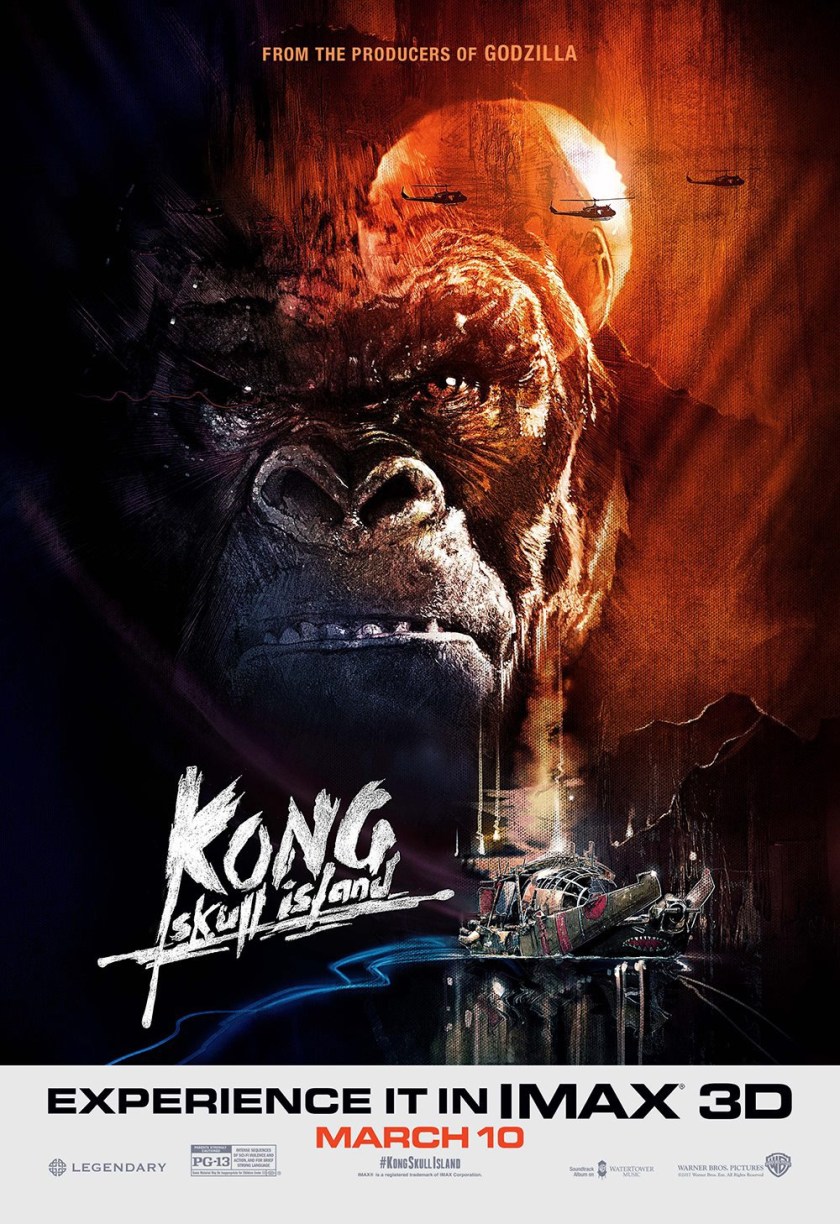
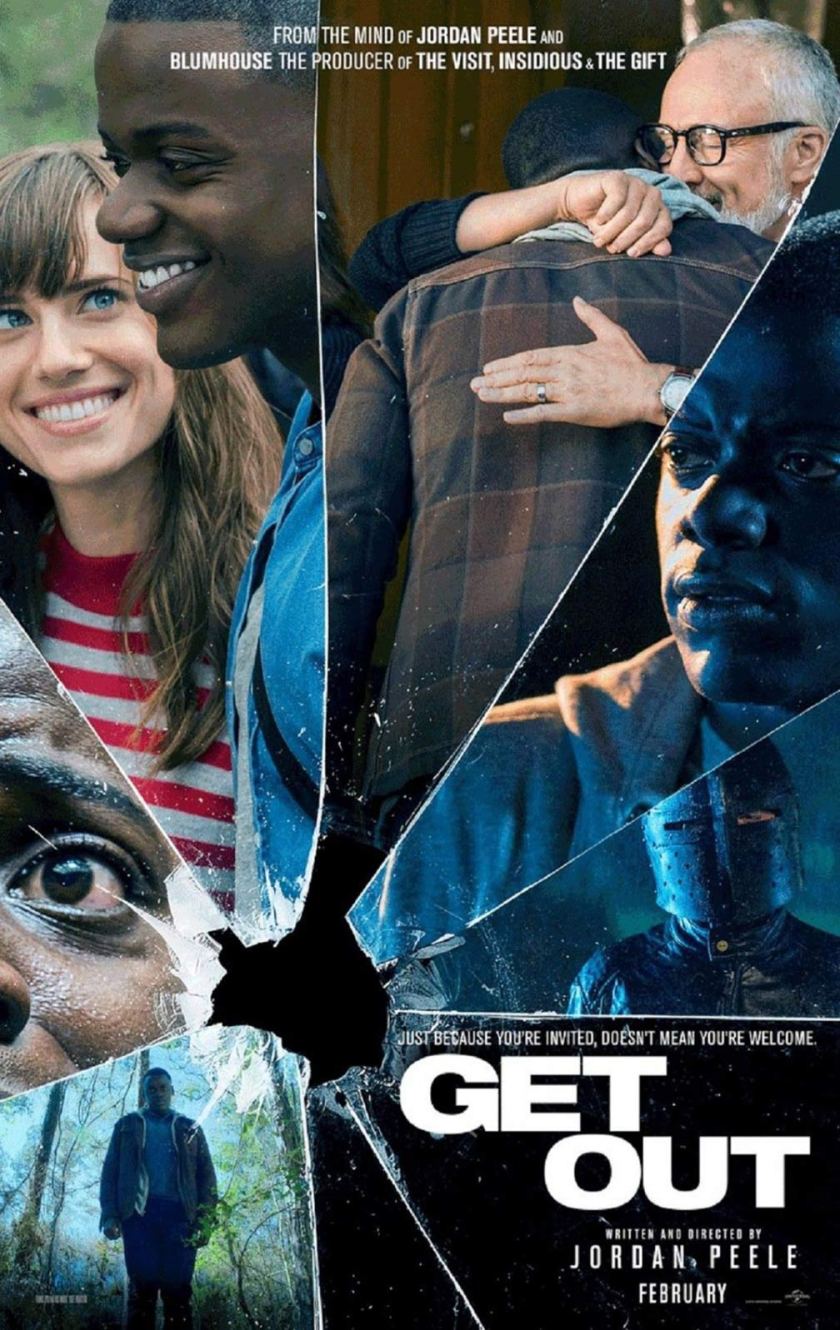

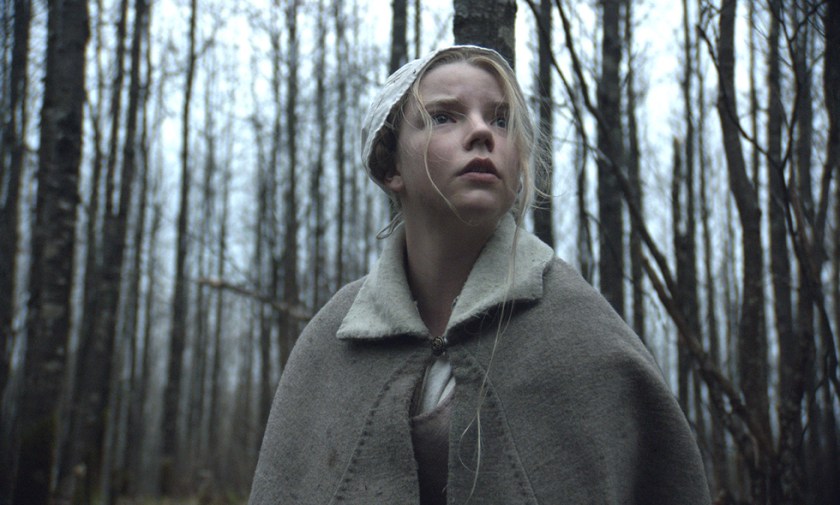
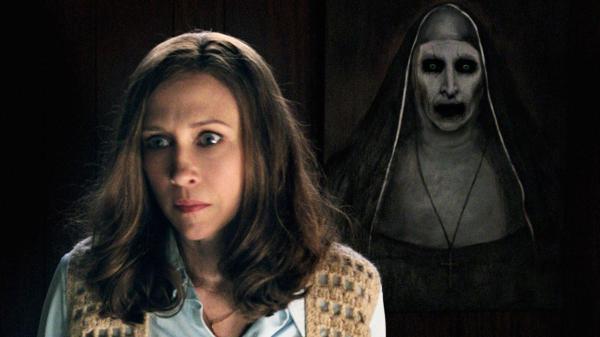
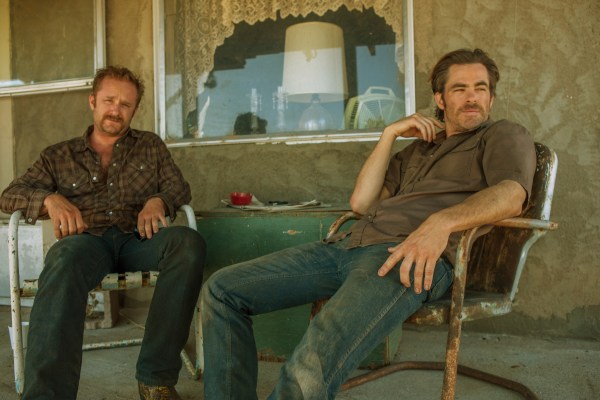

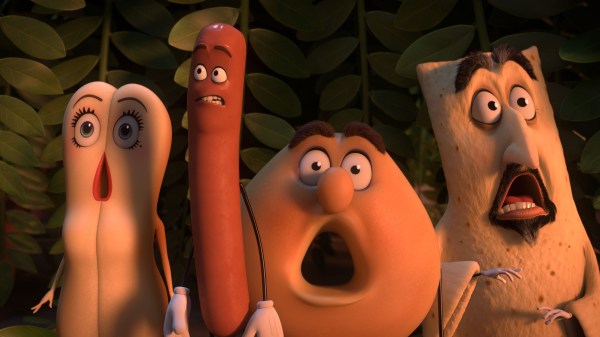

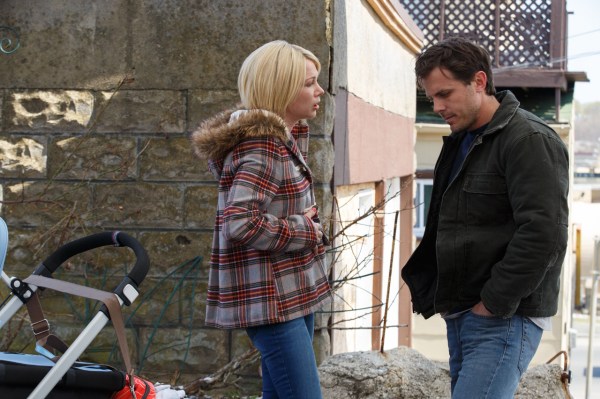

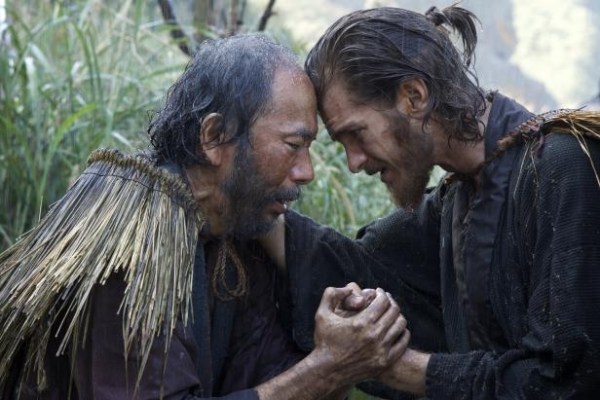
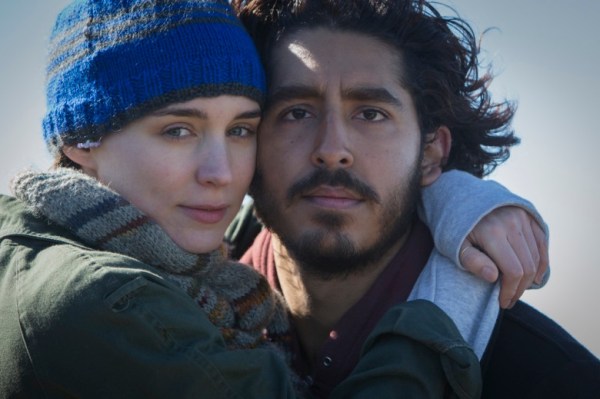

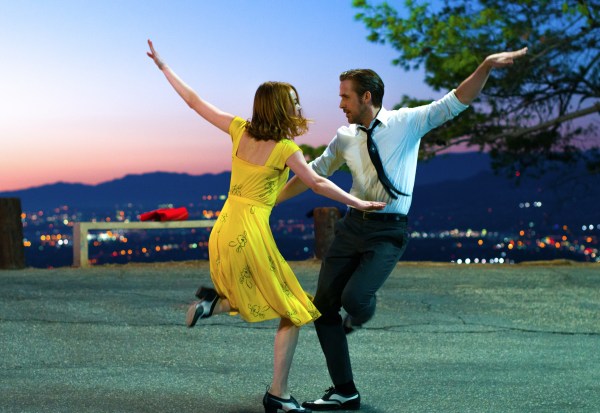
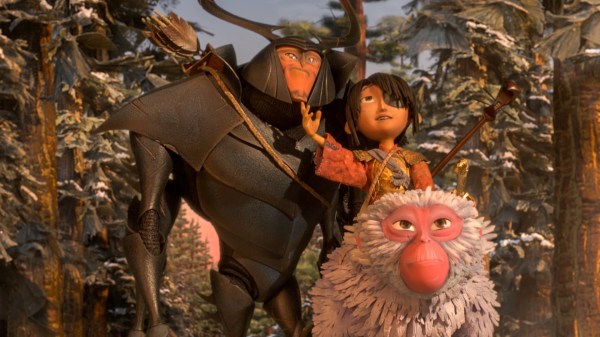


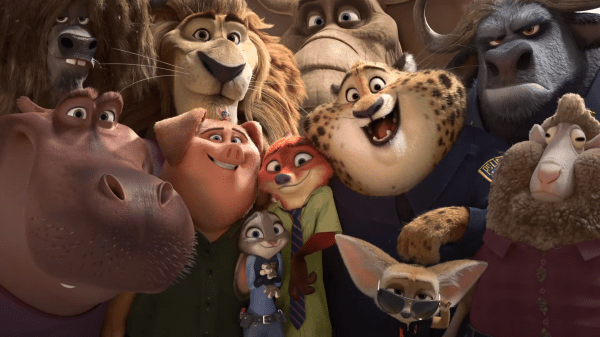
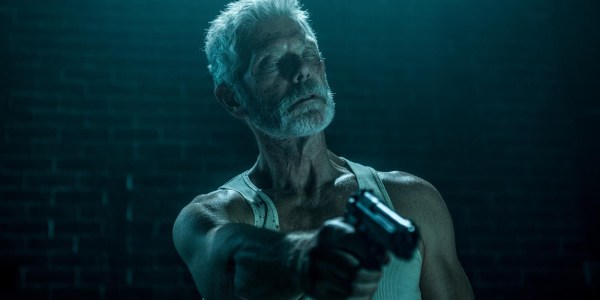
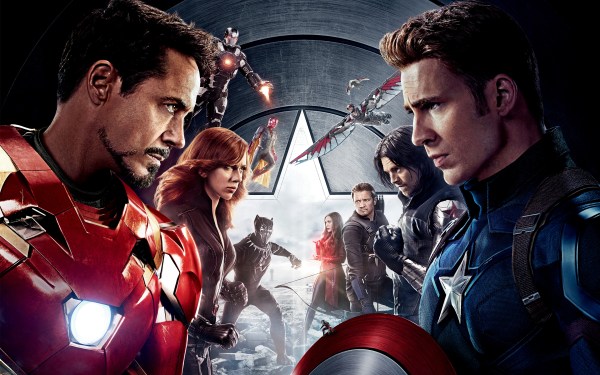


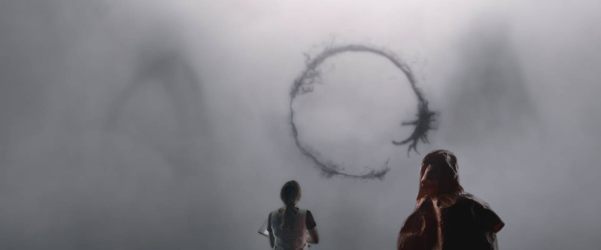
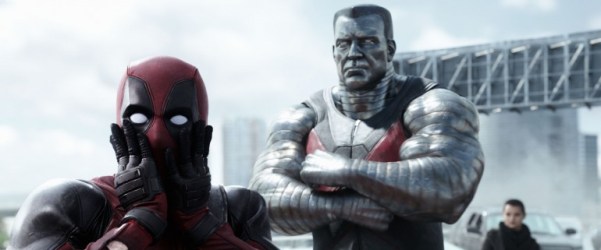


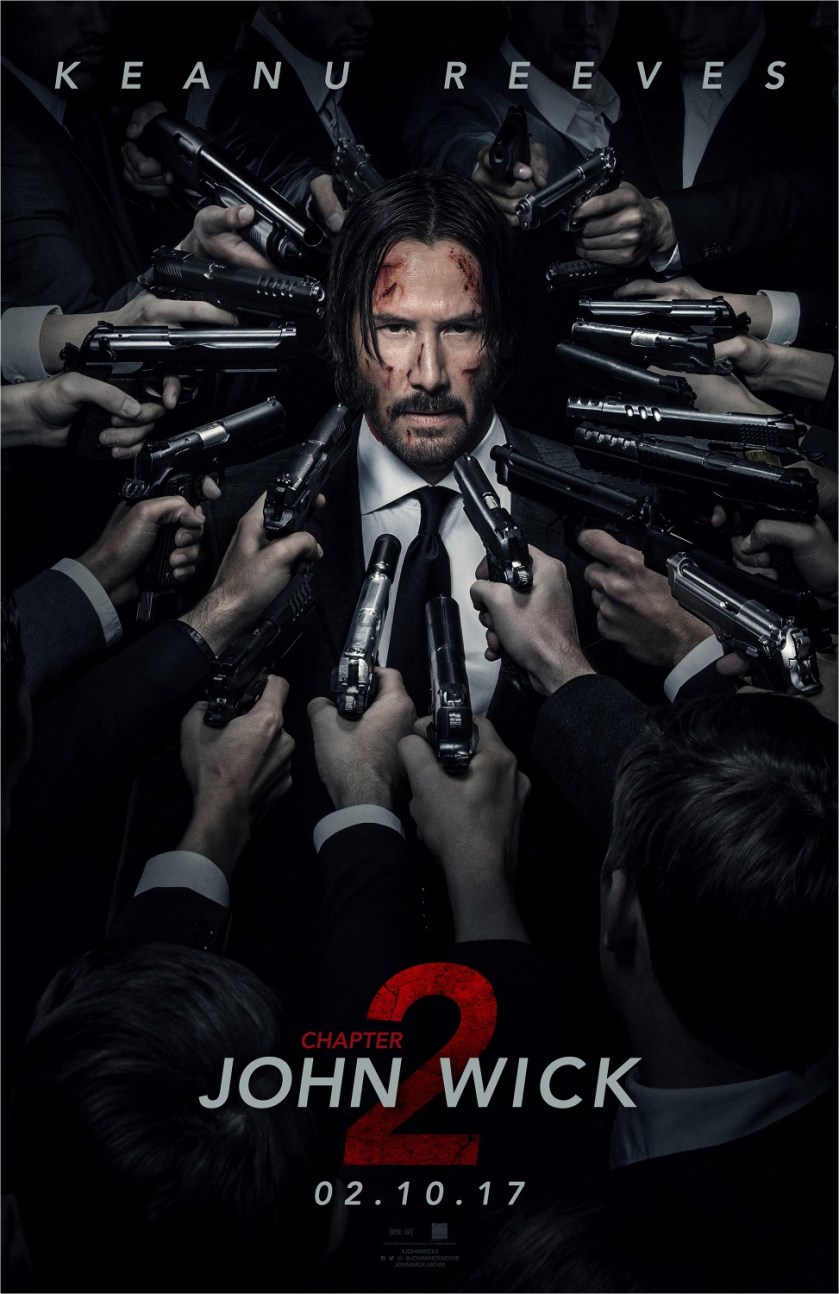
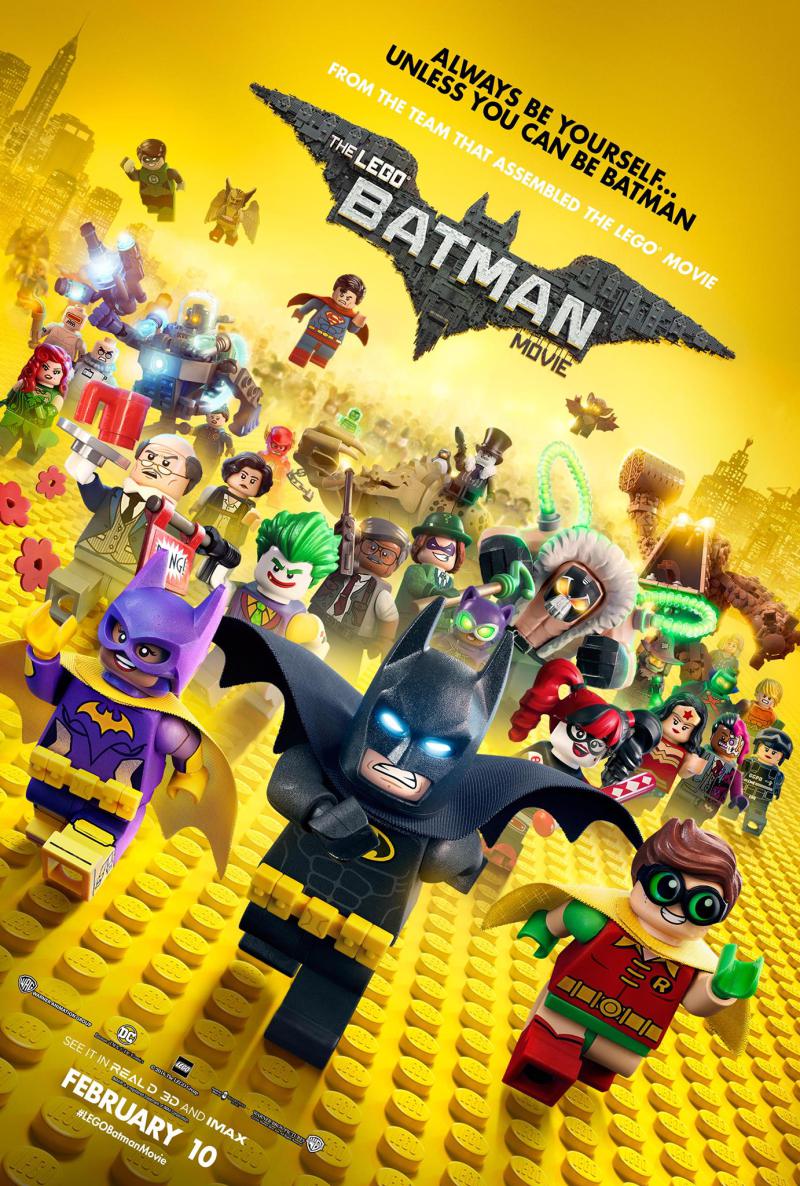


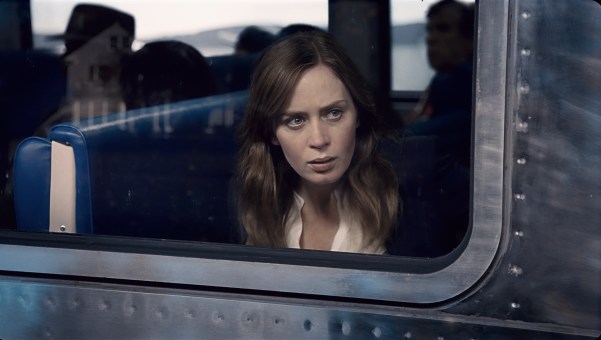
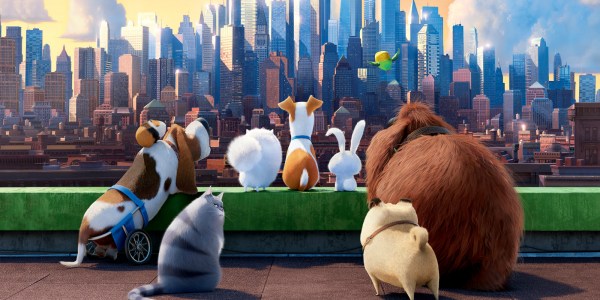


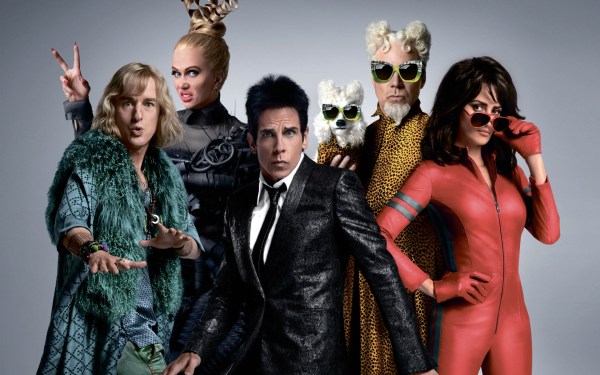


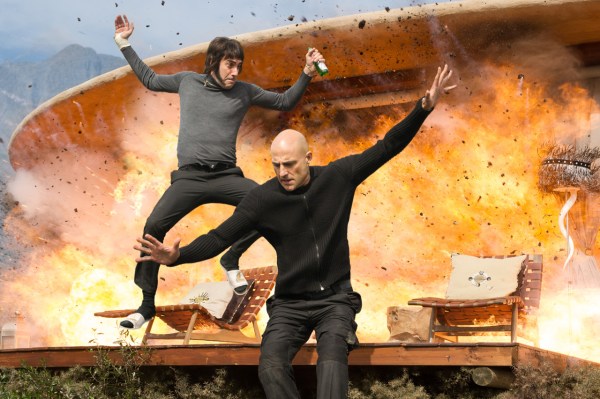


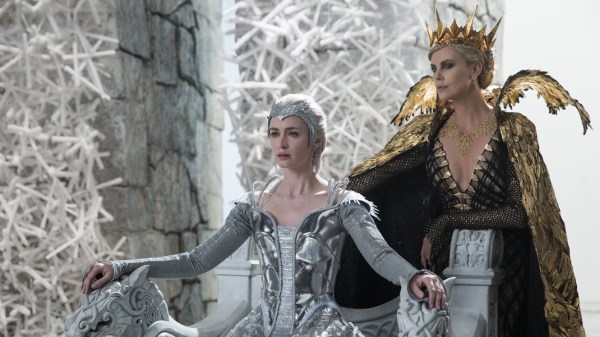


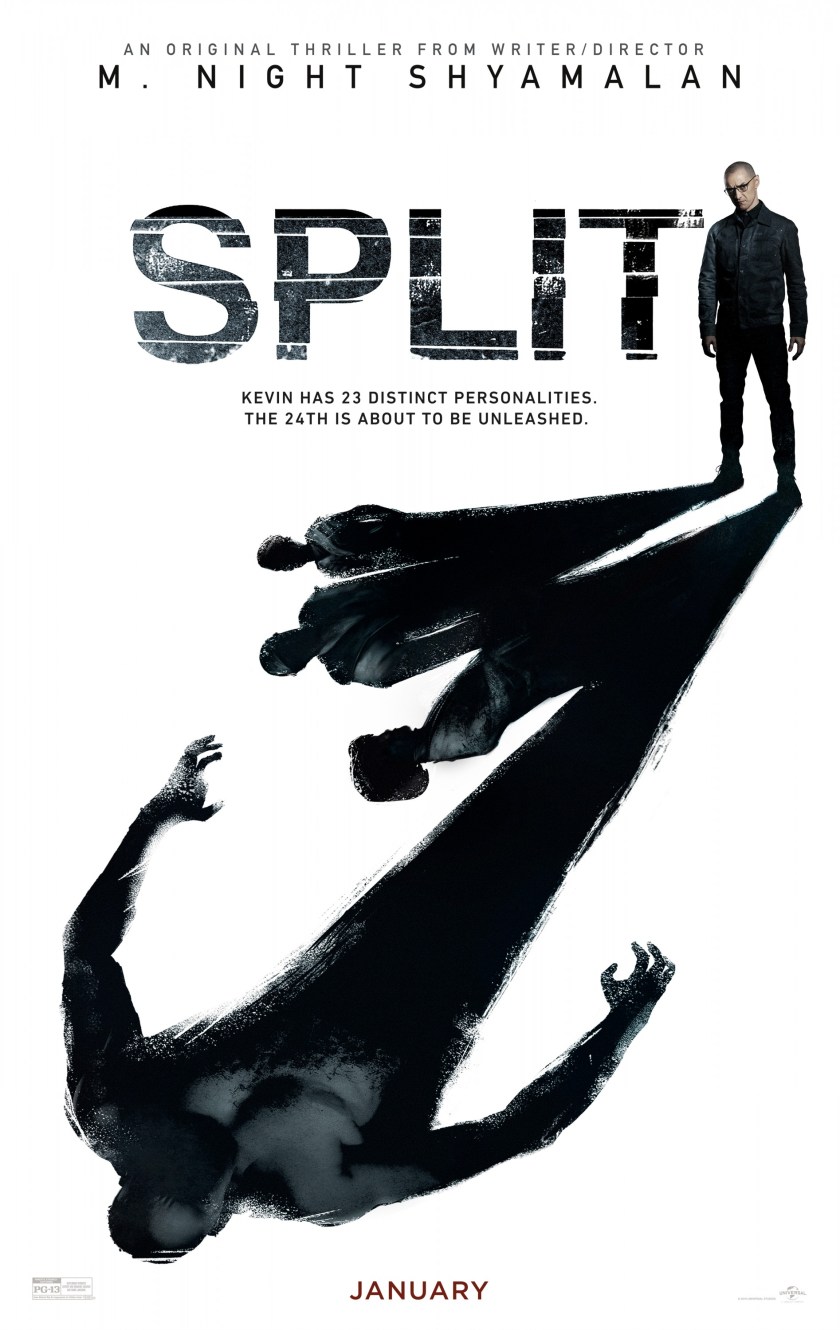
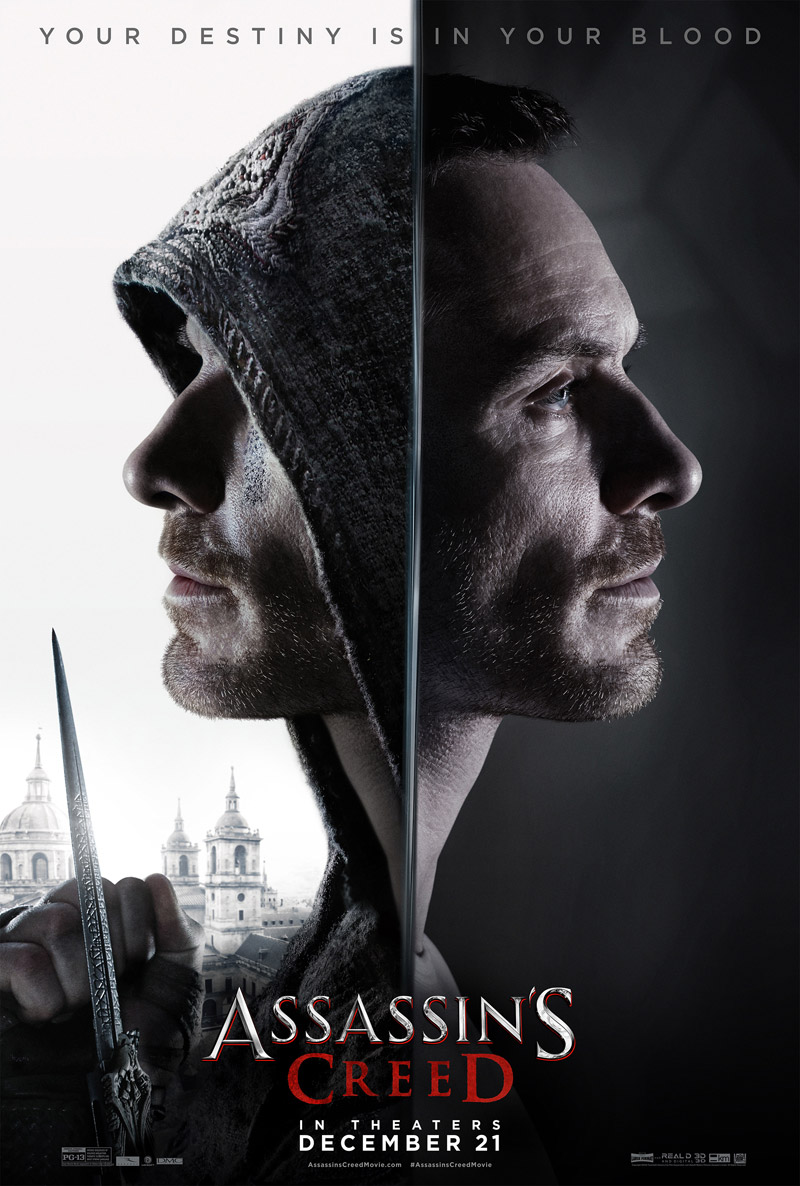
 Alternative Lens