

Author: Jennifer Heaton
Aspiring screenwriter, film critic, pop culture fanatic and perpetual dreamer.
THOR: RAGNAROK – an Alternative Lens review
Starring: Chris Hemsworth (Rush), Tom Hiddleston (Crimson Peak), Cate Blanchett (Carol), Idris Elba (Pacific Rim), Jeff Goldblum (Jurassic Park), Tessa Thompson (Creed), Karl Urban (Dredd), Mark Ruffalo (Spotlight), Anthony Hopkins (The Silence of the Lambs)
Director: Taika Waititi (Hunt for the Wilderpeople)
Writers: Eric Pearson (Agent Carter) and Craig Kyle (X-Men: Evolution) & Christopher L. Yost (Thor: The Dark World)
Runtime: 2 hours 10 minutes
Release Date: 24 October (UK), 3 November (US)
Of all the mini-franchises going on within the Marvel Cinematic Universe, the Thor films so far have often seen as the weakest. The first film was a solid introduction to the God of Thunder, as well as to one of the franchises’ most beloved characters in Loki, but it’s otherwise a solid but formulaic superhero movie and its sequel The Dark World did almost nothing to move the character or the universe as a whole forward. A third film is really Thor’s last chance to prove himself as a mainstay character before being relegated to side-character status like Hulk. Ironically, teaming Thor and Hulk together did exactly the trick. Thor: Ragnarok is not only easily the best film in the series, but it’s Marvel Studios’ best movie this year and one of their finest in general.
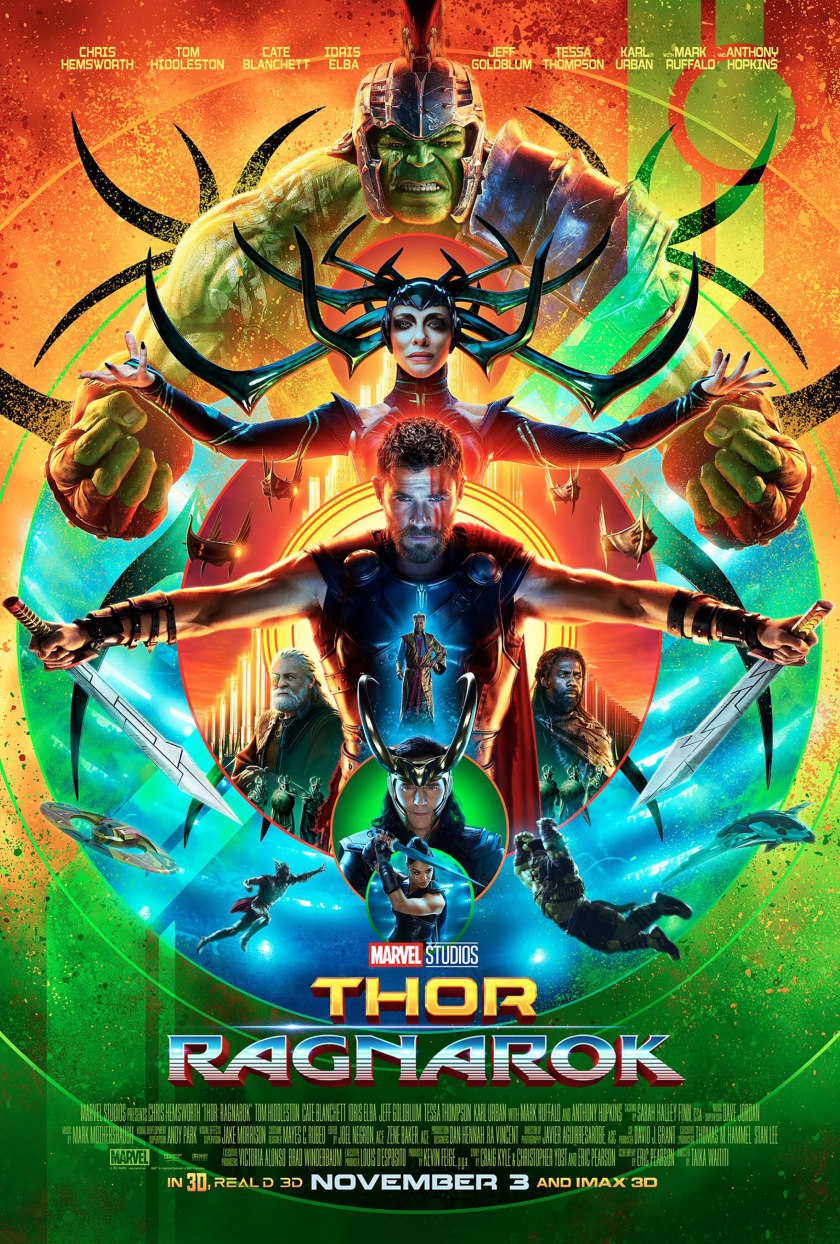
Picking up plot threads left dangling since The Dark World and Avengers: Age of Ultron, Ragnarok aims to shake up the franchise much in the same way as Captain America: The Winter Soldier. Whilst it doesn’t do so in as shocking a way, it does breathe new life into familiar territory and revamps the series with a renewed energy and sense of self-deprecation. Gone is the cringe-worthy, fish out of water humour of the first two films, and instead it’s replaced with director Taika Waititi’s unique comedic flair. It often feels more like Guardians of the Galaxy than Thor at points, but the core foundations of the series remain and it ties back into the previous films in rewarding ways. The story itself is a rollicking adventure that gets going quickly and doesn’t let up from there, leading to an epic climax that leaves a portion of the MCU in a difficult place. It isn’t entirely without fault though. The film fumbles the ball a bit with a lot of the supporting characters from the first two films, abruptly writing off some whilst not even acknowledging others (Kat Dennings’ Darcy doesn’t even get mentioned, though I know plenty of audiences will be glad of that). The narrative also feels a little too compartmentalized, with the events on Sakaar rarely synching up with those on Asgard; the scenes back in Thor’s realm ultimately have no impact upon what’s happening on the other side of the story until the final act.
Chris Hemsworth’s career was made by the role of Thor, but as good as he’s been in the part he’s also been somewhat restrained by it, stuck in a similar character loop for all four of his major appearances; he’s tough and arrogant and doesn’t understand human customs. But in Ragnarok, not only do they manage to get a good character arc out of Thor, but they’ve managed to make him funny again. Hemsworth finally feels like he is able to use his surprisingly strong comedic muscles and delivers his best performance as the character, nailing all of the film’s humorous moments but also its surprisingly effective dramatic ones. Tom Hiddleston is great as Loki like you’d expect, his banter with Thor just as biting as ever, and finds new ways to develop their troublesome brotherhood. Mark Ruffalo spends far more time as Hulk than Bruce Banner here, but that’s certainly not a negative. The film gives the big green monster time to shine not just in action but also comedy, giving the relationship between him and Thor more depth than ever; these two should remain a combo forever. Idris Elba and Anthony Hopkins are the only other two returning players with meaty roles as Heimdall and Odin, with Elba finally given a little more to do plotwise and Hopkins managing to wring a lot of emotional pathos with his few scenes; he’s never looked as invested in this series as he is here.
Where Ragnarok really shines is in its plethora of new characters. Cate Blanchett is deliciously evil as Hela, more than making up for the banality of Malekith in The Dark World. She doesn’t get as much screen time as you’d hope, especially with Thor himself, but her motivations and backstory are rich and Blanchett herself is clearly eating up the opportunity to be villainous. Watching Jeff Goldblum as the eccentric secondary antagonist The Grandmaster is probably not too different to watching Jeff Goldblum in his off hours, but he’s a hilarious delight to watch no matter what; please bring him back somehow, Marvel. Karl Urban manages to make a lot out his role too as Skurge, taking what could have been a one-note henchman character and making him complex, badass and funny all at once. Rachel House is a fun addition as Grandmaster’s head guard Topaz, and Waititi himself is a constant scene-stealer as Korg. But the real MVP here is Tessa Thompson as Valkyrie, who constantly upstages the rest of the cast with her confident personality and strong comedic timing; she’s what I wish Sif had been in the previous movies.
What the previous films did well more than anything was effectively bringing Jack Kirby’s designs to life without making it look silly. Ragnarok tempts fate more with the addition of the colourful dystopian planet that is Sakaar, but the film does more than just not making it look silly. This film looks absolutely badass in every frame, like a comic book truly come to life, with its vibrant visuals and cinematography that makes many moments look like they’ve leaped right off the panel. The sets and costumes are imaginatively designed, taking what could have been ludicrous and somehow turning it into something impressive. The music from Mark Mothersbaugh is also a delight, with the score’s 80s synth-pop vibes giving the film a wholly unique flavour. It at points made me think Waititi may have been a better choice to make a Flash Gordon movie than a Thor one, but he’s managed to transplant that aesthetic without at all making it look out of place.
Thor: Ragnarok is a delight from its opening moments to the very last post-credits scene. It works as a great culmination of the character’s story over his five appearances, but functions well enough as a standalone action sci-fi comedy in its own right. Taika Waititi has managed to make a film that is distinctly his own whilst still managing to work within the Marvel formula, and I hope the studio finds somewhere else for him to fit within the larger universe of movies; he’s too good to just have as a one-off. If Marvel decides to continue making solo Thor movies, they’d better be at least as good as this one, because I don’t think anyone will want to go back to the original recipe after having a taste of this flavoursome dessert of a movie.
FINAL VERDICT: 9/10

BLADE RUNNER 2049 – an Alternative Lens review
Starring: Ryan Gosling (Drive), Harrison Ford (Star Wars: The Force Awakens), Ana de Armas (War Dogs), Sylvia Hoeks (Renegades), Robin Wright (The Princess Bride), Mackenzie Davis (Halt and Catch Fire), Dave Bautista (Guardians of the Galaxy), Jared Leto (Dallas Buyers Club)
Director: Denis Villeneuve (Arrival)
Writers: Hampton Fancher (Blade Runner) and Michael Green (Logan)
Runtime: 2 hours 43 minutes
Release Date: 5 October (UK), 6 October (US)
We’ve seen plenty of nostalgia properties revitalized via reboots and sequels in recent years, but Blade Runner 2049 was immediately different before even a frame of it was shot. The original 1982 Ridley Scott film was not the beginning of a major franchise (we are not counting 1998’s pseudo-spinoff Soldier), wasn’t financially successful, and didn’t even do well critically at the time. Only years of recuts and reappraisal has garnered the film its reputation as one of the greatest sci-fi films, so the idea of making a sequel 35 years later, especially one with such prestigious new and returning talent involved, doesn’t immediately scream “cash grab”. Blade Runner 2049 has aspirations beyond being another Hollywood blockbuster. It wants to be a great film in its own right and, for the most part, it succeeds in that goal.
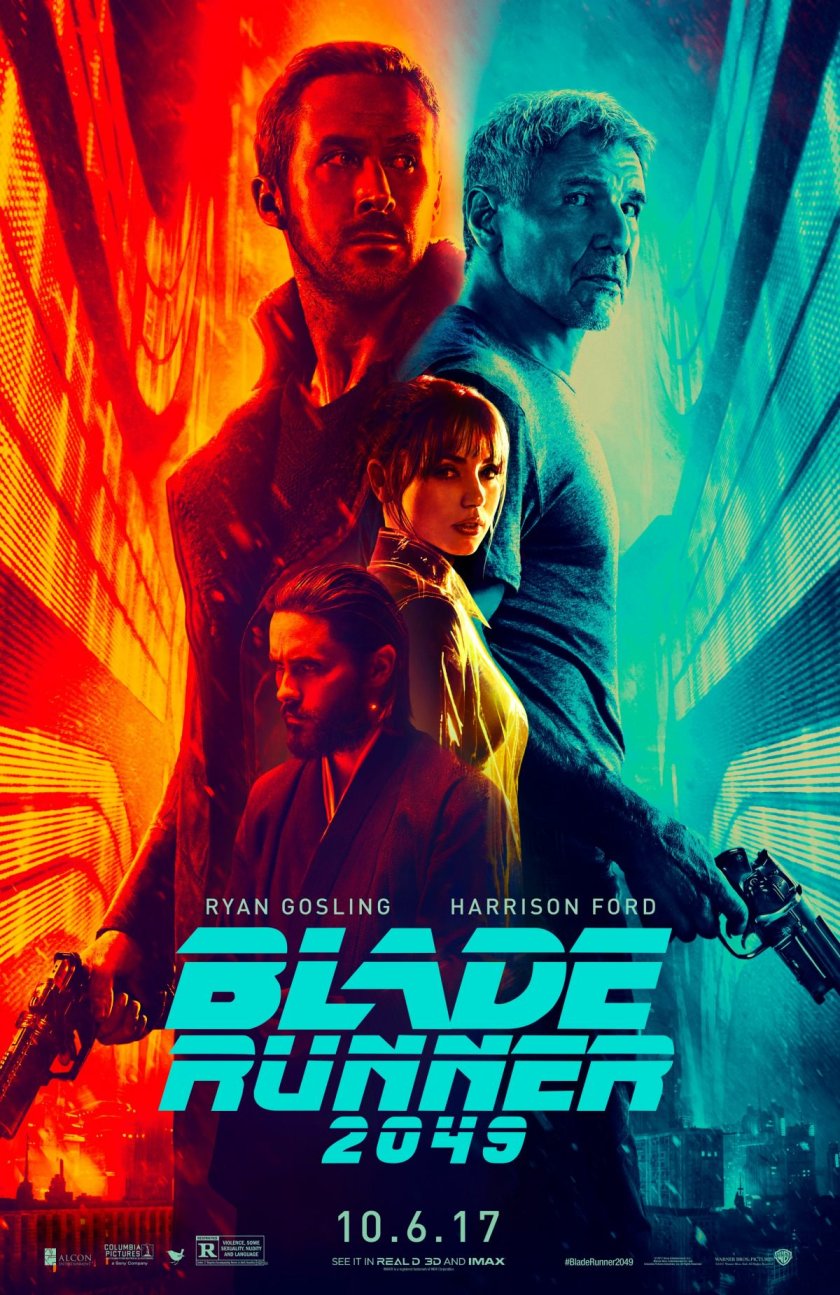
Talking about the plot of 2049 is difficult because it relies a lot on mystery, and revealing even the smallest details could give away the surprises. What I can say is that the story is not only rewarding to fans of the original, it manages to tread a very fine line between being overly loyal to the source material and forging a new path. The film explores and expands upon the lore of the original Blade Runner in interesting ways, but at times it can feel worryingly like it may be heading in a far-too-obvious direction. However, the film seems aware of audience presumption and does a good job of playing with storytelling conventions to create something new; every time you think you’ve figured it out, it pulls the rug from under you. Not only does this keep the film interesting, it perfectly compliments the themes of Phillip K. Dick’s work and Scott’s original film. 2049 is still very much about what it means to be human, but it answers those questions from a different perspective, resulting in a film that is definitely more than a rehash.
The cast of 2049 is an impeccable collection of some of the best actors working today, even in the smallest of roles, and they all deliver with the time they have. Ryan Gosling carries the film well as our new Blade Runner Officer K, giving a cold but emotionally resonant performance. His character is cool but sympathetic from the off, and Gosling layers what could have been a blank slate role with little intricacies in his body language and facial expressions. He is reminiscent of Harrison Ford’s Rick Deckard from the original, but he is certainly no copy. Speaking of, Deckard’s role in the film may not be as big as the marketing has pushed, but he is a vital part of the story and Ford’s performance hits all of the right notes of bitter and angry regret. Ford is now two for two in successful revivals of his most famous roles; we’ll have to see how Indiana Jones 5 works out. Ana de Armas and Sylvia Hoeks are easily the breakout stars of the film as Joi and Luv respectively. Armas’ sensitivity and beauty make her both a relief in a dark story but also a tragic figure, whilst Hoeks’ dominant and unstoppable attitude make for a suitably threatening antagonist. Jared Leto is interesting as the film’s equivalent to Tyrell, but he isn’t in the film enough and his character lacks substantial definition; he never even meets our protagonist. The rest of the cast are mainly puzzle pieces within the narrative but they all do a fine job with what they have, especially Robin Wright and Dave Bautista, and there may be even a few surprises for the hardcore Blade Runner fans.
The original Blade Runner wrote the book on how to depict a dystopian near-future on film, and so many other films have copied its designs in the years since. 2049 does an amazing job of revitalizing these now-familiar environments for the modern age, perfectly capturing the majesty of the prior work whilst also expanding and improving on them. Combined with the impeccable cinematography from Roger Deakins, who more than finally deserves an Oscar for his work here, there is not a single shot in this film that isn’t gorgeous to behold. The lighting, the colours, the fantastic use of elements such as rain and fog; it all makes this world feel even more real than it was before. The film’s score is fantastic too, with the compositions by Benjamin Wallfisch and Hans Zimmer replicating the moody synth beats of Vangelis’ music for the original whilst also feeling fresh. When you go see this film, be sure to see it on the biggest screen you can, with the best sound system possible too. This is a film that demands that you be immersed in it.
Blade Runner 2049 is a worthy successor to the original film, avoiding the mistakes of other recent revivals and bringing just enough new to the table. It may veer closer to Star Wars: The Force Awakens than Mad Max: Fury Road, as the film does rely more on building on the previously established like the former rather than forging a completely new path like the latter, but saying that is hardly a insult. I’d find it hard to imagine a fan of the original being wholly dissatisfied with the film, as long as they keep an open mind and don’t jump to any conclusions too soon, whilst I believe the film is fascinating and beautiful enough for a newcomer to enjoy too; they can always watch the original later and fill in the pieces. Director Denis Villeneuve has accomplished here what Ridley Scott couldn’t manage with his recent Alien films, and now more than ever do I see him as one of our great modern filmmakers. What could be more challenging for him than this? What, he’s going to adapt Dune next? OK. Clearly this man likes a challenge!
FINAL VERDICT: 9/10
KINGSMAN: THE GOLDEN CIRCLE – an Alternative Lens review
Starring: Taron Egerton (Eddie the Eagle), Colin Firth (The King’s Speech), Julianne Moore (Still Alice), Mark Strong (Kick-Ass), Halle Berry (Monster’s Ball), Pedro Pascal (Game of Thrones), Elton John (The Road to El Dorado), Channing Tatum (Logan Lucky), Jeff Bridges (True Grit)
Director: Matthew Vaughn (X-Men: First Class)
Writers: Jane Goldman (Miss Peregrine’s Home for Peculiar Children) & Matthew Vaughn
Runtime: 2 hours 21 minutes
Release Date: 20 September (UK), 22 September (US)
Kingsman: The Secret Service was a breath of fresh air when it came out in 2015, bringing over-the-top fun back to the spy movie and being the best of its genre in a year that saw the release of both a James Bond picture and a Mission: Impossible flick. That is no easy feat, and with its success came the promise of a bold new franchise with all sorts of original directions to go in. Unfortunately, and it really pains me to say this, but Kingsman: The Golden Circle isn’t the sequel it could have been.
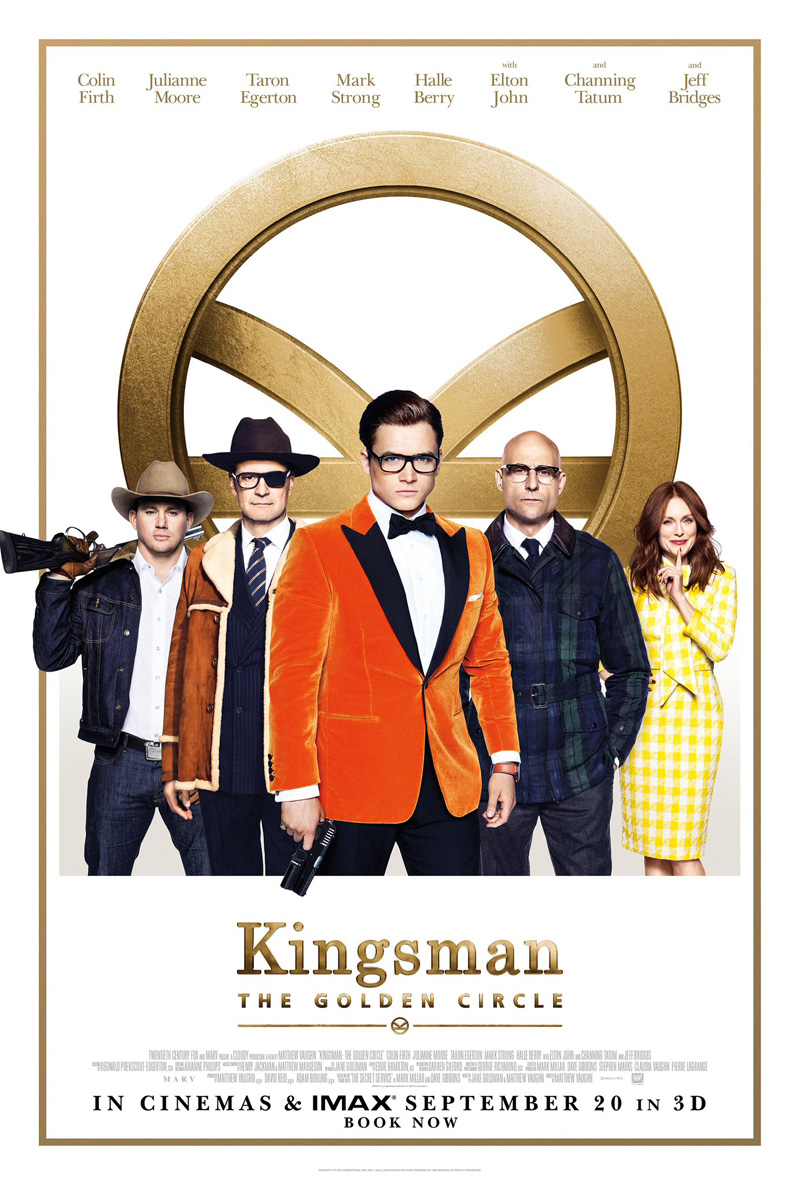
In certain ways, The Golden Circle follows the same formula as its predecessor. No, scratch that. The Golden Circle follows to a T the formula of the first movie, just with all of the training scenes replaced with the Kingsmen having to start from scratch again. There are already a lot of callbacks to the first film, but then the film goes out of its way to revert the status quo or outright remove puzzle pieces for no good reason other that plot convenience; it’s like Men in Black II all over again. That’s already frustrating enough, but the film’s ramshackle structure and inconsistent pacing make the two-hour-plus runtime really hit home. The first act starts at a good clip, quickly throwing you back into the action, but once the plot gets rolling it’s a swerving maelstrom of subplots from there. When the final act finally arrives, it’s like a breath of fresh air that reminds you of why you loved the first film, which unfortunately has the side effect of clarifying for you why this one doesn’t ultimately work.
The film can’t even keep a solid theme going. Compare that to the clear, streamlined focus of The Secret Service. That film was about the haves and the havenots, and how the circumstance of your birth does not affect what you can achieve; everything linked back to that idea in some way. The sequel carries some of that on, but it’s also about the tumultuous relationship between Britain and America, the questionable motivations behind the war on drugs, and a not-so-subtle attack on the Trump administration’s approach to crime, healthcare and foreign policy. None of these ideas are inherently bad themes, but none of them have enough focus and none of them link neatly back into the characters. That is just sloppy storytelling.
The Golden Circle has assembled a wonderful cast of returning players and prestigious newcomers, but the film doesn’t seem to quite know what to do with them, and that is nowhere more egregiously noticable than with protagonist Eggsy (Egerton). After transitioning from streetwise geezer to debonair spy in the first film, the filmmakers seem to have no idea where to take the character. Eggsy has no real character arc in the sequel, and instead he gets a relationship story with Princess Tidle (Hanna Alstrom) that is tedious and generic. The film goes through several hoops to bring Colin Firth’s Harry Hart back into the film, and at first there seems to be a lot of potential for growth and introspection, but it ultimately goes nowhere. Mark Strong’s Merlin seems to be the only reprising character who gets away unscathed at first, but come the third act the film suddenly runs out of things for him to do too. And don’t even get me started on what they’ve done to Sophie Cookson’s Roxie. After what happened when Matthew Vaughn left Kick-Ass 2 at the wheel, you’d think he’d learn from those mistakes.
In terms of the new cast, nobody does a bad job, but none of them are given enough to do. Channing Tatum and Jeff Bridges as Tequila and Champ respectively get introduced and then are almost immediately sidelined, and Halle Berry’s Ginger Ale is basically just a copy of Merlin but without the personality and a half-assed “women in the workplace” subplot. Pedro Pascal’s Whiskey fares a lot better mainly because he is afforded more screen time and charisma, but ultimately his character comes off a little muddled. The two new faces that ultimately steal the show are Julianne Moore as the big bad Poppy and, of all people, Elton John as himself. Moore is clearly having a blast playing a supervillain and her sickeningly sweet personality, along with her fetish for kitsch Americana mashed with deadly robots, make her a delightful and memorable antagonist. As for Elton John, he’s basically just an extended cameo with little bearing on the plot, but he gets to deliver some of the film’s best gags, so I’m glad he’s there.
On a technical level, The Golden Circle is about on par with its predecessor. The action is a lot of fun with some really inventive sequences and cool new gadgets, but the film’s aforementioned slog of a second act is lacking in this; pretty much everything cool about the movie has been shunted to the bookends. There’s some cool production design in the looks of both the Statesmen headquarter and Poppy’s tacky lair, and the music is on point with the John Barry-inspired spy tunes and some strong soundtrack choices. However, whereas the film’s visual effects edged a little too close to the sun in terms of their use, the effects here too often serve as a crutch. The film is highly stylized and over-the-top, but compared to the quality of the presentation otherwise it really sticks out as subpar.
Kingsman: The Golden Circle doesn’t feel like a direct sequel to its excellent predecessor. It feels more like the tired fourth or fifth instalment they made after they ran out of ideas. There are sparks of inspiration here with some fantastic action set pieces, and the entire cast is clearly trying in spite of the undercooked material, but it’s hard to recommend this film otherwise. It is simply too cluttered and unfocused to be consistently enjoyable, and that only makes its overlong running time that much more noticeable. In the midst of all the wacky ideas and gags, the filmmakers seem to have lost focus on the characters and let them run on autopilot, and if this franchise is to be salvaged then Matthew Vaughn and co need to think hard and refocus their efforts.
FINAL VERDICT: 5.5/10

SUMMER MOVIE SEASON 2017 WRAP-UP
This has been an interesting summer movie season, filled with tremendous highs and spectacular lows. I’ve been pretty busy over the past few months, so I haven’t been able to review as many films as I would have liked, but I certainly saw about as many as usual. So, whether you can still catch some of these in theatres or snap them up on home viewing (or avoid all together in certain cases), here is a sum-up of every film I saw this summer that I didn’t get a chance to review in full.
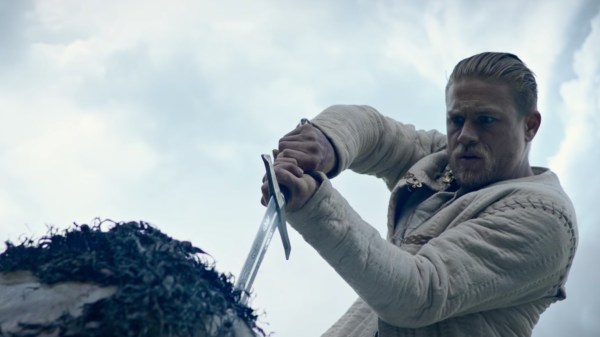
King Arthur: Legend of the Sword
Probably Guy Ritchie’s worst film to date, this tiresome and dull reinterpretation of the King Arthur myth is buried under layers of horribly anachronistic style and Charlie Hunnam’s thoroughly unlikable turn as Arthur. It makes the 2004 Antoine Fuqua version look like a masterpiece in comparison. 2.5/10
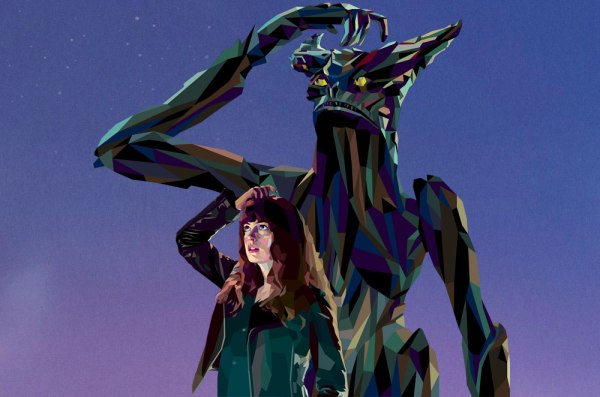
Colossal
This demented and inventive fantasy comedy from Nacho Vigolando combines strong humour with strong themes of abusive relationships and dependency. Anne Hathaway and Jason Sudiekis wonderfully break their usual character types and provide performances that are just as genuine as they are funny. 8/10
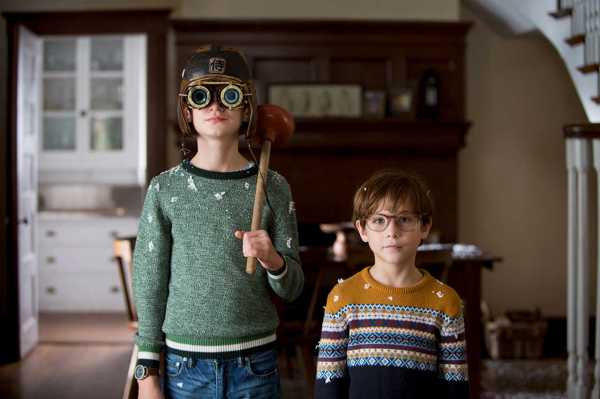
The Book of Henry
Probably the biggest WTF movie of the summer, this bizarre and horrendously misjudged combination of Spielberg whimsy and harsh thriller is a thoroughly perplexing watch. The strong performances and Colin Trevorrow’s direction carry it partway, but the material is so inherently flawed that even they can’t save it. 4/10
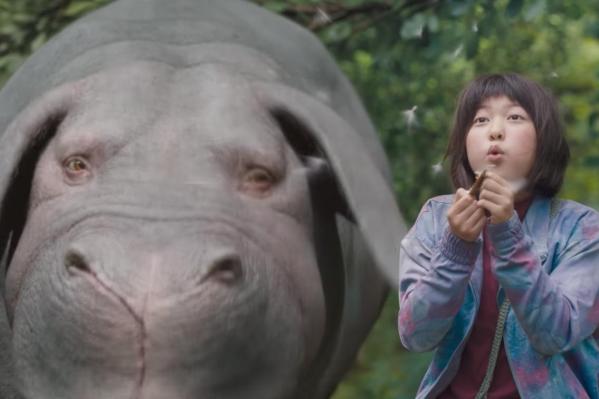
Okja
Whilst certainly not Bong Joon-ho’s best work, this peculiar mix of corporate satire and Studio Ghibli is a sweet and thoroughly engaging watch. The CGI work is iffy at times and some of the performances come off as too exaggerated (Jake Gyllenhaal is particularly OTT), but the film’s heart is strong and does strike a good balance between being entertaining and informative. 7/10
The Circle
Thrown out onto Netflix UK after a disastrous US theatrical release, The Circle posits an interesting and timely premise about identity and privacy in the social media age, but shows no real insight on the subject. A fantastic cast is wasted on bland and poorly developed characters, and the conclusion fails to give us the necessary details of its important ramifications. 3/10

The House
Though it does fall flat compared to many of their great comedies, Will Ferrell and Amy Poehler’s new casino-based comedy has just about enough worthwhile gags to hold your attention. The story is a bit too loose and the jokes are clearly just reams of improv, but the genuinely sweet relationship between our leads and their daughter, along with strong supporting turns from Jason Mantzoukas and Nick Kroll, just about keep the whole enterprise from collapsing in on itself. 6/10
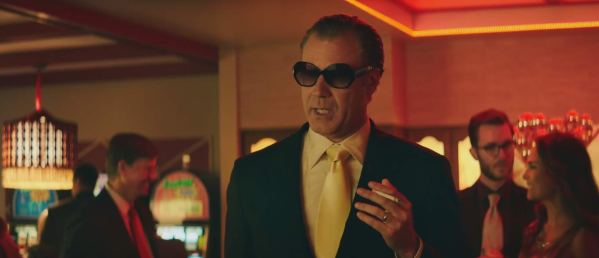
It Comes at Night
A grim and haunting rural thriller, It Comes at Night combines the post-apocalyptic interpersonal conflict of the late George Romero with haunting imagery and an unrelenting sense of fear. Probably the closest we’ll ever get to a good film adaptation of The Last of Us. 8/10

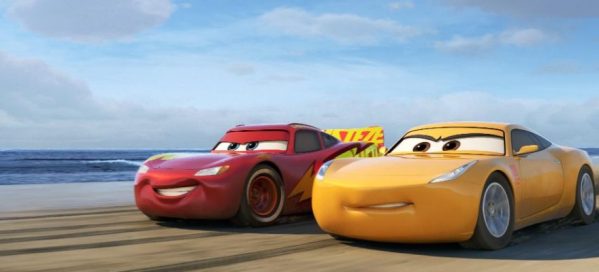
Cars 3
Though this latest effort from Pixar does fall short of our usual expectations of the studio, Cars 3 is still a radical improvement over its predecessor and brings the franchise back to its roots. The story and characters are fairly stock and predictable, but the new flairs it adds are much welcomed and give its final moments something approaching brilliant. 6.5/10
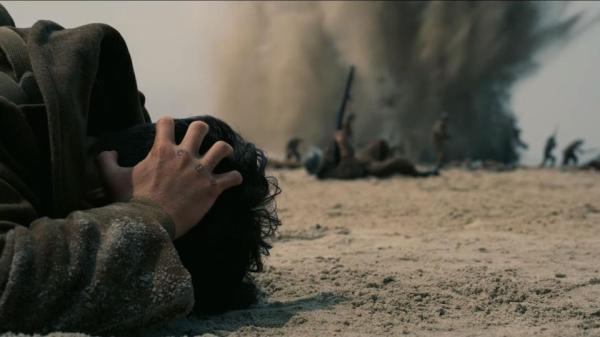
Dunkirk
A film that is equally both a throwback to the war films of old and the direct antithesis of those very movies, Dunkirk depicts World War II with barely an ounce of jingoism for maximum emotional effect. Its unique approach to structure and spectacular visuals and sound make this an experience that must be seen in theatres. 8.5/10
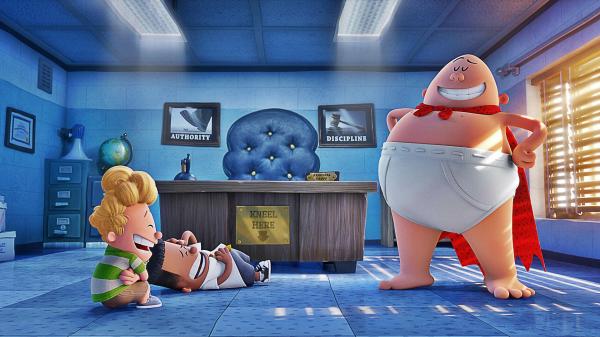
Captain Underpants: The First Epic Movie
As an adaptation of the Dav Pilkey books, Captain Underpants adapts the style and spirit of the series perfectly in animated form. The absent-minded plot and paper-thin themes do often make the film feel more like several episodes of a cartoon show stuck together rather than a feature film, but the film makes good use of the source material’s inherently juvenile humour, all delivered by a solid voice cast including Ed Helms and Nick Kroll. 6.5/10
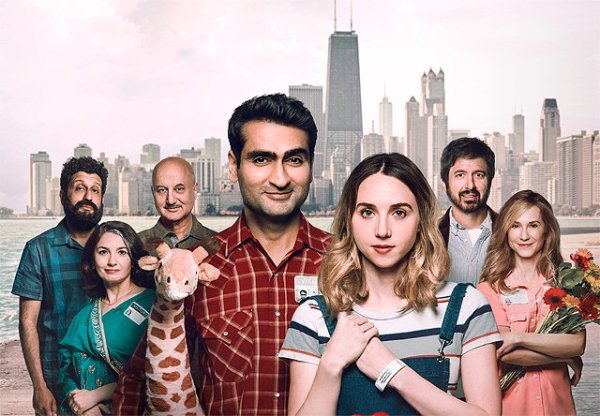
The Big Sick
It may seem like an incredibly simple romantic comedy on paper, but The Big Sick succeeds by avoiding all the usual rom com traps and hones in on the emotional content. Kumail Nanjiani finally proves himself as a strong comedic lead, and the supporting performances from Holly Hunter and Ray Romano are equally hilarious and touching. Go see this at your earliest convenience! 10/10!
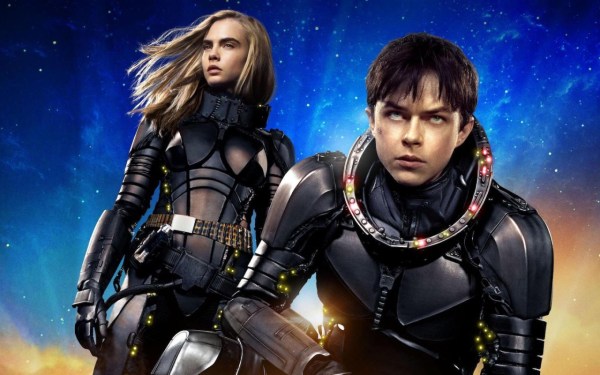
Valerian and the City of a Thousand Planets
This spiritual sequel to The Fifth Element may be bloated and highly unfocused, but it compensates for it with a relentless sense of imagination and childlike wonder. The amount of exposition required to tell this simple story is almost intolerable, but for every drab scene of dialogue there is a fantastic action sequence or spectacular piece of design to suck you back in. Regardless, it’s still the best movie Luc Besson has directed since The Fifth Element. 7/10
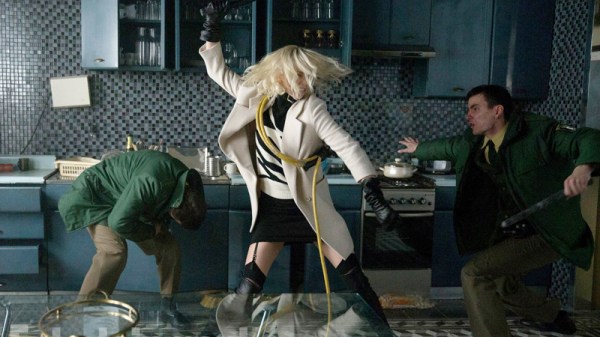
Atomic Blonde
Atomic Blonde is certainly more than just John Wick in high heels, but for what it adds in depth it loses in fun. The fight choreography is some of the best of the year, but the story is overcomplicated and the story world lacks flair beyond its 1980s aesthetic. Still, a thoroughly enjoyable watch that provides faith that Deadpool 2 is in solid hands with director David Leitch. 7.5/10
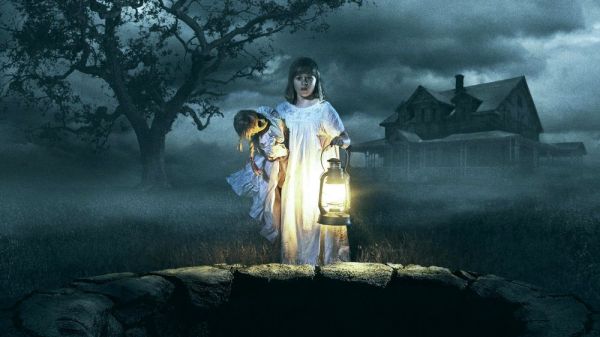
Annabelle: Creation
After the incredibly underwhelming first film, no one would expect this prequel-to-a-prequel to be anything worthwhile, but Annabelle: Creation is a genuinely solid little horror movie. It fixes the problems of its predecessor without making the first film irrelevant, and the film combines old-school scares with new-school techniques to create a movie far better than it has any right to be. 7.5/10
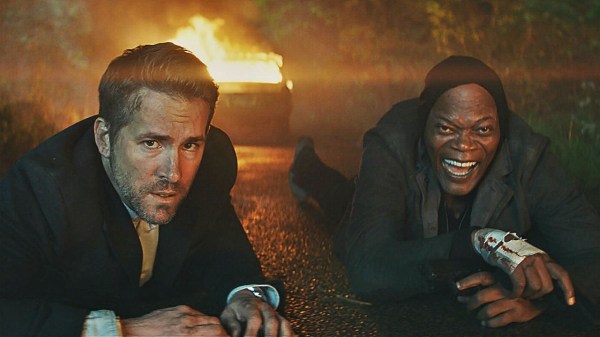
The Hitman’s Bodyguard
Silly but harmless buddy action movie that wishes it was as witty as a Shane Black script. The action is standard and the plot predictable, but Ryan Reynolds and Samuel L. Jackson’s comedic chemistry, along with a surprisingly funny supporting turn from Salma Hayek, stops it from ever becoming boring. 6.5/10
The Dark Tower
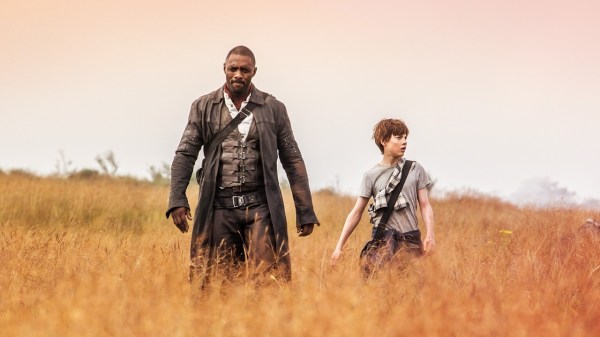
A mundane and trite action-fantasy film that simplifies Stephen King’s work down to the bare minimum and ends up feeling more like yet another bad YA adaptation rather than a grand fantasy epic. Idris Elba and Matthew McConaughey are trying their best, but beyond some cute references to King’s previous works there’s practically nothing here you haven’t seen before. 5/10
Detroit
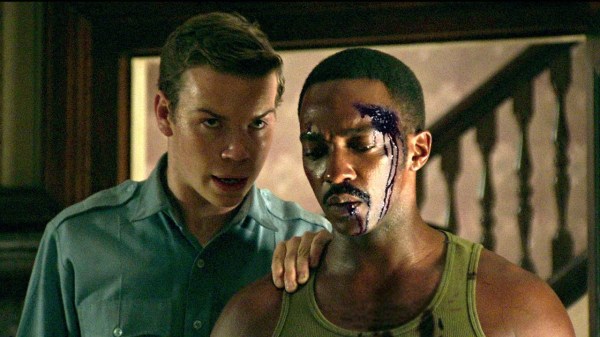
Though not as great as Kathryn Bigelow’s recent war stories, this is a gut-punching and extremely relevant story that needed to be told. The documentary-style cinematography really plants you in the drama, and the performances from Will Poulter and Algee Smith are spot-on. 8/10
Death Note
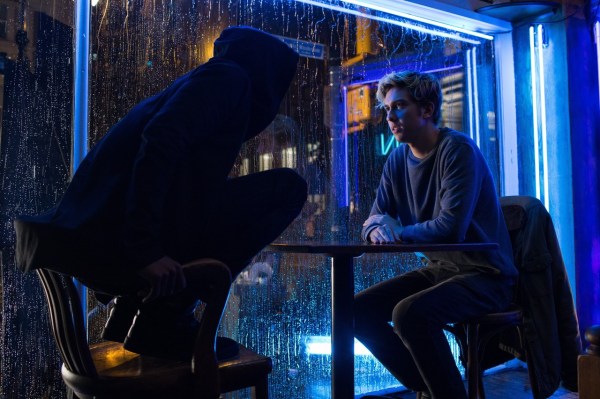
Probably the best western live-action manga adaptation ever, but that’s not saying much. Adam Wingard’s stylish direction and the solid casting do make it more than watchable, but the story and pacing are hampered by an overstuffed plot that will confuse newcomers and anger fans. Worth watching for the Final Destination-like kills, but is unlikely to stay in your mind for long. 5.5/10
Logan Lucky
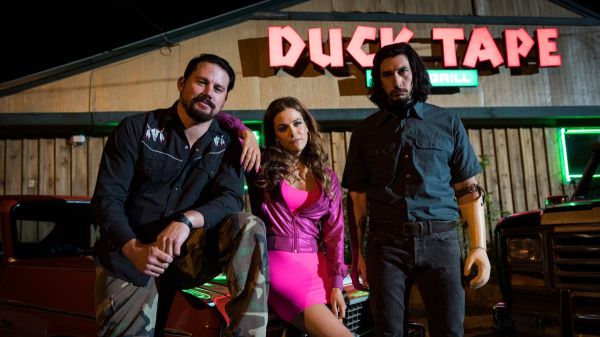
Steven Soderbergh’s return to filmmaking is a solid reinvention of the heist movie he helped re-establish with his Ocean’s trilogy. A witty script and fantastic performances, particularly from a nearly-unrecognisable Daniel Craig, make this more than just another crime caper. 8.5/10
American Made
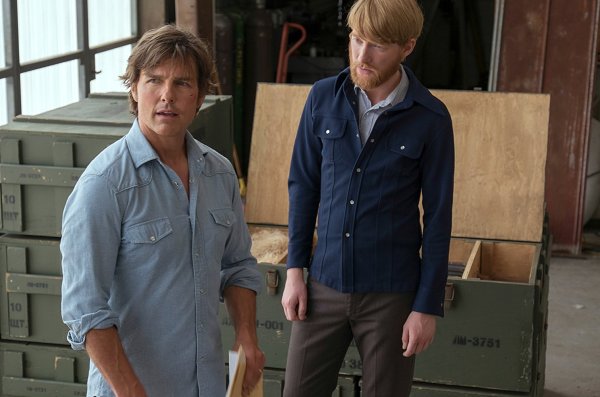
Tom Cruise and director Doug Liman tell an interesting true story that plays like Goodfellas mixed with Top Gun, packed with some good humour and insight into American intelligence agencies, but it fails to dig as deep into its characters and story as it could have. 7.5/10
WAR FOR THE PLANET OF THE APES – a review by JJ Heaton
Starring: Andy Serkis (The Lord of the Rings), Woody Harrelson (The Hunger Games), Steve Zahn (Out of Sight), Amiah Miller (Lights Out)
Director: Matt Reeves (Cloverfield)
Writers: Mark Bomback (The Wolverine) & Matt Reeves
Runtime: 2 hours 20 minutes
Release Date: 11 July (UK), 14 July (US)
I don’t think anyone would have thought even ten years ago that one of the best hard sci-fi series in recent history would be a series of prequels to Planet of the Apes, but both Rise and Dawn brought great character introspection and socio-political commentary to the summer blockbuster to make something truly special. Now we have reached the third instalment, at which point franchises usually tremble if not outright collapse. Dawn set in motion what promised to be an all-out war and, whilst War for the Planet of the Apes’ title may be somewhat misleading, the film itself is anything but a letdown.

Resuming the story two years after the events of Dawn, War continues on the themes of the ape vs. human conflict established by its predecessor and takes it in new directions. What’s most surprising about the film is that it isn’t the grand action spectacle the marketing has made it out to be. The film is bookended by some great action sequences, but a solid chunk of the film is mostly character-focused. That may be a disappointment to some, but this franchise was never about the action to begin with. It’s about the motivations and politics behind it, and War develops those ideas in tragic but inevitable ways; if you’ve seen the 1968 film, you know this can’t all end well. But even without action, the threat never falls too far away and the story is expertly paced to allow for respites of character development amongst the action beats. What the film should be most applauded for is its masterful use of visual storytelling. There are long stretches where not a word is spoken, with the third act being almost completely bereft of dialogue, but the story is communicated so well through the apes’ body language and the composition of the filmmaking that nothing should go over your head. By the film’s conclusion, War feels like a well-earned conclusion to a trilogy. The door is certainly left open for more, but the story that started in Rise feels definitively ended here.
Does it even need to be said that Andy Serkis gives a great performance? He was already the pinnacle of performance capture acting when the series began, and his portrayal of Caesar has only continued to evolve into arguably the most nuanced character of his career. Caesar has grown darker with each instalment as his optimism for the future of his people and the humans has dwindled, and here he is nearly pushed over the edge. But even at his most dire moment, Caesar always remains sympathetic and you root for him throughout. Sometimes those noble qualities are pushed a little too far with some on the nose biblical allegories, but it never becomes so cloying that you lose empathy for him. On the opposite side of the spectrum is Woody Harrelson’s haunting portrayal of The Colonel. He’s a man who comes across as extremely villainous on the surface, which is only exacerbated by the correlations the film makes between his warmongering followers and certain contemporary radical groups, but there’s humanity to his character. In a fantastic scene between him and Caesar, you quickly understand what this man has been through and why he commits the horrible acts he does. It’s a frightening performance, but one that makes you feel sorry for him up until the end. Serkis and Harrelson ultimately own the film, but the supporting players all do their jobs well, especially Caesar’s fellow mo-cap apes. Steve Zahn is a surprising bit of fun as Bad Ape, bringing comic relief to a morose film without ever breaking the tone, and Amiah Miller is a revelation as the mute young girl Nova.
The ever-evolving technology of visual effects has not only allowed us to take more and more of the restrictions of our cinematic imagination away, but it makes them even more realistic too. The effects in Rise were already near perfect, and now in War you’ll never even question their believability. These CG characters often get right up to the lens and there’s never a moment where their skin, their hair or even their eyes looks anything but genuine. This is even further impressive given the wide variety of environments they find themselves in; the way their bodies react to rain or snow is practically photo-realistic. But even beyond the impeccable effects work, the technical expertise here is all-around fantastic. The cinematography captures the bleak majesty of this slowly dying world, the designs of everything ape and human feels distinctive and summarizes their characters perfectly, and Michael Giacchino’s score is suitably grand and verbose.
War for the Planet of the Apes stands as quite possibly the best entry in the Caesar series, but also as one of the best conclusions to a trilogy in recent memory. It puts a cap on the themes that have driven this story since the beginning whilst also taking them to original places. It’s a film that doesn’t necessarily deliver on what you expect from of a summer blockbuster, but what it does give you is of far greater substance and entertainment that most of its peers would even attempt. This franchise will probably find a way to continue, but when it does I’m excited to see what new path it can forge for itself.
FINAL VERDICT: 9.5/10
SPIDER-MAN: HOMECOMING – a review by JJ Heaton
Starring: Tom Holland (The Impossible), Michael Keaton (Spotlight), Robert Downey Jr. (Sherlock Holmes), Marisa Tomei (The Wrestler), Jon Favreau (Swingers), Zendaya (Shake It Up!), Donald Glover (Atlanta), Jacob Batalon, Laura Harrier, Tony Revolori (The Grand Budapest Hotel)
Director: Jon Watts (Cop Car)
Writers: Jonathan Goldstein & John Francis Daley (Horrible Bosses) and Jon Watts & Christopher Ford (Cop Car) and Chris McKenna & Erik Sommers (The LEGO Batman Movie)
Runtime: 2 hours 13 minutes
Release Date: 5 July (UK), 7 July (US)
We are now on our third Spider-Man in fifteen years and, after seeing the character interpreted in now seven different movies, it’s hard not to compare the various incarnations. Sam Raimi’s first two Spider-Man films still stand as some of the best superhero movies ever made and helped to define the genre as we know it today, and not even the hot mess that is Spider-Man 3 can dampen that. I’m one of the few people that still appreciates The Amazing Spider-Man series for what it is, but it’s hard to deny those films suffered not just because of studio mandates but because they had such a hard act to follow. Spider-Man is a timeless and incredibly versatile character who has adapted to the times before and will continue to do so, but even in the hands of Marvel how can you define your interpretation as the most definitive when it’s been done so many times before? Spider-Man: Homecoming doesn’t ultimately fully overcome that trap, but it still succeeds in ways none of the previous adaptations have managed.

Picking up not long after the events of Captain America: Civil War, Homecoming functions as somewhat of an origin story for Spider-Man without diving into familiar territory. Instead of retreading the well-worn Uncle Ben story yet again, the film instead focuses on Peter Parker coming to terms with his place as a ground-level superhero and as part of the Marvel Cinematic Universe as a whole. It often feels like too much of a meta-narrative to Spidey’s own relationship with Marvel Studios through the years, but it functions well as a story that introduces us to this character in a fresh way without having to tread on familiar territory. Where Homecoming mainly succeeds is presenting a grounded and timely portrayal of Spider-Man’s world that gives it a fresh twist. The influence of John Hughes movies and other 80’s teen classics is clear throughout the film, resulting in what is probably the funniest Spider-Man movie to date, and makes Peter feel more like a teenager than any previous version has. The story itself has the right amount of stakes and twists; not too overblown to feel out of Spidey’s wheelhouse, but not so simple that it fails to live up to the spectacle of the MCU so far. Where the film falters however is the culmination of a larger problem with Marvel’s films have had for a while: they constantly undercut their sincerity with humour. Homecoming mines some great gags out of typical superhero situations, but they often come at the cost of ruining genuine moments of poignancy. Whereas Raimi’s movies embraced the melodramatic pathos of the character without irony, here it often seems like the movie feels too hip to allow an emotion to sink in without cracking a joke about it first. Doing that a little is perfectly healthy, but after a while it’s hard to take certain moments seriously when the movie itself won’t at others. But overcoming that, the film is still a blockbuster ride with a sweet touch of indie flavour, and hardcore Spidey fans should be satisfied by the plethora of Easter eggs and shout-outs sprinkled in intelligently throughout.
Tobey Maguire and Andrew Garfield both delivered different but totally valid and well constructed takes on Spider-Man in their respective films, and Tom Holland more than makes the role his own. His cameo in Civil War blossoms here into the most enthusiastic and endearing take on the character yet, filling him with a boyish sense of optimism and naivety. It’s hard not to feel for this kid who so buoyantly jumps into situations he’s unprepared for with such confidence, which makes it so frustrating and yet rewarding as he constantly fails. In terms of capturing the essence of the character from the comics, Holland has nailed it and he deserves to carry this mantle for as long as he can. His young supporting cast of lovable high school miscreants perfectly compliment Peter on his journey. Jacob Batalon makes for an excellent clingy but loyal best friend as Ned, Zendaya constantly steals the show with her brief screen time as Michelle, and Tony Revolori’s Flash Thompson captures the essence of the character whilst perfectly updating him for the modern day; no jock stereotypes here.
On the adult side, Michael Keaton’s Vulture is easily the best Spidey villain since Alfred Molina’s Doctor Octopus. He doesn’t quite have that iconic look or presence, but the character’s motivation feels not only relatable but incredibly relevant as a working stiff trying to prove he’s as capable as the fat cats; after seeing so many wealthy and elitist supervillains in recent years, it’s great to see one who’s just trying to make a living but has gone too far. There are a few other side villains like Shocker and Tinkerer amongst others that maybe don’t get as much time to shine as I would have liked, but it ultimately works. They are clearly supporting players to Keaton, and the story leaves plenty open for their roles to be expanded in the future. Marisa Tomei makes for a very different interpretation on Aunt May but again is a change of pace that feels necessary for the times, and any chance to see more out of Jon Favreau as Happy Hogan is a pleasure worth indulging in; he is the true unsung hero of the MCU. Robert Downey Jr. is thankfully used sparingly in the film, entering in just when the plot needs him to act as Peter’s aloof mentor. This is not the Spider-Man/Iron Man team-up movie some of the marketing may have made you believe. This is a Spider-Man movie simply set in a universe where Iron Man happens to exist.
Homecoming fits into the MCU aesthetic whilst forging enough of its own identity in the process. Its worn city street environments and comforting high school hallways feel like a far cry from the fantastic vistas the larger-scale Marvel movies have spoiled us on, but it’s all the film needs to convey the comparatively-grounded story it seeks to tell. Whilst the action might not be as instantly iconic as some moments from the Raimi movies for example, the filmmakers have certainly found new situations to test Spidey’s abilities in. Seeing him swing through the skyscrapers of Manhattan is something we’re all used to, but how is Spider-Man expected to negotiate environments like a suburb or a plane? The film finds clever and often humorous answers to those questions. On a music level, Michael Giacchino delivers a lively and uplifting score worthy of the character though, much like anyone who has attempted a Superman score after John Williams, topping Danny Elfman’s work is a tough mountain to climb. The movie also makes some great use out of pop music both contemporary and retro, giving it that youthful and anarchic edge that a teenage superhero needs. That and any movie that features A Flock of Seagulls’ “Space Age Love Song” immediately wins a piece of my heart.
Spider-Man: Homecoming is ultimately a success in bringing the character into the Marvel Cinematic Universe in appropriate fashion, but it is neither the best Spider-Man movie nor a particularly landmark title in the MCU thus far. It gives the character the fun and carefree attitude he’s needed for years, but in grounding him so much from the larger Avengers action it robs him of his sincerity. Spider-Man is an upbeat and youthful character, yes, but he’s also one saddled with a lot of tragedy and internal conflict. Homecoming gives us some of that, but not enough to balance out the fun. With everything said, Spider-Man is at least clearly in a safe place now, and there’s ample opportunity for this take on the character to flourish and perhaps even spawn the best movie this character will ever have. Only time and continued friendly relations between Sony and Marvel will tell.
FINAL VERDICT: 8/10
BABY DRIVER – a review by JJ Heaton
Starring: Ansel Elgort (The Fault in Our Stars), Kevin Spacey (House of Cards), Lily James (Cinderella), Eiza Gonzalez (From Dusk Till Dawn: The Series), Jon Hamm (Mad Men), Jamie Foxx (Collateral)
Writer/Director: Edgar Wright (Hot Fuzz)
Runtime: 1 hour 53 minutes
Release Date: 28 June (US, UK)
Though massive commercial success still eludes him, Edgar Wright still remains many a cinephile’s choice for favourite working director. He has a unique and instantly recognisable style, and yet he always brings something new to the table with each film. He finds comedy in the smallest details and spectacle in the most mundane of places, and every frame of film he makes is packed with a passion for cinema. Baby Driver marks as somewhat of a departure from Wright’s usual style, but it is still undeniably a film that could have only come from his mind. Bringing his sensibilities to the classic car chase movie is a match made in heaven, making Baby Driver a summer ride you won’t want to miss.

First things first, it should be made clear that Baby Driver isn’t a comedy in the traditional Wright sense. It’s still packed with humour and funnier than most straight-up comedies this year, but the movie balances that with a lot of other genres. It’s an action movie, a crime thriller and a romance story all in one, blended seamlessly together to craft a movie made from familiar parts but assembled in a unique way. It borrows a lot of elements and iconography from car chase classics like The French Connection, Bullit and The Blues Brothers, but the story itself feels wholly unique. Every time you think it’s going to take the trodden path, it finds a new way to follow it if not outright avoid it. However, as well as it remixes the classics, it doesn’t quite add something inherently new to the genre or Edgar Wright’s filmography; they just compliment their respective trappings. There’s nothing inherently wrong with that, but if you’ve grown tired of Quentin Tarantino’s shtick then you might find this more troublesome. Also, the ending feels a little abrupt. The action peaks a little too early and then it feels like the film is building up to something bigger, but it ultimately goes in a totally different direction. It feels intentional as another of Wright’s genre subversions, but original or not it still feels like the audience is being undercut.
Among Wright’s many other talents, he knows how to assemble a good cast and get remarkable performances out of unlikely actors. Similarly to Michael Cera in Scott Pilgrim vs. The World, Ansel Elgort’s pretty boy YA image is successfully utilised in a unique way as the titular Baby, moulding him into a millennial combination of Ryan O’Neal and James Dean. Elgort doesn’t say much but he gets across a lot through physicality, which works especially well in all of the physical comedy bits sprinkled into the action sequences; he’s essentially Ryan Gosling from Drive, but cute instead of disturbing. A lot of the comedy is mined from Baby’s interactions with the varyingly insane cast of criminals he has to work with, and all of them are entertaining in their own wat. Kevin Spacey makes for the perfect crime ring boss as Doc, being mysterious and conniving but with a subtle soft spot, which makes every interaction he has with Baby packed with uncertainty. Jon Hamm and Eiza Gonzalez make for a delightfully deranged couple as Buddy & Darling, and Jamie Foxx constantly steals the show as the appropriately nicknamed Bats. The only cast member close to being weak is Lily James as Debora. She makes for a sweet love interest and does share some good chemistry with Elgort, but it takes her a little too long to get caught up in the action; until the third act, she could just be a Sexy Lamp and it wouldn’t make much difference.
Where Wright’s filmmaking chops really come into play is in all the technical execution and, whilst Baby Driver is easily the most grounded in reality of all of his movies, his style is still clearly all over it. The car chases in this film are spectacular, executed in a way unseen since the 1970s heyday of the genre. The practical stuntwork all around is superb, and that goes for both vehicle stunts and on-foot. One of the best action sequences in the film is an on-foot chase between Baby and the police, which is accomplished with a lot of long, sweeping takes. Bill Pope’s cinematography in general is fantastic across the board and, combined with some of the slickest editing in a Wright movie ever, makes for a flawless visual experience. Equally as beautiful is the film’s soundtrack, which is an eclectic mix of genres and eras that creates a perfect soundscape for the movie that would make even Star-Lord blush. Every scene is practically timed to the music down to the tiniest movements, which only enhances the energy of every moment; much like on Scott Pilgrim, Wright uses the techniques of musicals to great effect without ever fully turning the film into a musical itself. I don’t think I’ll ever be able to listen to any of these songs ever again without linking them to their respective scenes in this movie.
Baby Driver is maybe not Edgar Wright’s finest work, but it does show he has more up his sleeve than comedies about manchildren learning to grow up through the tropes of a genre picture. The balancing of tone and genre here is so deftly handled that it feels unequivocally Wright whilst still feeling apart from his previous work, and no amount of ridiculous Fast & Furious car stunts could ever match the tangible, foot-tapping energy the chases here pull off. However, I do worry that eventually Wright is going to run out of tricks. There’s only so many times you can pull the “here’s my quirky take on this genre that mixes elements of all my favourite movies” bit, but I do have a sincere belief that he will find something that can mix up his own formula instead of constantly falling back on using his to mix up others’ work.
FINAL VERDICT: 9/10
TRANSFORMERS: THE LAST KNIGHT – a review by JJ Heaton
Starring: Mark Wahlberg (Deepwater Horizon), Anthony Hopkins (The Silence of the Lambs), Josh Duhamel (Life as We Know It), Laura Haddock (Guardians of the Galaxy), Isabela Moner (Middle School: The Worst Years of My Life), Jerrod Carmichael (Bad Neighbours)
Director: Michael Bay (Pain & Gain)
Writers: Art Marcum & Matt Holloway (Iron Man) and Ken Nolan (Black Hawk Down)
Runtime: 2 hours 29 minutes
Release Date: 21 June (US), 22 June (UK)
What is there even left to say about the Transformers franchise at this point? Every flaw that could be pointed out has been highlighted again and again for ten years now. I could pretty much just copy and paste my review of Age of Extinction here and it would still be a generally accurate summary of The Last Knight. I can’t even say I had any optimism going into this one, and for that I can say I at least wasn’t as surprised by how bad it is. I was just bored, exhausted, and in awe of how such a film can even be made in the current cinema landscape.

Five films in, and they still somehow can’t come up with a new plot for a Transformers film. Once again, there’s some artefact from Cybertron hidden on Earth that the Decepticons want to use to destroy the world and only the humans and Autobots can stop them. There is nothing new here at all, and what the film thinks are new twists are just wholesale ripped off from the previous films. The movie may be the shortest and have the fastest pace of all the films since the first, but that’s mainly because it has the shortest attention span of all of them. The aborted hodgepodge of a plot races from scene to scene like an eight-year-old on a sugar high, blurting out exposition and throwing around action sequences without ever once stopping to realize nothing it is saying or doing makes any sense. If I were to describe exactly what happened in this movie to you without a shred of irony, I would sound like a delusional, conspiracy-believing mental patient. The humour may be less insensitive than usual but it’s still embarrassing to sit through, and though the product placement isn’t as torrential as before it’s still plainly obvious when it’s there. The film lacks any cohesive flow or an emotional core to latch onto, once again being nothing but two and a half hours of nothing but mindless spectacle. It boggles the mind that after this long, these films still can’t even follow the basics of narrative storytelling; you know, the kinds of things most stories have without even having to think about.
Mark Wahlberg’s performance in Age of Extinction was laughable, but at least it had this frantic sense of energy to it. Here, he just looks absolutely bored the entire time and doesn’t share an iota of chemistry with the rest of the cast; I can’t believe I’m pining for the days when he was shouting insults at his daughter’s boyfriend. Laura Haddock is probably the most respectable female lead the franchise has had, but that doesn’t mean she’s a particularly well-written character or that Bay doesn’t objectify her at every opportunity; even her comebacks to sexist remarks come off as kind of sexist. Isabela Moner is a decent new addition but the film pretty much forgets about her after spending the first act setting her up, then constantly strains to find ways to keep her relevant when the easy solution would be just to cut her character; the same sentiments go to Jerrod Carmichael. Josh Duhamel and John Turturro return from the original trilogy but both are pretty thankless roles, whilst Stanley Tucci is back but playing a completely different character. Why? Was there supposed to be some kind of connection between his character here and in the last movie? And then there’s Anthony Hopkins, who has somehow found a way to embarrass himself more than any other of his paycheck performances. The film is almost worth seeing just to behold how certifiable disturbed his performance is. You have not witnessed a career sh*t its own pants like this until you see Hopkins say, without any sarcasm, “That’s one bitchin’ ride!”
Oh yeah, and the Transformers are in this movie, I guess. Optimus Prime is barely even in it, with only a few scant scenes in the beginning before showing up in the climax, and that whole “Prime is now evil” thing all the marketing was about is resolved pretty quickly and conveniently. Bumblebee’s whole arc here is about getting his voice back (which is something he actually did at the end of the first movie which they then swept under the rug in the following sequels), and they reveal all this backstory for him to ostensibly set up his spin-off next year. The rest of the Autobots are pretty pointless, with the introduction of a fan favourite like Hot Rod being made a big deal of and then he never does anything again. The Decepticons don’t fair much better. Megatron is back to his old self with no explanation, as is Barricade, and all of the new minions are a bunch of gangsta stereotypes with literal gold chains and no personality. Hopkins has a sociopathic robot sidekick called Cogman who gets annoying really fast, and the main villain Quintessa is as vague an antagonist as her name is stupid: very.
Do I even need to explain Michael Bay’s directing aesthetic again? Everything’s pretty much business as usual. The cinematography is saturated to infinity and can’t focus on anything for more than a few seconds, the production design is overwrought and inconsistent, and the editing feels like a six-year-old playing with a pair of scissors did it in an afternoon. But adding to the usual sensory overload is a new visual quirk for Mr. Bay: constantly changing aspect ratios! Sections of the film were shot with IMAX cameras but, instead of just shooting a few select sequences in the formant and using normal cameras for the rest, the film frequently flits between three different aspect ratios, often in the middle of a scene; a simple conversation between two characters can have each character presented in a completely different shot ratio. It’s constantly distracting and makes no logical sense, and why they couldn’t just make a 2.35:1 version for regular theatres is baffling. When the only good technical aspect of the film I can think of is the few times Steve Jablonksy recycles music from the first movie made me ever so slightly nostalgic for 2007, there’s something seriously wrong.
Transformers: The Last Knight is a terrible movie, but you probably didn’t need me to tell you that. What gives it its unique badness is just how banally insane it is. No other movie would get away with being this idiotic, sophomoric and lewd, but we always just throw up our hands and say, “Well, that’s Michael Bay for you.” That’s not good enough. I am willing to play devil’s advocate and say that Bay is far from being an untalented hack. He clearly has a distinct visual style, as well as a strong understanding of film language, and his films have had a huge impact on many aspects of modern blockbuster production. But he has also constantly shown an indifference towards his audience and a willingness to put as little mental effort into his work because he makes money either way. No one else can get away with that kind of arrogance in this business without astounding critical acclaim to back it up. Bay has said this is his last film in the franchise, but he said that after the last two movies as well. If he really means it this time, that’s fantastic. This is an opportunity to make something decent that doesn’t have to be smart, but can at least not insult my senses; if Transformers movies were at least as good as the recent Fast& Furious movies, I’d be satisfied. But if Bay comes back once again for whatever reason, then all we can do is perpetually wait for the general public to finally get bored of him.
FINAL VERDICT: 2/10
THE MUMMY – a review by JJ Heaton
Starring: Tom Cruise (Jack Reacher), Sofia Boutella (Star Trek Beyond), Annabelle Wallis (Annabelle), Jake Johnson (Jurassic World), Courtney B. Vance (Office Christmas Party), Russell Crowe (Gladiator)
Director: Alex Kurtzman (People Like Us)
Writers: David Koepp (Spider-Man) and Christopher McQuarrie (Edge of Tomorrow) and Dylan Kussman (Burn)
Runtime: 1 hour 50 minutes
Release Date: 9 June (US, UK)
Marvel Studios really set the groundwork for how to make a cinematic universe, but no one else has managed to step up to the plate to meaningfully challenge them. DC has only just managed to make a movie that’s genuinely great after uneven results, whilst Legendary’s Monsterverse is young but still shows plenty of potential, but no studio has tried harder and failed more miserably than Universal trying to resurrect their classic series of monster movies. Their confused remake of The Wolfman and the abysmal Dracula Untold were both quickly swept under the rug after failing, but now they’re gunning harder than ever. Officially dubbing the series “Dark Universe” with a fancy pre-titles logo and a slate of movies set with major talent lined up, you’d think Universal had a movie as solid as Iron Man on their hands to plan out this intricately this far in advance. But you would be wrong. So, so wrong. The Mummy is an absolute disaster of a start for a potential franchise; a train wreck of bad decisions that makes Batman v Superman look like The Avengers in comparison and casts serious doubt on this franchise continuing beyond this point.
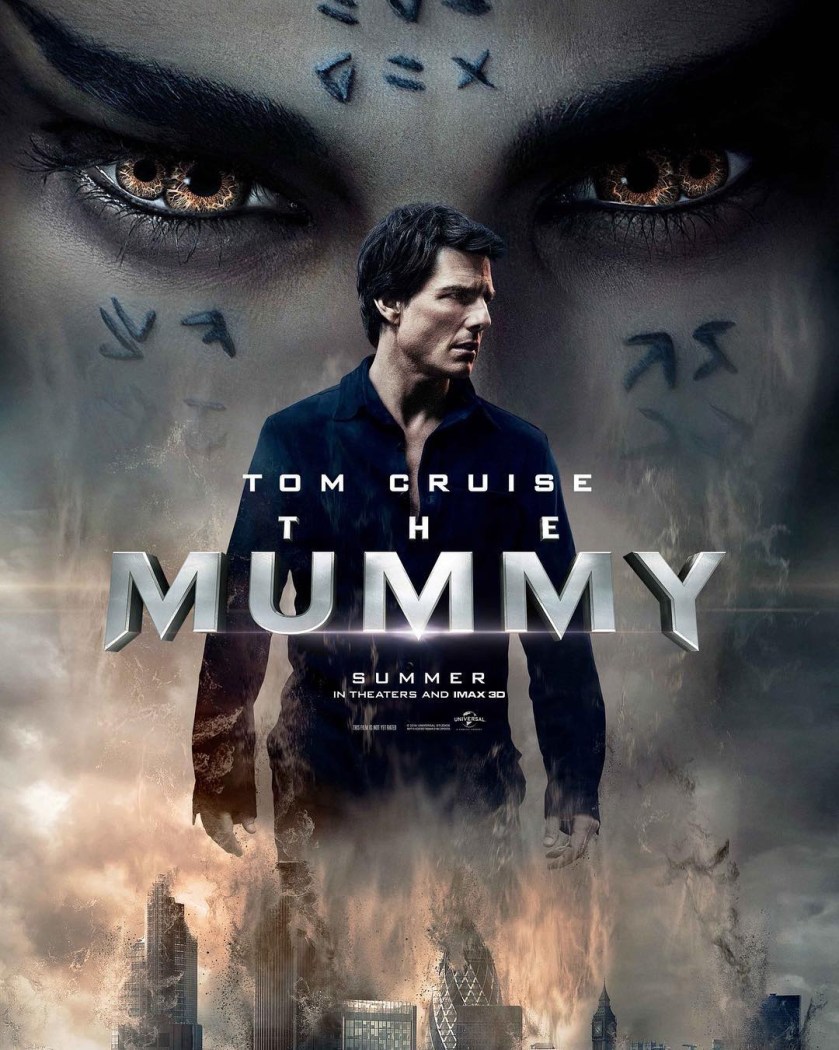
Up front, the biggest problem with The Mummy is that it has no idea what kind of movie it even wants to be. You’d think they’d try to evoke the feel of the classic Universal Monsters movies and make a moody, atmospheric horror film. No major studio is making big budget horror anymore, and with the right vision they could carve out a new market whilst still cashing in on the movie universe trend. But rarely does The Mummy ever try to genuinely scare or even unnerve. Most of the time, it feels like an unholy mixture of the Brendan Fraser Mummy movies, Indiana Jones and the Kingdom of the Crystal Skull, any of the Pirates of the Caribbean sequels, and the worst superhero movies of the past ten years. The film’s story is insultingly simple and yet needlessly complicated, with the plot then essentially coming to a halt halfway through so they can set up their universe in the most tedious way possible. You thought Bruce Wayne finding a flash drive full of info on metahumans stupid and contrived? Wait till you see Russell Crowe drone on about his secret society of monster hunters for ten minutes! The film is essentially two hours of exposition, action sequences and incompetent brand management, and when the film isn’t frustrating you with how tedious and lifeless the whole enterprise is, you’ll just be bored.
Say what you will about Tom Cruise, but the man usually has decent taste in film choices. What convinced him to star in this tripe is completely lost on me, because not only is the material not good, but also his character is so incredibly indefinable that the movie never even properly explains his occupation. Cruise’s Nick Morton has no clearly definable personality, history or motivation beyond what other characters tell us about him, and what little character is there is just Cruise acting on auto-pilot. There’s all this talk about him being a rebel and that he has demons to get over, but Cruise himself never really has a chance to exhibit any of this. This feels like a role that was written for a typical Hollywood bland man like Sam Worthington or Jai Courtenay, but Cruise somehow manages to exhibit even less charisma than the finest performances of those actors’ entire careers. Annabelle Wallis fares little better as a totally superfluous and vague love interest who’s only real purpose is the blurt exposition at Cruise, whilst Jake Johnson is relegated to being annoying comic relief and then ripping off Griffin Dunne’s role in An American Werewolf in London; if this movie was made in the 90s, Rob Schneider would have played this character. The only actors who shine at all in this mess are Russell Crowe as Dr. Jekyll and Sofia Boutella as The Mummy herself. Boutella works because she actually seems to be trying, delivering a genuinely nuanced performance with very little screen time or dialogue, whilst Crowe eats up the scenery at every chance he gets; I’ll take hammy Crowe over boring Crowe any day.
The Mummy contains far more action than horror, but it never gets either element right. The action sequences are loud, relentless, poorly directed, driven mostly by CGI, and lacking in creativity. The one close-to-original stunt, the much touted zero gravity plane sequence, is staged and directed without any original flair and is over far too quickly to impact. When it comes to scares, all they can really muster are some lame jump scares or some mildly creepy imagery, failing to capture either the moody ambience of the classic monster movies or the unnerving terror of modern horror films. There is some cool design work here, like how The Mummy reforms herself or how her mindless minions gait around like all their limbs are broken, but none of it is particularly outstanding. Not even Brian Tyler’s score for the film can muster anything past generic.
If Marvel established the textbook way of how to start a cinematic universe, The Mummy should serve as the example of how not to. It can’t decide on a tone or a genre, it doesn’t set up any interesting characters, it doesn’t tell a coherent story, it fails to deliver any memorable action or horror sequences, and its attempts to build a world are basically reduced to talking about it instead of letting the universe naturally unfold. It feels less like a filmmaker trying to create a good movie they genuinely care about, and more like a studio attempting to copy a trend and slapping one of their established brands on it. If Universal are genuinely serious about using this as a springboard for a whole series of movies, they are about to make Warner Bros and DC look like prodigies.
FINAL VERDICT: 3/10
 Alternative Lens