

Starring: Mia Moore Marchant (The People’s Joker), Aria Taylor (Charlie Says), Abigail Thorn (House of the Dragon), Jon Meggison (A Haunting in Ravenwood)
Directors: Heather Ballish & Mia Moore Marchant
Writer: Mia Moore Marchant
Runtime: 1 hour 39 minutes
Release Date: TBC (US, UK)
Synopsis: After being trapped repeating the same day over and over for years, self-destructive rocker Agatha struggles to readjust to reality when the time loop abruptly ends. Faced with a tomorrow for the first time in forever, she is left questioning everything about her life, especially her relationship with runaway bride Tessa.
To be honest, for the longest time, I didn’t think I’d ever post here again. I remember when I decided to retire as a film critic, I told myself I was going to write some kind of goodbye essay. You know, explain why I decided to quit after over a decade of reviews? Like a lot of things in my life, sadly, I kept putting it off and off until I didn’t even see the point in doing that. I could go on and on about the various reasons why I stopped, but you’re not here to read about that. You’re here because, presumably, you want to know whether this queer indie sci-fi romance flick is any good. However, I bring up my absence for two important reasons. For one: being provided a screener for Again Again, which I had been interested in since its crowdfunding campaign began, by the filmmakers themselves is the reason I’m even writing these words. More crucially, though, the themes of the movie just inherently brought to mind a lot of the complicated feelings that led to my retirement. How, I imagine you asking? Well, let’s get into it before I start to regret starting this review…
Every movie about a time loop gets inevitably compared to Groundhog Day, and although so many movies have come and put their own unique spin on the concept by switching up the genre or what kinds of characters are stuck in this predicament, Again Again asks the question none of these films have ever thought to: what psychological toll does that take on someone, and how do they move on when and if the loop breaks? Sure, we’ve seen plenty of stories where the protagonist escapes, but it’s always portrayed as a relief and the credits tend to roll quickly after. By contrast, when Agatha realises that Friday has finally come after thousands of Thursdays in a row, she collapses from shock and is left in an existential state of uncertainty. Can she return to her life as planned before and, more pertinently, does she even want to? Whilst being stuck in a time loop isn’t exactly a predicament anyone watching can actually relate to, the storytelling communicates the agony and numbing effect of the repeating days in a way that should be familiar to anyone who has experienced traumatic cycles of abuse or neglect. Taking away all the sci-fi and fantasy window dressing, Again Again is essentially about learning to cope with crippling CPTSD, with Agatha having to reconcile the trauma inflicted upon her with how she has affected that same pain on others without consequence…until now, that is.
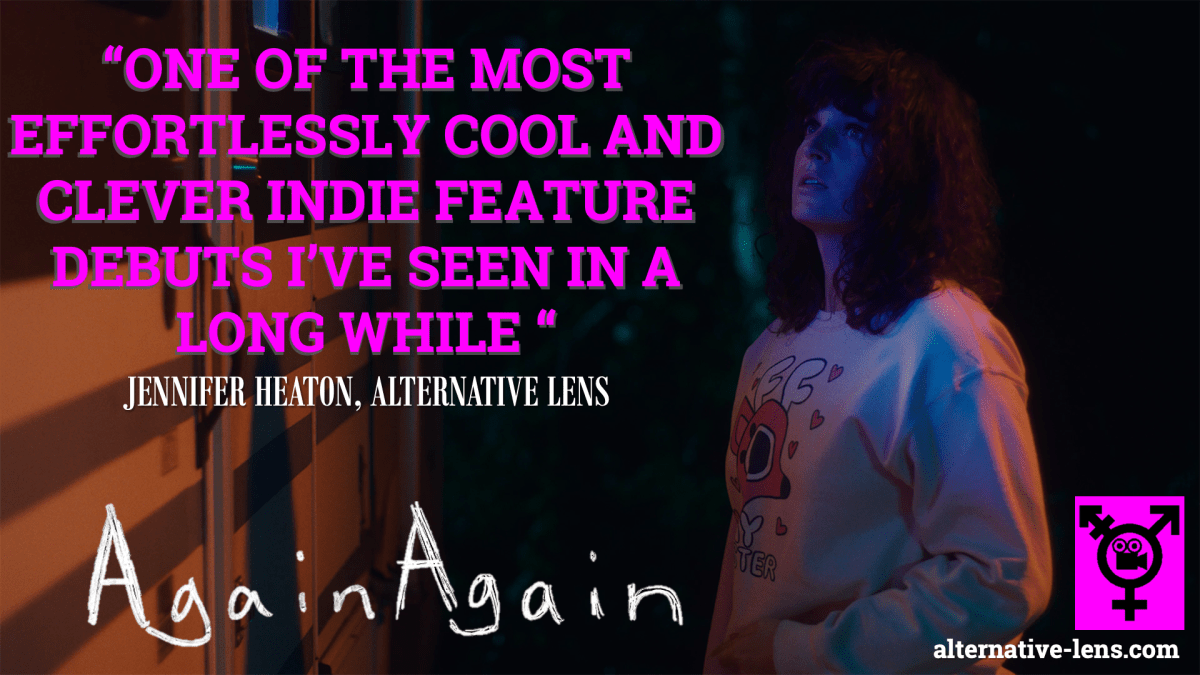
The screenplay is incredibly well-structured, starting in media res on the final night before Agatha is unknowingly faced with tomorrow, then jumping back and forth into the 2863-or-so previous loops so naturally that you never feel disconnected from the present-day narrative. The movie does perhaps feel longer than its brisk 100-minute runtime might suggest, but never in a way that makes it seem overlong or boring. If anything, it only adds the effect of the time-bending narrative, and it makes some really smart narrative choices in explaining why these ruptures in time are happening, but wisely never saying how. Overall, it’s one of the most effortlessly cool and clever indie feature debuts I’ve seen in a long while, crafting a tale of seemingly inescapable suffering through an intoxicatingly hopeful lens that really compliments the currently uneasy and distraught emotional climate.
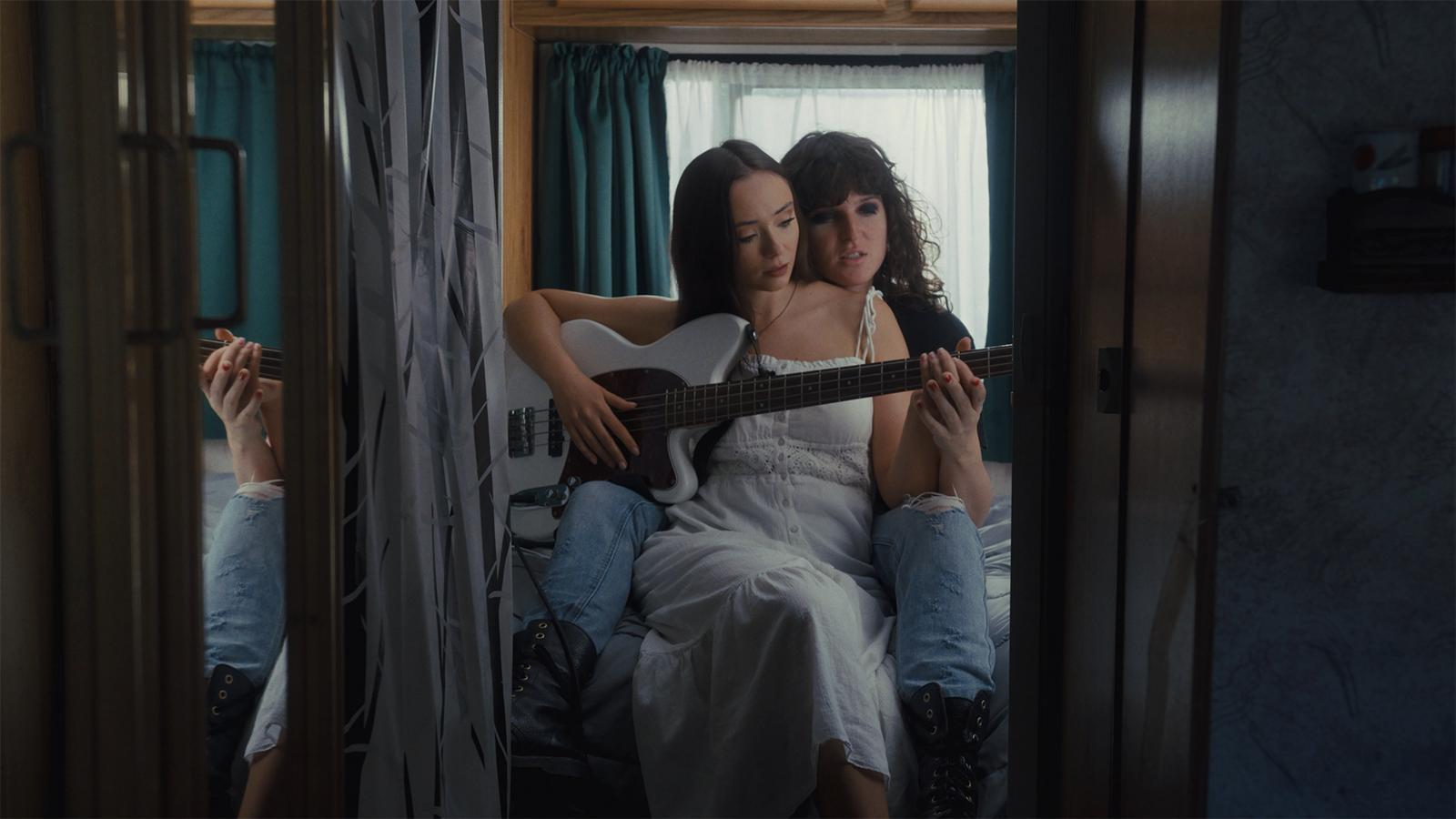
Writing and co-directing your first feature should be tough enough, but starring in it too is really tempting fate, and yet that’s exactly what Mia Moore Marchant has done here. Playing the role of Agatha, Marchant’s performance maybe isn’t that nuanced or transformative when compared to some more accomplished thespians, but she absolutely nails a quality so many great actors are never able to: she effortlessly plays an incredibly toxic and even unlikable character at times, but one you never lose sympathy for. Agatha is the dictionary definition of the phrase “hurt people hurt people”, desperate for validation and acceptance whilst reflexively driving away those who might give her what she wants and chastising them for even trying. I don’t know if Marchant is drawing from her own mental health struggles in her writing and performance, but the character does feel like it’s coming from a brutally honest place and she does a wonderful job of keeping us rooting for Agatha, even when she’s actively rooting against herself.
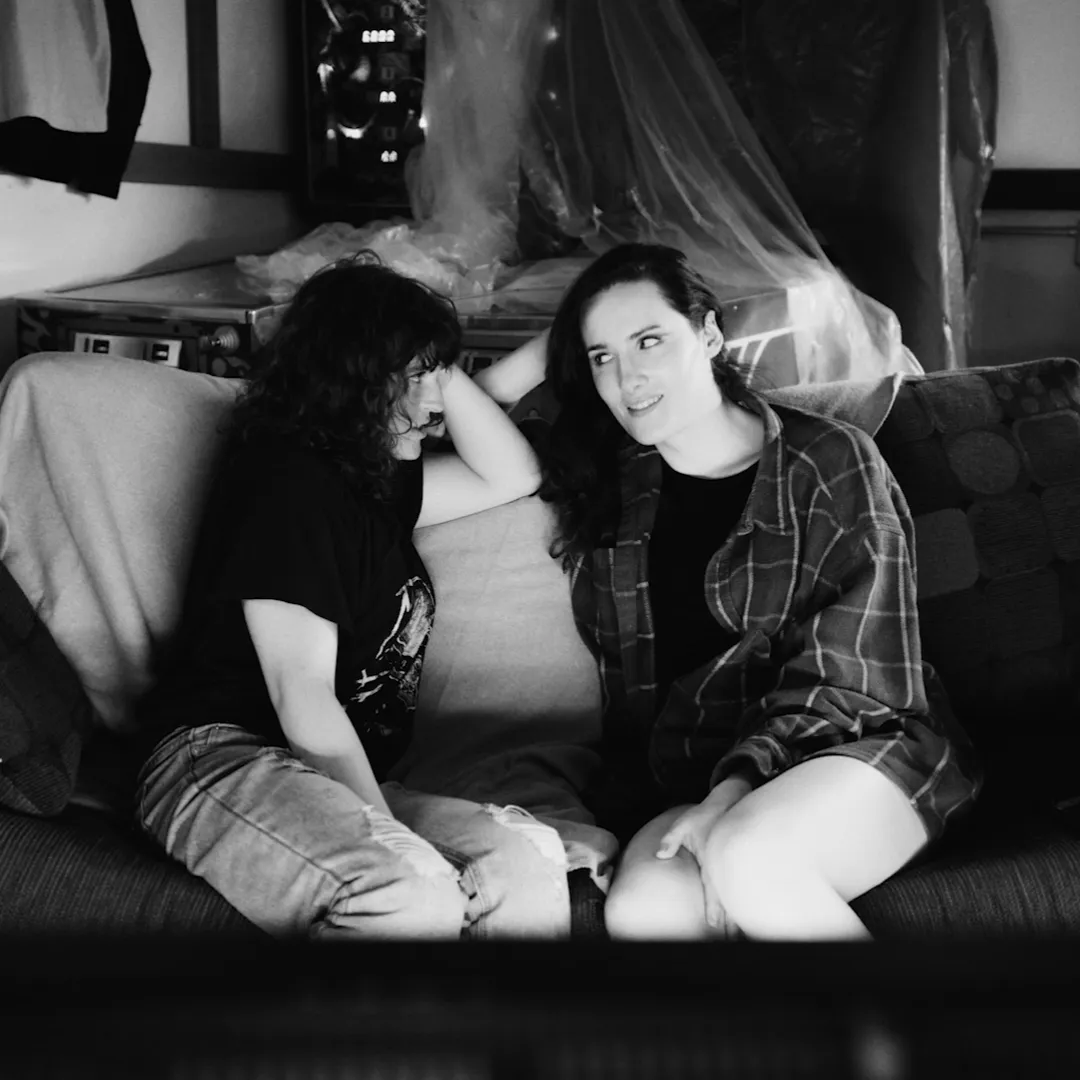
Framing the story around her tumultuous relationship with childhood best friend-turned-lover Tessa especially highlights their disparate personalities and viewpoints, with Aria Taylor’s calmer and more reasonable turn helping to ground things paired against Marchant. That’s not to say Taylor or the script doesn’t give Tessa any dimension, because she too has her own hang-ups and mistakes to reckon with over the course of the story, and that seemingly blissful exterior makes the moments where she does break under Agatha’s self-pity that much more effective. Queer identity and sexuality are also concepts at the core of Again Again’s tapestry, with Agatha’s transgender status being another sore spot that adds to her feelings of isolation and rejection, whereas Tessa is still coming to terms with her romantic feelings for Agatha despite a life of being seemingly heterosexual beforehand; after all, this relationship has only been a sudden two-day fling from her perspective after abandoning her fiancé Jason (Jon Meggison) at the altar. The film is really made or broken on the chemistry between Marchant and Taylor, and luckily it oozes off the screen for them. The dialogue between them, whether flirting or fighting, feels like the genuine product of a dysfunctional relationship and further grounds the film’s drama amidst its heightened premise. Much of the rest of the cast is pretty incidental and rarely present for more than one scene, with the only other significant recurring character being Philosophy Tube host and television actress Abigail Thorn, making her own feature debut, as record shop clerk Naomi. Thorn absolutely makes the most of her limited screentime, especially stealing the show when she recounts the breakdown of a previous relationship to Agatha before the scene turns somehow even more tragic; she really is a star on the rise, and hopefully we see more of her on the big screen soon (and hopefully extra screentime in the third season of House of the Dragon too).
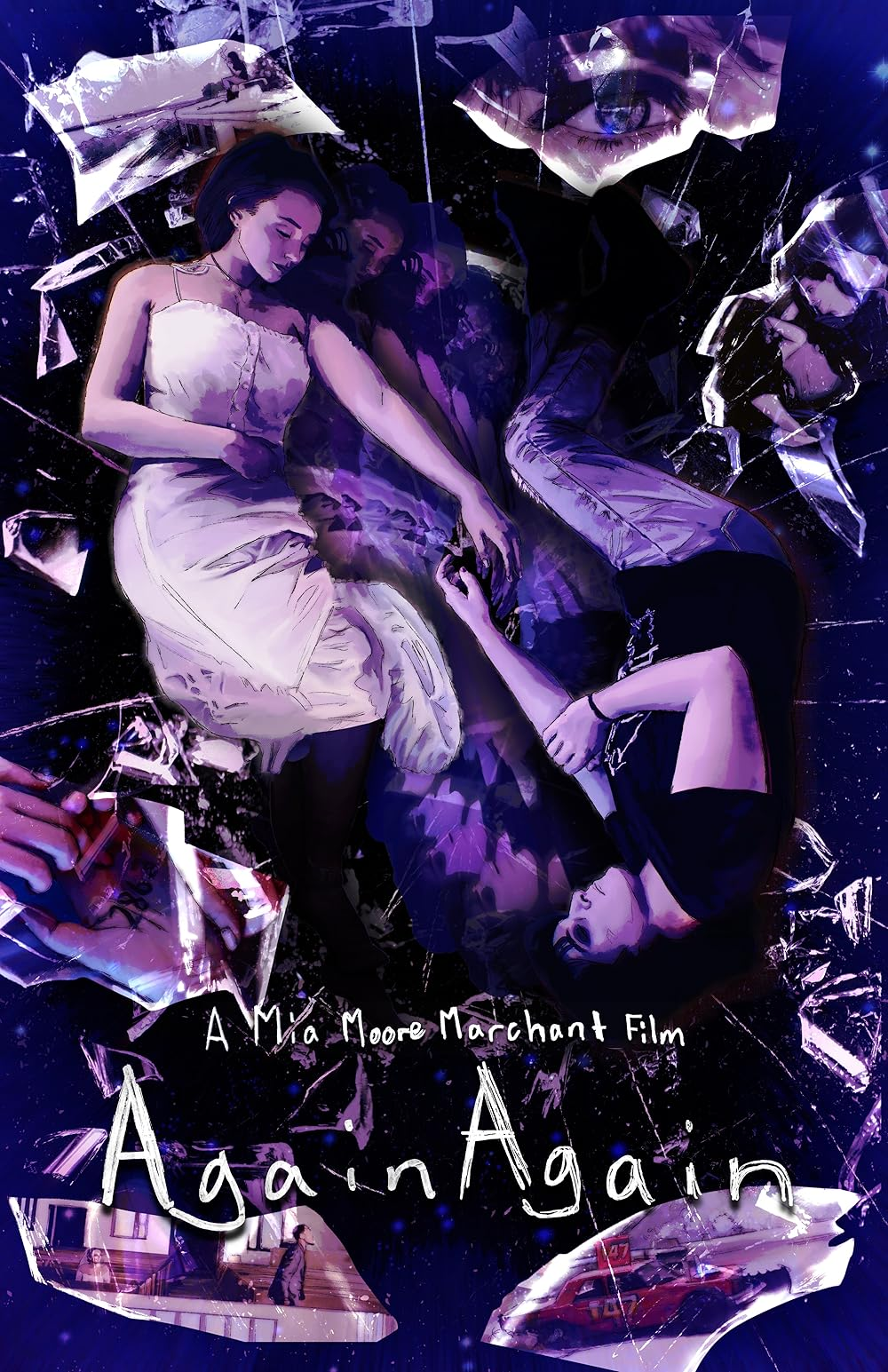
Truly independent films (not low-budget movies released under a studio’s artisan subsidiary label) are always going to have trouble matching the production value of a Hollywood production, but the best of them compensate for that lack of funding through style and ingenuity. Again Again is an indie through-and-through, and it is thankfully one that uses its limited budget wisely. The film essentially uses the town of Aberdeen, Washington as its studio backlot, with the sleepy and rundown aesthetic of the location adding to the stuck-in-time vibe of the whole production. The movie absolutely owes some tribute to David Robert Mitchell’s It Follows in how it centres retro technology where, despite the contemporary setting, characters use mid-2000s flip phones and watch movies on VHS. The cinematography is mostly pretty standard but it occasionally captures an evocative image, especially in the repeated motif of Agatha and Tess lying head-to-toe in bed whilst the camera looks down on them from above. Where the movie really shines technically is how it visually communicates where on the timeline each scene sits, using different aspect ratios, colour grading, and even camera quality to quickly and effectively communicate that info to the audience without obtrusive title cards; the only thing missing was for the movie to go full Louise Weard and film a scene on videocassette. Marchant further adds to her multi-hyphenate by also contributing the film’s mellow guitar score, whilst much of the soundscaped is supported by a litany of indie queer bands and artists. When the needle drop over the opening credits is a Left at London track, you know you’re watching something made by a trans femme.
Bringing this all back to the start, I stopped posting on this site because I had grown tired of the futile repetition of writing review after review, trying to make traction in an overcrowded and undervalued space like film journalism, to the detriment of my other film career goals, my mental health, and my own ability to simply watch a movie without turning it into more work for me. Again Again reminded me of the despairing uselessness I think a lot of us feel when we’re alone fighting an uphill battle, but it also shows the beauty and sense of perspective that can come from surviving such difficulty. It trulyis a worthy addition to the indie sci-fi library and deserves to be spoken of in the same breaths as other low-budget darlings like Moon, Coherence, and Timecrimes. The fact it centres queer characters and voices is almost incidental, as it ultimately tells a story of finding love and meaning through the traumas of life that should be universal in a post-COVID world, but the fact it does have that kind of unabashed representation only makes it stand out more amongst its peers. Marchant and co-director Heather Ballish have crafted something very unique off the back of a well-worn premise, proving again that even familiar stories can be told afresh again, and one can only hope it finds the audience out there that I know is hungry for something just like this.
FINAL VERDICT: 8.5/10


