T2: TRAINSPOTTING – a review by JJ Heaton

Starring: Ewan McGregor (Moulin Rouge!), Ewen Bremner (Alien vs. Predator), Jonny Lee Miller (Elementary), Robert Carlyle (Once Upon a Time), Anjela Nedyalkova (Avé)

Director: Danny Boyle (Steve Jobs)

Writer: John Hodge (The Program)

Runtime: 117 minutes

Release Date: 27 January (UK), 17 March (US)

Trainspotting is an iconic film in many regards. It’s the film a lot of people think of when they think of Scotland. It’s the film that jumpstarted Danny Boyle’s career, as well as the careers of its entire cast. It’s a perfect encapsulation of 90s culture, especially in regards to the youth and the drug scene, but it’s still just as relevant today. So why make a sequel? There are plenty of reasons not to, but just as many to do so as well. You could tread on the heels of a classic, but equally you could expand on a story that may play out a little differently in the modern world. T2: Trainspotting ultimately doesn’t need to exist but, even though it can never reach the heights of its predecessor, I’m glad it does.

t2-trainspotting-uk-poster

Picking up in real time from the end of the first movie, T2 finds the characters of the original scattered. In many ways time has changed them, but they all still have the same ticks and vices. It’s a story about reflection, rediscovery, and accepting your lot in life, as our protagonists struggle to recapture a lost past that was never that good to begin with. It is a film more focused on character than story, and on that level it ultimately succeeds, but in the actual plotting it feels a little unfocused. The original film didn’t exactly have a flowing narrative either, opting for more of a slice-of-life feel, but each story flowed more naturally into the next. Here, the film basically starts with a handful of storylines and waits to see which ones last until the runtime is up; some ultimately mean something, but a lot just drop of the face of the movie. The film also reminded me a lot of the fourth season of Arrested Development in how infrequently the main characters share scenes, instead following them in their own stories that intertwine here and there; it actually takes until near the end before all four of them are finally together. The strong character journeys themselves thankfully hold the film together to create a tangible through line, because without them the film would feel far more haphazard.

Speaking of character, all four main stars recapture the essence of their characters whilst still bringing something new to the table; it’s like they’ve been living in the skins of these people for twenty years and brought all that baggage with them. Ewan McGregor’s Renton has changed the most, having tried to choose life but ultimately made a mess of it. He’s more aware of his mortality than ever and is trying to reconcile his past, but he’s come back home to find that not everything can be changed. Ewen Bremner as Spud is as dopey as ever, still screwing up job opportunities and fighting his addiction, but his story here is a chance at redemption. He can’t fix his past, but he can build something from the ashes it, and his journey gives T2 more of a heart than any single call back to the original can. Renton and Spud represent the characters trying to change, but Jonny Lee Miller’s Sick Boy and Robert Carlyle’s Begbie are the ones who are unable to. They are caught up in the past, simply using the advances of today’s world to make the same mistakes they’ve always been making. This character contrast is the entire thematic core of T2, and it makes it one of the few sequels that successfully reminisces about the first film without feeling like it’s begging for nostalgia, mainly because what they’re remembering is a past that’s not exactly worthy of nostalgia. This reflection on the passage of time is best seen in Anjela Nedyakova as Veronika, who voices the audience’s main concern: why are these people stuck in a past not worth remembering? She isn’t exactly as exciting a character as our returning four leads, but she provides a necessary bridge from the old to the new; someone young enough to leave this life while they still can. There are plenty of other reprising players like Kelly Macdonald, James Cosmo, Shirley Henderson and author Irvine Welsh himself, but they are unfortunately the ones who get lost in the unstable narrative; it’s nice to see them back, but you could have easily done the movie without them.

T2 not only shows how time has changed these characters, but how much Danny Boyle has evolved as a director since the first film. He wisely doesn’t attempt to replicate the muted, grainy look of the original, instead transposing the style he has created for himself since onto this familiar canvas. The use of digital camerawork and saturated neon colours is a staple of modern Boyle and regular cinematographer Anthony Dod Mantle, and instead of clashing with the aesthetics of Trainspotting it gives it a fresh twist; the rest of the world has evolved around these characters, and so naturally the filmmaking techniques have too. However, not all the advances work, as that also means the more trippy visuals have changed from practical effects to digital ones. Not only are they not as memorable as seeing a man climb into a toilet, sink into the floor or witness a dead baby crawling on the ceiling, they stand out too much in what is otherwise a more naturalistic piece of filmmaking. The original film’s soundtrack is arguably as iconic as the film itself, and though T2’s probably won’t be as impactful it does have a solid selection of tunes; the inclusion of a remix of Iggy Pop’s “Lust for Life” by The Prodigy probably sums up this film’s themes better than my words can.

T2: Trainspotting isn’t as good as the first film, but it does live up to the original. It doesn’t succumb to outright repeating the original or forget what made it so special. It’s a companion piece more than a traditional sequel; an examination of what can happen when you choose life but can’t escape your past. As much as the plot surrounding them can falter, these characters remain as compelling as ever and this film provides a fitting end for them all. It’s not a necessary addition to the story, but for anyone who has wanted to know what happened to Renton and the gang this provides a satisfying answer to that question. Like sharing a few drinks with old friends you grew apart from, T2 can’t recapture everything about your memories of the past, but it can provide some closure to a chapter of your life that may need some.

FINAL VERDICT: 8/10

MY TOP 20 MOST DESPISED FILMS OF 2016

2016 has not been a great year for movies, but that wasn’t so much because there were a lot of bad ones. It was mainly a year where mediocrity ruled, so there are far more movies that merely disappointing rather than outright awful, which meant I actually struggled to find enough qualifying movies to make this list. But regardless, I can safely say every movie on this list isn’t worth your time, and whilst some of these movies I’ll merely forget, those on the higher end of this list are so bad that the scars they have left may never heal…


  1. A Monster Calls

Possibly a controversial pick, I know, but A Monster Calls just did not work for me. That’s not to say it doesn’t try, but the problem comes from that: this is a movie that is trying way too hard. When dealing with sensitive subject matter, treading lightly and subtly is the best way to get the desired reaction. Not only is the message of A Monster Calls trite and underwhelming, it bangs you over the head with it. The film practically shouts, “Cancer! Divorce! A deadbeat dad! Sympathise, damn it!” but instead of making you care it just bores. Top it off with some of the most two-dimensional bullies in cinema (and there’s a lot of them), a theme about grey morality that’s too spelled out and never plays into the film much, and Sigourney Weaver’s magical disappearing British accent, and you’ve got my contender for Oscar Try-Hard of the Year.

a-monster-calls-9781608879830-in04

  1. Live by Night

Every director eventually has a dud, but that still doesn’t assuage my disappointment with Ben Affleck’s Live by Night. The Gone Baby Gone director taking on another Denis Lehane novel, this time about bootlegging gangsters in prohibition-era Boston and Florida? Sounds like another homerun, right? There are parts of it that work, like the few action sequences and Elle Fanning’s performance, but everything else is a disorganised and frankly tedious mess. The story is episodic and unfocused, with the various vignettes haphazardly stitched together by Affleck’s uninvolved narration (like, Harrison Ford’s voiceover in the theatrical cut of Blade Runner levels of uninvolved), and for a movie as long and drawn-out as it is there’s clearly been so much cut out that it only barely makes sense; like how Scott Eastwood as Affleck’s brother has been cut out and yet they keep talking about him throughout as if he’s been established. It’s not unwatchable but it is constantly frustrating to do so, like trying to finish a marathon with a broken leg.

live-by-night-ben-affleck-zoe-saldana-sienna-miller-elle-fanning

  1. The Girl on the Train

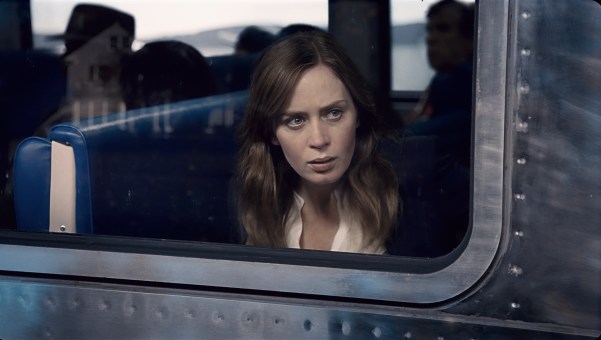
A film so desperately trying to be Gone Girl that it practically borrowed its entire marketing campaign, The Girl on the Train fails to elevate the airport novel material the way the film it is trying to emulate did masterfully, but that’s mainly because Tate Taylor is no David Fincher. The lead performances by Emily Blunt and Haley Bennett may be fantastic but they don’t save a movie with a mystery so unfulfilling it barely holds the runtime and an attitude towards its male characters that presumes writing them as thin and abusive somehow makes the female cast seem empowered. This could have been good in the hands of an appropriate director, but as is it’s barely even passable.
the-girl-on-the-train-1

  1. The Secret Life of Pets

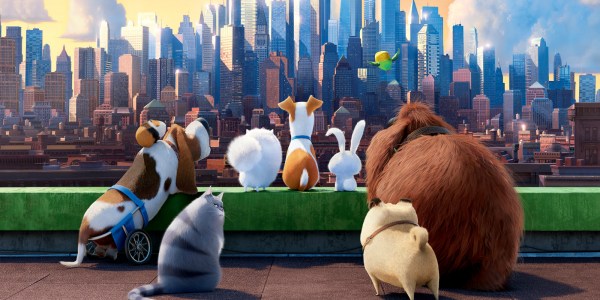
Illumination Entertainment’s output is the epitome of harmless but uncreative animated films, and no film of theirs has felt quite as mechanical as The Secret Life of Pets. Stealing everything about its premise and story from Toy Story but forgetting the heart and characters that make that film timeless, the movie could have been just 90 minutes of the characters bouncing up and down shouting catchphrases at each other and most of the kids in the audience wouldn’t care. There is a potentially good movie crying to get out at points, but the film takes absolutely no risks and makes the easy choice every single time, resulting in a film that technically does nothing wrong but doesn’t do anything to stand out either.
secret-life-pets-review

  1. The Boss

The Boss is yet another example of why Paul Feig is the only director who knows how to handle Melissa McCarthy, because when left to her own devices she makes sh*t like this. Though Kristen Bell and her do share an interesting comedic chemistry, McCarthy’s vulgar ramblings and her constant need to make horrible characters seem likable is a shtick that only worked once in The Heat and barely even then. Director/husband Ben Falcone just doesn’t know when to rein it in and potentially funny scenes flounder in a series of improvs and expletives until the predictable plot ushers the cast along to the next scene. Not unwatchable, but easily skippable.

the_boss_2016_7756397

  1. Now You See Me 2

Now You See Me was a silly but entertaining movie until it totally ruined itself with a twist ending that came out of nowhere and made absolutely no sense. Now that the cat is out of the bag, you’d think Now You See Me 2 couldn’t possibly top that stupidity but it somehow lowers the bar even further. Whilst wisely focusing on the Horsemen this time instead of Mark Ruffalo’s FBI bumbling, the magic this time around makes the same mistake the first film did of explaining the obvious whilst completely ignoring the real questions. Woody Harrelson grates nerves in a dual role as his original character’s twin brother, Michael Caine continues to look bored as he waits for his paycheck, and though Daniel Radcliffe’s casting as the villain is inspired and he’s clearly trying he just can’t make this material sound good. Why does this movie even exist?

maxresdefault

  1. Zoolander 2

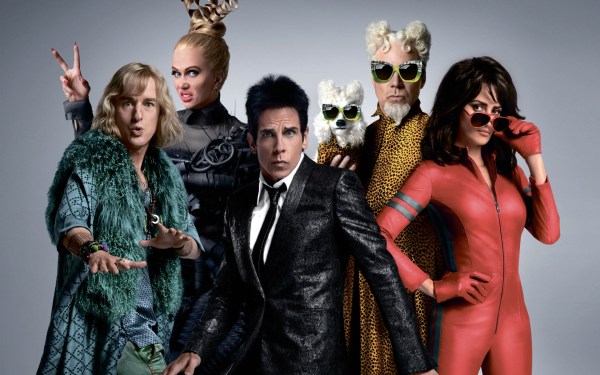
The first Zoolander is still a beloved film but one very much a product of its time. Making a sequel fifteen years later, let alone a sequel to a comedy, is just a plain bad idea. Whilst Zoolander does have the occasional shade of brilliance that made the first film such a zany and enjoyable experience, most of it is made up of retreads of the original’s gags and poor satire of the modern fashion industry. The plot is nonsensical and stupid even by Zoolander standards, culminating in a climax that relies way too much on the unreal elements of the original and essentially turns into a sequel to Mystery Men for about five minutes.
zoolander-2-movie-2016

  1. Dirty Grandpa

Dirty Grandpa is not the horrific eyesore to cinema many critics are exclaiming it as, but it’s certainly a bad, bad movie. Zac Efron and Robert De Niro try their best and get in the occasional laugh, but the mound of unfunny, disgusting gags and horrendous side characters they have to wade through make certain sequences of this film practically unbearable to watch. The humour is forced and juvenile, constantly confusing shocking with funny, before rushing to a ridiculous and unearned sentimental climax that sends out every bad message it possibly can. If you have a stomach for sick, twisted humour and aren’t easily offended, I can actually weirdly support elements of this film, but as a whole it just fails to come together because it simply doesn’t have a point.

1200

  1. Alice Through the Looking Glass

Tim Burton’s Alice in Wonderland already missed the point of Lewis Caroll’s work entirely six years ago, and now its sequel goes even further down the rabbit hole of who-gives-a-sh*t with this pointless and ugly sequel. Abandoning the novels in favour of some bizarre time travel story that only clutters the world instead of celebrating it, Alice Through the Looking Glass is disrespectful to its source material in a way even Burton couldn’t bring himself to do and makes that first film look wonderful by comparison. The fact this stands as the late Alan Rickman’s final film is sad, especially since he’s barely even in it, but at least its failure at the box office means we won’t be seeing another one of these three years too late to be relevant.

ALICE THROUGH THE LOOKING GLASS

  1. Independence Day: Resurgence

The original Independence Day isn’t a good movie by any real artistic standard, but it was a dumb-fun Hollywood blockbuster that still stands as a pop culture landmark of the 1990s and cemented Roland Emmerich’s dubious place in film history. If nothing else, it at least felt like everyone involved really wanted to be there, and I can’t even say that of Independence Day: Resurgence. A monumental example of too little too late, this bore of a sequel squanders all the potentially cool ideas sitting right in front of it and instead opts for a retread of the first movie with bigger effects and less charisma. Not even Jeff Goldblum could save this turd from bottoming out within minutes of starting, and that’s long before the scene where Liam Hemsworth pisses on a spaceship whilst giving aliens the finger. Will Smith, you dodged a f*cking bullet!

independenceday

  1. Inferno

The Da Vinci Code and Angels & Demons were pretty disposable fare even when they came out, but Dan Brown’s relevance as an author was already gone when the novel of Inferno was released and its film adaptation somehow manages to make its predecessors look like masterpieces. With Ron Howard seemingly directing on autopilot, the film’s ridiculous plot limps through scene after scene of Tom Hanks explaining art history to Felicity Jones, occasionally broken up by lazy action sequences before reaching a second act twist that is somehow both incredibly obvious and yet bafflingly stupid. Inferno may not be the worst film of 2016, but it’s certainly the biggest waste of talent this year…until I saw another film later on this list with a certain creed-ence.

download-film-inferno-2016

  1. 13 Hours: The Secret Soldiers of Benghazi

Michael Bay takes time out of ruining Transformers for everyone by tackling yet another jingoistic explosion-heavy action film, but this time adds an uncomfortable layer of real-world politics by making it about Benghazi. Once the action starts, it never lets up and from there it is pretty much just two solid hours of explosions and gunfire that quickly becomes numbing to the eyes; I was pretty much glazed over for most of its frustratingly engorged runtime. Mr. Bay, I get that you love your country and its military in particular, but adding your overzealous flair to a real-life tragedy that still remains a tricky subject in your government doesn’t make you look like a patriot. It makes you look like an idiot.

13_hours_the_secret_soldiers_of_benghazi_2016_11244260

  1. The Forest

What’s worse than a bad J-horror film? An American horror film failing to imitate a J-horror film! One of two films in 2016 set in the Aokigahara Forest (the other being Gus Van Sant’s Sea of Trees, which I have not seen but is apparently no better), a Japanese forest known for being a popular suicide site, this predictable and dull attempt at trying to ape the unnerving style of Japanese horror films never gets beyond school girls with long obscuring hair on the list of clichés. Wasting a fantastic real-world setting for a chilling story by using every trope in the book, The Forest is as lazy and cheap as any of the dumping ground January horror films shoved out every year. Natalie Dormer tries her best to deal with the stodgy material, but even her talents can’t help a movie that probably would have sucked even more if she wasn’t there.

  1. (The Brothers) Grimsby

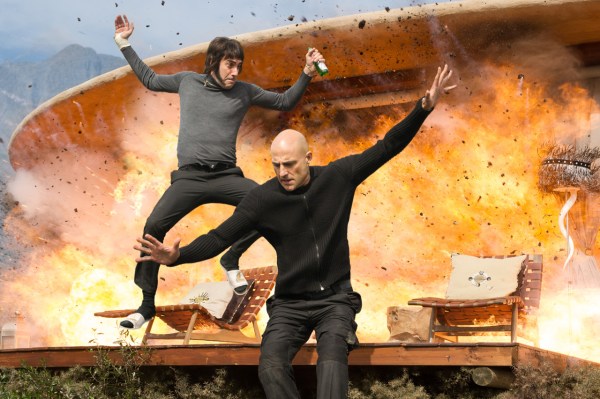
The entire point of Sacha Baron Cohen’s humour is that he’s trying to offend you. I get that, and it worked as great satire in Borat. But sometimes he takes it too far and Grimsby is a movie that is pretty much nothing but taking it too far, and when it’s not doing that it’s just undercooked and unfunny. I will given Cohen props for having the guts to go this insane, but none of the big jokes pay off as good satire or even a good joke; it’s just brash insensitivity with no real point behind it. Action veteran Louis Letterier doesn’t have the slightest clue how to direct comedy, but then even the action is generic and poorly staged, with the only decent sequence playing like the deleted scraps of Hardcore Henry. It ultimately feels like a more juvenile version of recent spy comedies like Spy or Kingsman, especially the latter when it pulls a message about the class system out of its arse for the third act, which is especially baffling as it spent the last hour degrading and laughing at the lower classes. Grimsby is only bearable because of its shockingly short running time, but even that just reeks of the studio cutting this film down to a bare minimum in an attempt to cut their losses.
brothers-grimsby

  1. The Divergent Series: Allegiant

There’s not much more I can say about Allegiant that I haven’t already said about Divergent or Insurgent, but I can say this: it is easily the worst of them all. It’s yet more generic, boring YA nonsense trying so hard to make a point about the world but with all the understanding of a high schooler; the cinematic equivalent of the drama student sketches on Saturday Night Live, but without any of the jokes. It’s boring, it’s hackneyed, and it’s a waste of time for all the actors on screen and anyone watching it. The only good thing to come out of this movie is that it’s so bad that we might not even get the final movie, hopefully finally putting the death nail on splitting one book into multiple movies. Now can Shaileene Woodley please go back to making good movies?

the-divergent-series-allegiant-2016-after-credits-hq

  1. Assassin’s Creed

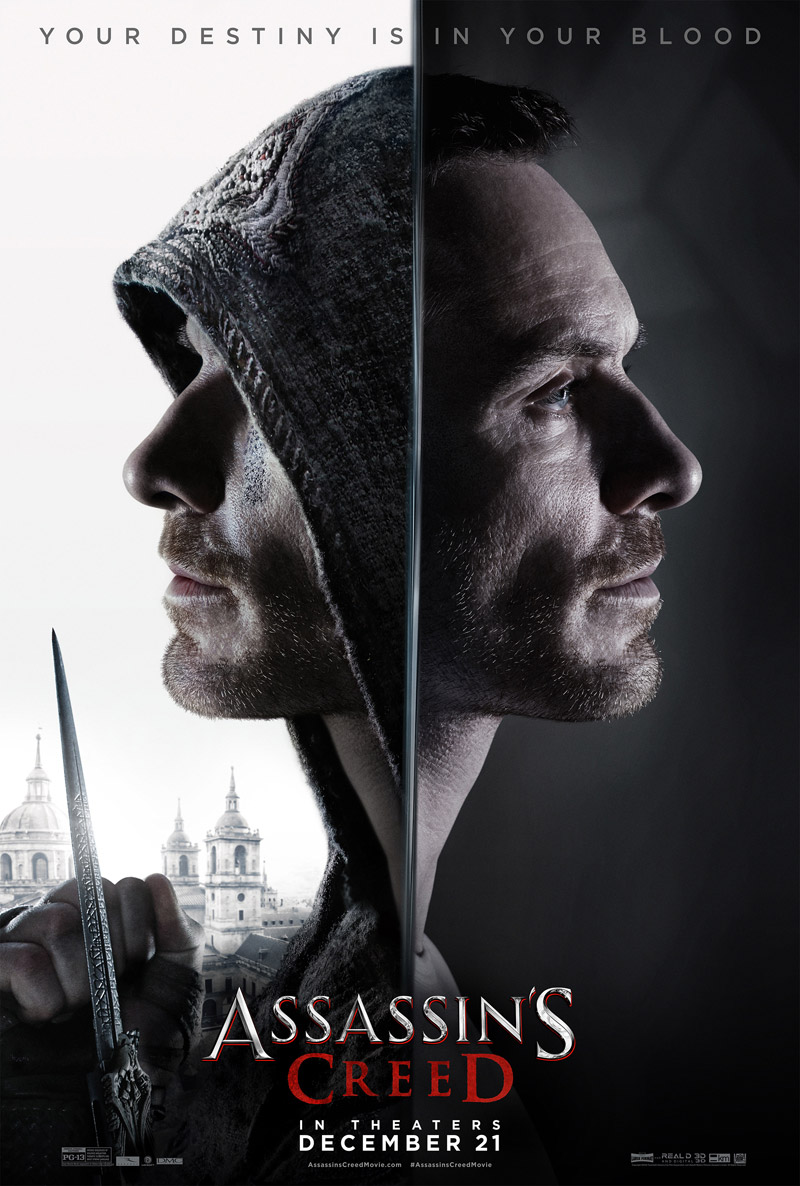
The video game movie curse has still yet to be broken, but Assassin’s Creed has certainly taken one record for the genre: it’s easily the most boring. Making every wrong decision it could possibly take in adapting the franchise to screen, this dull and joyless slog focuses on the modern day aspect of the series (i.e., the worst part of every Assassin’s Creed game) instead of the high-flying action of the assassins, but it even manages to mess that part up. Michael Fassbender delivers a bland and uninvolved dual performance (which is odd, considering he’s also a producer on the movie) and is surrounded by an equally excellent but totally wasted cast and a talented director in Justin Kurzel who clearly doesn’t know what the hell he’s doing. A great video game movie will be made one day, but Assassin’s Creed is far from it.

assassins-creed-gallery-03-gallery-image

  1. The Huntsman: Winter’s War

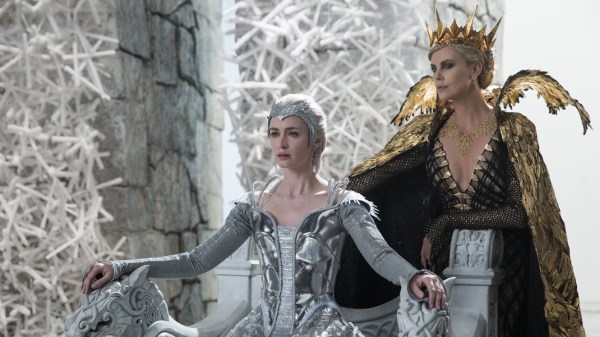
Probably this year’s biggest example of a sequel nobody wanted, The Huntsman: Winter’s War is the laziest blockbuster I’ve seen in a long time. It has a principal cast worthy of an Oscar-calibre picture and wastes them on paper-thin characters and a dull plot that tries to be an edgy take on Frozen but fails miserably. I can understand Chris Hemsworth and Charlize Theron being here, they were probably forced to by some contract, but what on earth compelled Emily Blunt and Jessica Chastain to jump into this mess with them? If it weren’t for the above-average effects and production design, this would practically feel at home with all sorts of horrible direct-to-video sequels that clutter up DVD shelves across the globe. It’s so bad, I bet Kristen Stewart and Rupert Sanders are glad they sabotaged themselves out of being a part of it.
the-hunstsman-winter-war-di-1

  1. Kids in Love

I hate to pick on the little guy especially given that this film barely got a release, but crap is crap and I’m not one to forgive a film just because it can’t play with the big boys. Kids in Love is the cinematic embodiment of the entitled millennial, spouting hackneyed wisdom like it’s the first person to think of it and encouraging a culture of lazy, well-off twenty-somethings to fart about accomplishing nothing because they need to “find themselves”. It says nothing about today’s youth culture you couldn’t establish by just looking at it and wastes time with music montages that feel less like a snapshot of this generation and instead is like yet another disposable ad campaign for some fashion line. Screw this movie and screw everything it stands for!

kidsinlovetrailer

  1. Gods of Egypt

I don’t think any film this year was a bigger disaster on every conceivable level than Gods of Egypt, but even all the anti-hype surrounding it did not prepare me for how utterly awful an experience it was going to be. I checked my watch at the exact moment I knew this was going to be one of the worst films of the year. I was three minutes in. To a movie that is over two hours long. Oh yeah! That bad. What then follows is one of the most baffling attempts at franchise building I have ever witnessed, copying every single Hollywood blockbuster cliché and getting every single one of them spectacularly wrong. Ignoring the whitewashing, the actors are woefully miscast on every other level, either giving parts to actors way out of their league like Gerard Butler and Brenton Thwaites, or handing talented ones like Chadwick Boseman and Geoffrey Rush horrendous material and expecting them to make gold out of it. Sad to say, but they don’t. The fact that Lionsgate expected this to be their next big franchise after The Hunger Games is hilarious pathetic, and frankly Alex Proyas’ words to the critics of the world after its failure only sealed the deal for me.

gods-of-egypt

  1. London Has Fallen

I was for the longest time going to give the top dishonour to Gods of Egypt, but on further thought it was only the worst because of how incompetent it is. This is my most despised list, and so it really should go to the film I hated watching the most, and that easily goes to London Has Fallen. The original Olympus Has Fallen was itself an idiotic and facile action movie that somehow financially succeeded with a premise White House Down honestly did so much better, but this sequel goes from being awful to outright offensive. This movie isn’t just a mindless action flick where Gerard Butler takes down the bad guys. This is paranoia fuel for every wrong-headed, reactionary, conspiracy-waving loon that now seemingly takes up more and more of the world’s population. This is a film that kills every world leader expect America’s and destroys the majority of a major city and treats it with all the impact of another car explosion. This is a film that perpetuates every stereotype it can to make the bad guys look like villains and the good guys look heroic when honestly they are just as despicable as each other. In other words, this movie sums up every bad aspect about 2016 in 100 minutes of horrible filmmaking, and I want that time back. And yet…we’re getting a third one. [Extremely long and anguished groan] That’s my list. Goodbye, folks.

gerard-butler-and-aaron-eckhart-in-olympus-has-fallen

SPLIT – a review by JJ Heaton

Starring: James McAvoy (X-Men: Apocalypse), Anya Taylor-Joy (The Witch), Betty Buckley (The Happening), Haley Lu Richardson (The Edge of Seventeen), Jessica Sula (Skins)

Writer/Director: M. Night Shyamalan (The Sixth Sense)

Runtime: 1 hour 57 minutes

Release Date: 20 January (US, UK)

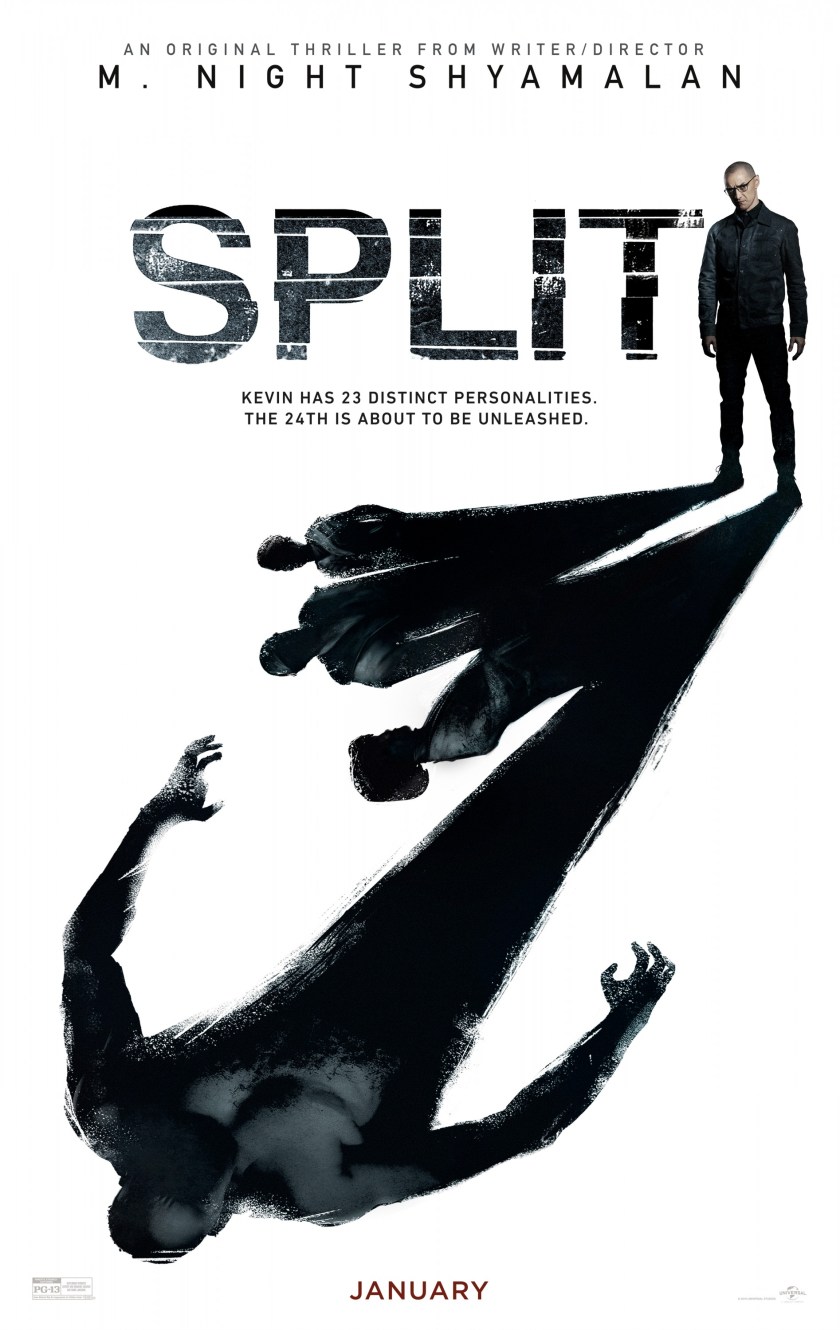
Movies that are heavy on twists are incredibly hard to talk about, and Split has several doozies that I’d rather not spoil. However, it’s equally hard to sell how great this movie is without doing so, so please take my word for it that Split is not only M. Night Shyamalan’s best movie in seventeen years but is also one of the best high-concept horror/ thrillers of the decade, and so I’ll try to tread very carefully in this review around a minefield of spoilers.

split_poster-2

Like all great suspense movies, Split has a deceivingly simple premise that gradually grows and grows as the story progresses. What simply starts as three girls held captive by a madman gradually evolves into something far bigger than a simple escape thriller. The unpredictability of Kevin (McAvoy) and his fragmented identities constantly keeps the audience on their toes, his shifting moods meaning the difference between safety and danger for these teens. The film does jump around between several plotlines including flashbacks to the childhood of Casey (Taylor-Joy) and psychologist Dr. Fletcher (Buckley) dealing with Kevin’s case, which in the moment feel unnecessary but as the film progresses they prove to be anything but; still, there might have been a better way to weave them in without stopping the main plot in its tracks. There are a lot of moments like that in Split where it tests your willingness to stick with it, especially in the third act when it really starts to go off the rails, but you are rewarded for your patience with a final note that completely annuls every inconsistency and bizarre moment up until that point. The film reminded me a lot of 10 Cloverfield Lane in how it handled its climax but, whereas that film’s ending ultimately cut off the legs of an otherwise excellent picture, this one pays off because it fits more naturally into what came before and actually answers questions rather than raising them. I can’t say much more, but I will say that if you are a fan of Shyamalan’s early work then you are going to love Split.

Every actor wants a chance to show off his or her range in a single movie, and James McAvoy gets the Valhalla of chances to do so in Split. Every single personality inside Kevin’s head is made completely distinct through the way McAvoy adjusts his accent, cadence, posture, body language, etc. At certain points, you don’t even need the costume changes to recognise which identity is in control, but at other times you are unsure as to whether one of his more innocent personalities is in control or one of his darker ones is simply imitating them, and that’s what ultimately makes him so terrifying. It instantly ranks up there with McAvoy’s best performances and sets a new bar to cross for actors tasked with playing multiple characters; Tatiana Maslany, you’ve got some new competition. But Kevin doesn’t steal the entire movie for his twenty-four selves, because Anya Taylor-Joy as Casey holds her own against him every step of the way. One of the best final girls in horror since You’re Next, Taylor-Joy continues to prove herself as a great new talent in a role that could have easily felt generic and weak. Those flashback may be intrusive but they give enormous depth to the character that would have left her flat otherwise, and the greater amount of tension to the situation they provide gives the film another whole layer to dissect. It’s a pity that Haley Lu Richardson and Jessica Sula aren’t afforded anywhere near that amount of character, but ultimately the film isn’t really about them; they serve their purpose and they do so exceptionally for the most part. Betty Buckley, best remembered as the crazy old lady from The Happening (“You eyein’ my lemon drink?”), rounds out the cast well as Kevin’s psychologist who helps provide much of the context that hints at the greater context of the piece. Suddenly, she seems far less off-key now that she’s not playing opposite a befuddled Mark Wahlberg.

Shyamalan’s recent directing has been known for its odd quirks and fumbles, but here he has finally again grasped the art of filmmaking and has crafted one hell of a slick thriller. The movie looks haunting and grimy thanks to the excellent work of It Follows cinematographer Mike Gioulakis, evoking a similar haunting sense of dread in that picture but with Shyamalan’s own penchant for off-kilter shots. The main set is minimal but full of detail and character; so much can be extrapolated about Kevin’s personalities from just analysing the decorations. West Dylan Thordson’s is minimal but adds to the uneasy tension of the piece, and by the film’s climax it all perfectly coalesces with Shyamalan’s familiar classic style. If you’ve seen the movie, you might know what I’m talking about there.

The Visit was Shyamalan’s stepping-stone back to the light side, but with Split he has now fully reaffirmed he is back in business. This is a truly unique movie that reminds you why filmgoers fell in love with the director all those years ago: high concept ideas achieved through simple but effective filmmaking and a fine attention to theme and suspense. The performances by McAvoy and Taylor-Joy alone would have made this film worth watching, but those last few minutes skyrocket this movie from good to pretty damn awesome. If you aren’t as into Shyamalan’s films even before his legendary bad streak, you may not be convinced. But if you have even the slightest fond memories of his early work, no matter how much his lesser works have burned you in the past, you owe it to yourself to watch Split.

FINAL VERDICT: 8.5/10

ASSASSIN’S CREED – a review by JJ Heaton

Starring: Michael Fassbender (X-Men: Apocalypse), Marion Cotillard (Inception), Jeremy Irons (Batman v Superman: Dawn of Justice), Brendan Gleeson (The Guard), Michael K. Williams (Triple 9), Ariane Labed (The Lobster), Charlotte Rampling (45 Years)

Director: Justin Kurzel (Macbeth)

Writers: Michael Lesslie (Macbeth) and Adam Cooper & Bill Collage (Exodus: Gods and Kings)

Runtime: 1 hour 55 minutes

Release Date: 21 December (US), 1 January (UK)

The Assassin’s Creed video game franchise has certainly waned in recent years after countless sequels and spin-offs have run the formula dry, but the core concept remains fun and amongst the numerous entries are some of the landmark titles of the past ten years. Ubisoft let the franchise rest this year, but have instead gone ahead and thrown their hat into the film ring with a cinematic interpretation on the ongoing battle between the Assassins and the Templars. Now video games movies are still as taboo today as they’ve always been, but with the developers heavily involved and some great film talent guiding it, this should be the one to break the curse, right? The short answer: no. The long answer follows…

asscreedposter

Assassin’s Creed makes a wise move by not directly adapting any of the games and instead tells a new side-story set within the canon of the franchise, with a few small but appreciated nods to the series’ past. It still follows the basic structure of the games (man forced to work for Templars, goes back into memories of ancestor, does a bunch of random quests to further plot and find Piece of Eden), but at least it can forge its own path and not have to cram ten hours of gameplay into a fifth of that experience. Unfortunately, what they’ve decided to focus on is every bad part of the game: the modern day story. A sizable majority of the film is spent in a cold research facility, and even when we are thrown into the assassin story during the Spanish Inquisition it still cuts back to the present constantly. Both plotlines are dull and underdeveloped, especially the past story because we are constantly thrown into it at random intervals with no indication of how much time has passed and what’s happened in between sequences; it’s like watching a bunch of random missions from the game with no context.

The film’s biggest crime, however, is that it’s dull. The games aren’t exactly action-packed thrill rides jam-packed with explosions and one-liners, but they have a sense of humour and revelled in the fun of being an assassin just as much as all the political intrigue and shadowy machinations. Here, any sense of joy has been sucked out and we are left with a cold, unappealing and po-faced slog that takes itself way too seriously. There are clearly even lines of dialogue that are meant to be witty but they are played completely straight; it’s almost like the director doesn’t understand the concept of humour. The pacing constantly drags as the movie weighs you down with painful scenes of characters prattling on about morality and control and power, and even when the action does kick it is all too brief and the cycle begins again. There are the occasional sparks of an interesting story underneath all the clutter, one that might have been entertaining if it actually played to the strengths of the game, but none of that is taken advantage of. By the halfway mark I was bored, and when the sequel-tease ending finally arrived I felt like I was being set free.

The protagonists of Assassin’s Creed can vary wildly in likability, with some endearing stars like Ezio or Edward but then there are some absolutely bland ones like Altair and Connor. The movie easily falls into the latter camp and Michael Fassbender is equally unappealing as both present-day captive Callum Lynch and Spanish assassin Aguilar. Lynch is given basically no personality, his backstory is barely touched upon, and his motivations fluctuate wildly throughout the movie due to a complete lack of clear character development; the man pretty much changes his allegiances on a dime. Fassbender’s performance does nothing to make the character stand out, his characterisation basically beginning and ending at a Christian Bale growl, and then there’s the bizarre scene where he starts wailing out Patsy Cline’s “Crazy” as he’s being dragged into the Animus. No, seriously, that’s a scene in the movie. He honestly makes original series protagonist Desmond Miles look positively fascinating by comparison. But at least Lynch has a vaguely discernable story and the skeleton of an arc, because Aguilar is pretty much a blank slate. We are told nothing about his past, he has no real motivation beyond his commitment to the creed, and there is no real resolution to what could barely be described his “story”. All he’s really there to do is engage in action sequences, but it’s hard to get invested when I don’t care about him or the dude experiencing these memories.

The supporting cast is a fantastic assemblage of talent on paper, but they are all given bland and underdeveloped characters to play so nobody comes out looking good. Marion Cotillard probably gets the most interesting role to play as a morally conflicted Templar scientist who doesn’t necessarily agree with all her order’s plans, but everything interesting about her just seems like it’s being saved for a sequel and Cotillard’s cold performances nixes any of the potential intrigue. Jeremy Irons does nothing but blather on about the beliefs of the Templars, Michael K. Williams is wasted as one of several other assassins held in the facility in another poorly developed subplot, Charlotte Rampling is completely pointless as the head of the Templars, and both Brendan Gleeson and Essie Davis are essentially extended cameos as Lynch’s parents. The only vaguely interesting character is Ariane Labed as Aguilar’s assassin buddy Maria, and that’s only because she looks cool and is I think the only character that smiles in the movie.

Justin Kurzel showed he could deliver on spectacle in his adaptation of Macbeth, and whilst there are some impressive moments in the all-too-brief action sequences in Assassin’s Creed they are hampered by numerous other problems. The cinematography is suitably cold and haunting in the present day sequences, but in the past it becomes overdone and jittery. There’s a lot of odd pans and shaky zooms, which completely doesn’t suit the acrobatic style of action the film has on display, obscuring what is clearly some impressive parkour and stunt work. The clumsy editing also ruins the immersion, constantly interrupting the flow of the action to cut back to the present so we can watch scientists watch Fassbender swatting around at air. Barring the film’s overdone reimagining of the Animus, the design of the sets, props and costumes is probably its only saving grace, perfectly capturing the aesthetic style of the games perfectly, but again it never takes advantage of it. One of the joys of the games was exploring a historic city and marvelling at the scale of it. Here, there’s never a moment that really lets you soak in the historic environments. Like everything else in the movie, the joy has been removed entirely.

Assassin’s Creed had everything it needed to be a great movie and makes every wrong decision it can. Not since Josh Trank’s Fantastic Four has so much promise been wasted on idiotic mistake after idiotic mistake. It takes a fascinating premise and makes it dull, it takes great actors and gives them nothing to work with, it takes thrilling action and makes it incomprehensible, and it takes a promising director like Kurzel and makes him look like an incompetent idiot. Say what you will about Warcraft, but it at least showed a passion for the material that this movie seems too afraid to even have. Most bad video games movies at least have the distinction of being hilariously bad. You can watch something like Street Fighter or Super Mario Bros. and laugh at their ineptitude. Assassin’s Creed is far too boring and lifeless to do that with. If Ubisoft thinks this is good enough to start thinking about doing more adaptations of their properties, then they are basically just throwing their money away.

FINAL VERDICT: 3/10